
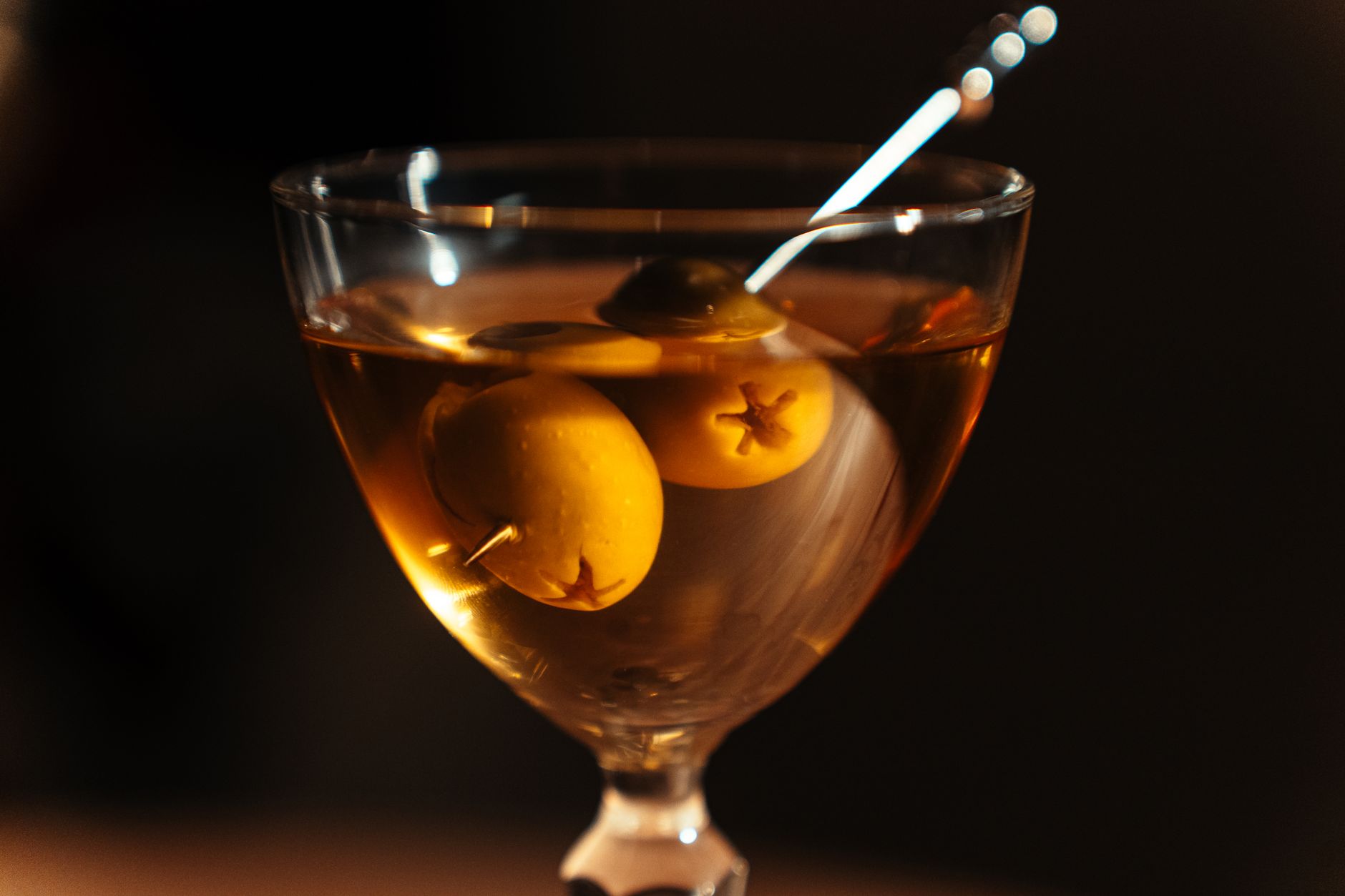
Dubonnet is a sweet, aromatized fortified wine that adds depth and character to cocktails and culinary creations. Originating in France in the mid-19th century, it features a blend of wine, herbs, and spices that create its distinctive flavor profile. Understanding Dubonnet’s ingredients, flavor nuances, and serving methods can enhance your cocktail-making and your appreciation for this unique wine.
Whether you are curious about using Dubonnet in cocktails or simply want to know more about this intriguing ingredient, this guide provides a comprehensive look at Dubonnet’s characteristics, how to incorporate it into your drinks and meals, and tips for enjoying it to the fullest.
What Is Dubonnet?
Dubonnet is a type of fortified wine that combines red or white wine with a blend of herbs, spices, and sometimes sweeteners. The primary base wine in Dubonnet is often a high-quality, neutral-charged wine, allowing the added flavors from the botanicals to shine through. It was originally designed to make the consumption of tonic and medicinal herbs more palatable.
Created by Joseph Dubonnet in 1846, the drink gained popularity not only for its unique flavor but also for its purported health benefits, serving as an aperitif in upscale dining. Today, it is primarily known for its versatility in cocktails and can be enjoyed on its own or in mixed drinks.
Ingredients of Dubonnet
The ingredients in Dubonnet can vary by brand, but generally include the following:
- Wine: The base of Dubonnet, typically a blend of red or white wine, which serves as the foundation of the flavor.
- Herbs and Spices: Dubonnet is infused with a variety of botanicals that may include gentian, quinine, cardamom, and various aromatic herbs. Each brand has its secret recipe, contributing to the diverse flavor profile.
- Sweeteners: Sugar or other sweeteners balance the bitterness of the herbs. This sweetness enhances the drink’s appeal as an aperitif.
- Fortifying Agents: Often, grape spirits or brandy is added to increase alcohol content, giving Dubonnet its fortified character.
Flavor Profile of Dubonnet
Dubonnet has a rich and complex flavor profile characterized by:
- Sweetness: The sugar content gives it a sweet, syrupy flavor, which varies between brands.
- Bitter Notes: Herbal bitterness from ingredients like gentian and quinine adds depth and balance to the sweetness.
- Aromatic Complexity: The variety of spices results in a bouquet of aromas that can range from fruity and floral to earthy and herbal.
- Body: Dubonnet typically has a medium to full body, making it a robust addition to cocktails.
This combination of sweetness and bitterness makes Dubonnet a versatile mixer, able to shine in a variety of cocktails while also being enjoyable on its own, served chilled or over ice.
How to Serve Dubonnet
Dubonnet can be served in various ways, depending on personal preference and the context of the occasion. Here are some popular serving suggestions:
On Its Own
Dubonnet can be served chilled over ice, garnished with a lemon twist or slice. This method highlights its unique flavors and is perfect for a refreshing aperitif.
Cocktail Mix
Dubonnet shines brightly as a cocktail ingredient. Here are a few classic cocktails that utilize Dubonnet:
- Dubonnet Cocktail: A classic mix of Dubonnet and gin, garnished with a lemon twist. This ratio typically is 2 parts Dubonnet to 1 part gin.
- Black Velvet: A simple combination of Dubonnet and stout beer creates a rich and complex drink. Pair proportions to your taste preference, starting with equal parts of each.
- Dubonnet & Tonic: A refreshing combination of Dubonnet with tonic water over ice garnished with a slice of lime or lemon.
Practical Tips for Using Dubonnet
When incorporating Dubonnet into your cocktails or meals, consider the following tips:
- Balance: Given its sweetness, be cautious of the proportions when mixing cocktails; add balancing ingredients like citrus or bitters to achieve harmony.
- Experiment: Don’t be afraid to try Dubonnet in unexpected cocktail combinations or as a flavoring agent in sauces and marinades.
- Storage: Store open bottles of Dubonnet in the fridge to maintain their freshness. Ideally consume within a few months after opening.
Common Mistakes When Working with Dubonnet
Here are some common pitfalls and how to avoid them:
- Overdoing Sweetness: Using too much Dubonnet can lead to overly sweet drinks. Start with smaller amounts and adjust to taste.
- Narrowing Mixers: Pairing Dubonnet solely with other sweet mixers can overwhelm its complexity. Incorporate herbal or bitter elements to contrast its flavor.
- Ignoring Temperature: Serving Dubonnet at incorrect temperatures can mask its flavors. Serve it chilled or over ice to enrich your experience.
Incorporating Dubonnet in Cooking
Dubonnet can also be a unique ingredient in various culinary applications, enhancing sauces, marinades, and even desserts. Here are some ideas:
Marinades and Glazes
Use Dubonnet as a base for marinades or glazes, especially for meats like duck or pork. Its sweetness and aromatic qualities pair wonderfully with roasted flavors. A basic marinade can include:
- 1 cup Dubonnet
- ¼ cup soy sauce
- 2 tablespoons Dijon mustard
- 1 tablespoon minced garlic
Let your protein marinate for at least an hour before cooking for enhanced flavor.
Sauces
Dabble in using Dubonnet in sauces, particularly to deglaze a pan after searing meats. The wine helps lift flavorful bits stuck to the pan, adding depth to the sauce.
Desserts
Dubonnet can find its way into desserts as well. Consider adding a splash to fruit compotes or sorbets for a delightful aromatic touch. Pair it with seasonal fruits like berries for a simple and elegant dessert option.
Conclusion
Dubonnet is a versatile ingredient that brings unique flavor and depth to both cocktails and culinary dishes. Its blend of sweetness and bitterness makes it ideal for enhancing and balancing various recipes. Whether you’re enjoying it on its own or incorporating it into your drinks or cooking, understanding Dubonnet can elevate your gastronomic experience.
Explore related recipes or food guides to expand your culinary repertoire. Check out our guides on pilsner styles or take a look at a Black Manhattan recipe for some exciting cocktails to try.