
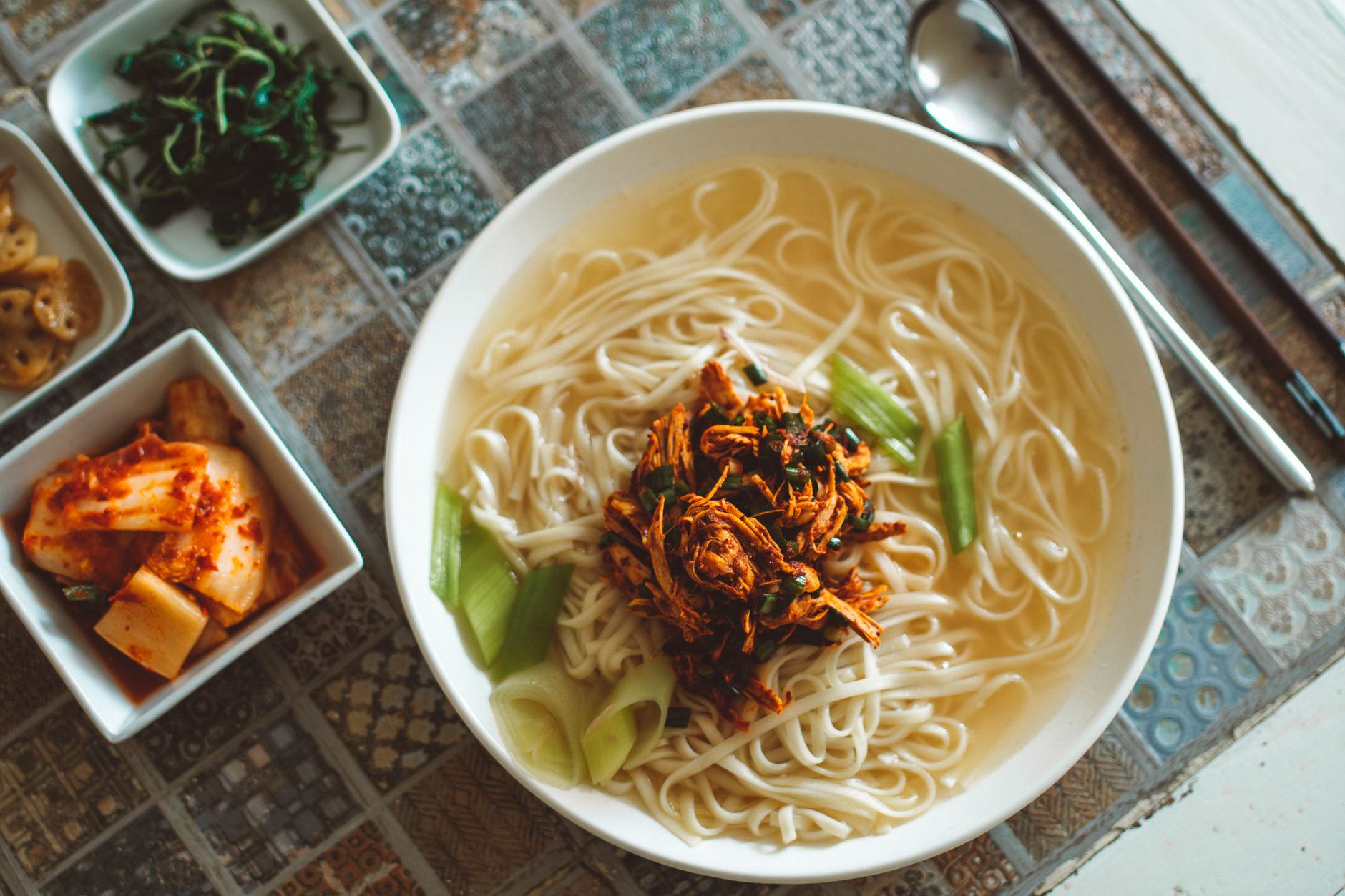
Comfort food is a term that evokes feelings of nostalgia, warmth, and satisfaction. It often consists of dishes that remind us of home, family, and cherished memories, providing emotional solace during tough times. While comfort food can vary widely among cultures and individuals, it often includes hearty, satisfying dishes that are simple to prepare.
This comprehensive guide will explore the concept of comfort food, its common characteristics, regional variations, and how it plays a role in our lives. From creamy mac and cheese to hearty stews, understanding what constitutes comfort food can enhance your culinary repertoire and offer a source of solace in challenging times.
What Is Considered Comfort Food?
Comfort food refers to dishes that provide a sense of well-being, often tied to personal history or cultural heritage. Typically rich in flavor and often high in carbohydrates and fats, these meals aim to provide emotional satisfaction and warmth, which makes them stand out among other culinary experiences.
Key Characteristics of Comfort Food
- Familiar Flavors: Comfort food often consists of flavors that are widely recognized and enjoyed, evoking a sense of nostalgia.
- Simple Preparation: Many comfort foods are straightforward to make, emphasizing ease over sophistication.
- Hearty Ingredients: These dishes usually include ingredients that are filling and satisfying, such as pasta, potatoes, or bread.
- Rich and Lush Textures: Creamy, chewy, or crispy textures tend to enhance the comfort food experience.
- Home-Cooked Quality: Often made from scratch or lovingly prepared, these dishes remind us of home and familial connections.
Popular Examples of Comfort Food
Comfort food can vary greatly depending on cultural backgrounds and personal preferences. Here are some classic examples from different regions:
North American Comfort Foods
- Macaroni and Cheese: A creamy, cheesy pasta dish that is both filling and indulgent.
- Meatloaf: Ground meat combined with seasonings and baked into a loaf, often served with mashed potatoes.
- Chicken Noodle Soup: A warm broth-based soup with chicken, vegetables, and noodles that provides comfort during sick days.
European Comfort Foods
- Shepherd’s Pie: A hearty dish with meat and vegetables under a layer of mashed potatoes, baked until golden.
- Risotto: An Italian rice dish cooked slowly with broth until creamy, often enhanced with cheese or vegetables.
- Goulash: A rich stew made with meat, vegetables, and spices, popular in Central European countries.
Asian Comfort Foods
- Ramen: A flavorful broth with noodles, meat, and vegetables, loved for its warmth and depth.
- Fried Rice: Rice stir-fried with various ingredients, making it versatile and satisfying.
- Congee: A warm rice porridge often served for breakfast, easily customizable with toppings.
The Role of Comfort Food in Our Lives
Comfort food serves more than just culinary purposes; it can significantly impact mental and emotional well-being. During stressful times or significant life changes, comfort food often offers a grounding effect.
Coping Mechanism
Many people turn to comfort food as a way to cope with stress, anxiety, or sadness. The act of preparing or consuming these dishes can provide a sense of control and normalcy. It can also serve as a bonding experience when shared with friends or family during emotional times.
Cultural Significance
Comfort food often holds cultural significance, representing family traditions and rituals. In many cultures, specific dishes are prepared during holidays, family gatherings, or significant life events. These foods become a part of a person’s identity and heritage, helping foster connections with one’s roots.
Seasonal and Situational Changes
Seasonal changes can influence our cravings for comfort food. Warm, hearty dishes are often favored in colder months, while lighter, fresher variations might emerge in summer. Additionally, specific life events, such as weddings, birthdays, or losses, may trigger a desire for particular comfort foods associated with those moments.
Cooking Comfort Food: Techniques and Tips
Cooking comfort food does not have to be complicated. Many dishes utilize simple techniques that yield warm, satisfying results. Here are some key cooking methods and tips to guide you in creating your favorite comfort foods.
Classic Cooking Techniques
- Baking: Many comfort foods, such as casseroles and pies, benefit from the even heat that baking provides, allowing flavors to meld and create rich textures.
- Simmering: Dishes like soups and stews develop their flavors slowly through simmering, creating a depth in taste.
- Frying: Frying techniques can create crispy textures that add dimension to comfort foods, such as fried chicken or onion rings.
- Roasting: Roasting vegetables or meats allows for caramelization, enhancing their natural sugars and flavors.
Essential Equipment for Preparing Comfort Food
- Large Pot or Dutch Oven: Ideal for soups, stews, and casseroles.
- Baking Dish: A sturdy dish is necessary for baking pies, casseroles, and other oven-based comfort foods.
- Mixing Bowls: Handy for combining ingredients—especially for batters, doughs, or salads.
- Measuring Tools: Accurate measurements ensure consistency in your recipes.
Common Ingredients in Comfort Food
- Carbohydrates: Pasta, rice, potatoes, and bread are staples in many comfort food dishes.
- Rich Proteins: Chicken, beef, and pork are commonly used, often featuring prominently in comforting meals.
- Cheese: Whether melted over pasta or stuffed into dishes, cheese adds richness and flavor.
- Seasonal Vegetables: Vegetables can bring depth and nutrition while also enhancing flavors.
Regional Variations of Comfort Food
Comfort food varies significantly across the globe, reflecting local ingredients, cultural history, and culinary traditions. Here are a few examples of unique comfort foods from different regions:
Southern Comfort Food
Southern culinary traditions emphasize hearty flavors and communal meals. Common examples include:
- Gumbo: A thick stew made with meat, seafood, and vegetables, often served over rice.
- Biscuits and Gravy: Fluffy biscuits smothered in creamy sausage gravy, perfect for breakfast or brunch.
- Fried Chicken: A classic dish, crispy on the outside and juicy on the inside, often served with sides like collard greens or macaroni and cheese.
Italian Comfort Food
Italian cuisine often celebrates rich, hearty dishes that use seasonal ingredients. Some popular comfort foods include:
- Lasagna: Layers of pasta, meat sauce, and cheese make for a filling, cheesy meal.
- Polenta: A versatile cornmeal dish that can be served creamy or firmer, often topped with hearty sauces.
- Pasta Fagioli: A comforting mix of pasta and beans simmered in a flavorful broth.
Asian Comfort Food
In Asia, comfort food often encompasses rice-based dishes and soothing broths. Some examples include:
- Kimchi Jjigae: A flavorful Korean stew made with kimchi, tofu, and sometimes pork, warming and full of probiotics.
- Chashu Ramen: A bowl of ramen noodles topped with braised pork, seaweed, and an egg in a rich, savory broth.
- Thai Curry: Creamy coconut milk-based curries loaded with vegetables, served with jasmine rice.
Making Comfort Food Healthier
While comfort food often leans toward indulgence, it is possible to create healthier versions without sacrificing flavor. Here are some tips to achieve this balance:
Ingredient Substitutions
- Whole Grains: Replace white pasta or rice with whole grain or legume-based options to increase fiber intake.
- Lower-Fat Dairy: Use low-fat milk or yogurt instead of heavy cream or whole milk in recipes.
- Vegetable Additions: Incorporate more vegetables into your meals to add nutrients and volume without many calories.
Cooking Methods
- Steaming: Steaming vegetables instead of frying can preserve nutrients while reducing added fats.
- Grilling or Baking: These methods can enhance the flavor of proteins while minimizing additional fats.
- Using Herbs and Spices: Flavor dishes with herbs and spices rather than relying on salt or excess fats.
Serving and Enjoying Comfort Food
Presentation may not be a priority for comfort food, but serving it thoughtfully can add to the experience. Here are some serving tips:
Setting the Mood
Creating a warm atmosphere can enhance the enjoyment of comfort food. Consider lighting candles, playing soft music, or dining with family to foster connection.
Portion Sizes
Comfort food is meant to be filling, but be mindful of portion sizes. Bulking out meals with vegetables or smaller side dishes can help maintain satisfaction without overindulgence.
Storage and Reheating of Comfort Food
Many types of comfort food can be made in advance and stored for easy reheating. Proper storage techniques can ensure freshness and enhance flavors:
Storage Techniques
- Cool leftovers quickly to room temperature before placing them in airtight containers.
- Label containers with the date for easy tracking of freshness.
- Store soups and stews in separate portions to make reheating easier.
Reheating Tips
- Reheat soups and stews on the stovetop over medium heat, stirring often, until bubbling.
- Oven-bake casseroles until heated through and bubbly, usually around 20-30 minutes at 350°F (175°C).
- Microwave smaller portions but ensure even heating by stirring occasionally.
Embracing Comfort Food
Adding comfort food into your meal rotation can offer emotional reassurance and satisfaction. Consider how these meals play a role in creating memories and connections.
To explore recipes that can warm your heart and nurture your spirit, check out comforting choices like Southern classics or modern twists on traditional dishes. Whether you find solace in a bowl of creamy pasta or a warm soup, comfort food is about the flavors and the feelings they evoke.
If you’re looking for specific recipes, be sure to explore comfort food recipes or dive into the rich world of Southern comfort food.