
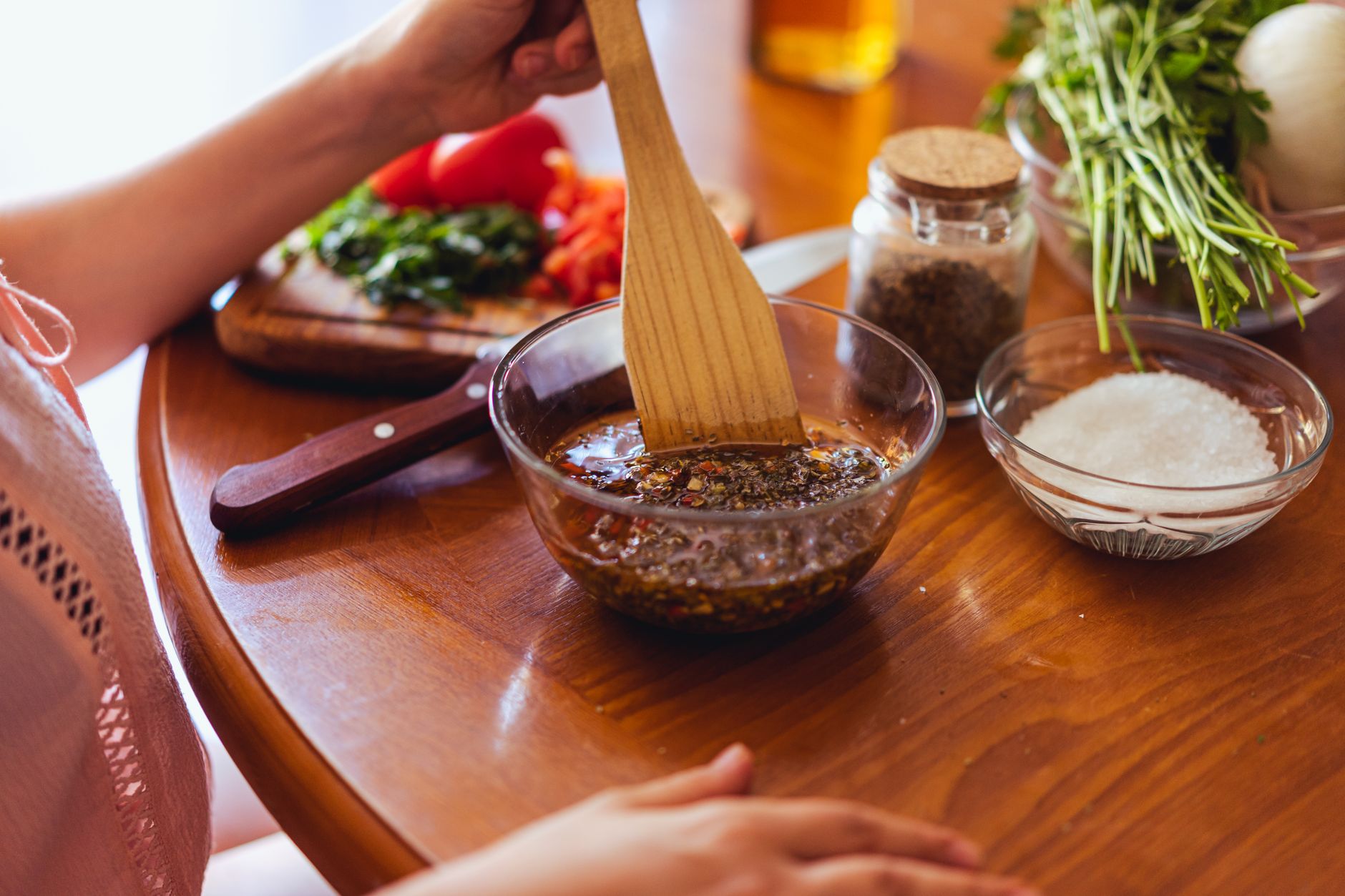
Chimichurri is a vibrant, herby sauce from Argentina that has captured the hearts of culinary enthusiasts worldwide. Primarily used with grilled meats, its unique flavor profile makes it versatile enough to be paired with various dishes, transforming simple meals into extraordinary feasts.
This article explores what chimichurri is, its key ingredients, flavors, and the best ways to serve it, ensuring you can enjoy this delicious sauce in multiple culinary contexts.
What Is Chimichurri?
Chimichurri is a green sauce originating from Argentina, traditionally used as a condiment for grilled meats. Its base is a mix of fresh herbs, vinegar, oil, garlic, and spices, leading to a flavor that is balanced, fresh, and slightly tangy.
While there are variations—such as using parsley or oregano as a primary herb—chimichurri consistently delivers a refreshing zest that enhances the natural flavors of grilled dishes.
The Ingredients of Chimichurri
The core ingredients of chimichurri typically include:
- Parsley: The primary herb used for its fresh, vibrant taste.
- Garlic: Adds depth and an aromatic quality.
- Olive oil: Acts as the base and carrier of flavors.
- Vinegar: Usually red wine vinegar, providing acidity.
- Salt and Pepper: Enhances flavor and seasoning.
- Optional herbs and spices: Ingredients such as oregano, red pepper flakes, or lemon juice to tweak the flavor profile.
Common Variations
While the above list represents a classic chimichurri, variations abound:
- Chimichurri Rojo: A red version that includes tomatoes or red peppers.
- Herb Substitutions: You can use cilantro, basil, or mint in place of parsley for a different flavor experience.
- Spicing It Up: Adding cayenne or jalapeños for heat is a common adaptation.
The Flavor Profile of Chimichurri
Chimichurri is known for its refreshing burst of flavors. Here’s what to expect from its taste:
- Herbaceous: The fresh parsley provides a grassy, earthy tone.
- Aromatic: Garlic infuses a strong aroma and depth of flavor.
- Tangy: The vinegar offers a sharp, zesty punch.
- Rich and Fruity: The olive oil adds richness with a hint of sweetness.
- Spicy: Optional pepper flakes can introduce mild heat.
This balanced combination of herbaceous, tangy, and savory notes makes chimichurri an irresistible addition to many meals, enhancing flavors rather than overpowering them.
How to Serve Chimichurri
Chimichurri shines as a condiment, but its uses extend beyond just grilled meats. Here are some ways to serve it:
Grilled Meats
The traditional use of chimichurri is with grilled meats, particularly steak. Its bright flavors cut through the richness of the meat. It can be served:
- As a marinade before grilling.
- As a dipping sauce on the side.
- Drizzled over slices of meat after cooking.
Vegetables
Chimichurri makes an excellent topping for roasted or grilled vegetables. The sauce enhances the natural sweetness of vegetables like bell peppers, zucchini, and eggplant.
Seafood
Fish and seafood are also great with chimichurri. A drizzle on grilled shrimp or fish elevates the dish, adding a citrusy brightness. Try it with:
- Grilled salmon.
- Shrimp skewers.
In Salads
Use chimichurri as a salad dressing to add an extra layer of flavor. Combining it with greens, tomatoes, and cucumbers can create a refreshing salad.
In Wraps and Sandwiches
Chimichurri can also be used as a spread in wraps and sandwiches. It pairs beautifully with grilled chicken or roasted vegetables for a quick and flavorful meal.
How to Make Chimichurri
Making chimichurri is straightforward. Here’s a simple recipe you can follow:
Yield and Timing
- Servings: Approximately 1 cup.
- Preparation Time: 15 minutes.
- Total Time: 15 minutes.
Ingredients
- 1 cup fresh parsley, finely chopped
- 4 cloves garlic, minced
- ½ cup extra virgin olive oil
- ¼ cup red wine vinegar
- 1 teaspoon salt
- ½ teaspoon black pepper
- 1 teaspoon red pepper flakes (optional)
Essential Equipment
- Chef’s knife
- Cutting board
- Mixing bowl
- Whisk or spoon for mixing
- Container for storing
Method
- Finely chop the parsley and place it in a mixing bowl.
- Add the minced garlic, olive oil, vinegar, salt, and pepper to the bowl.
- If you wish to add heat, include the red pepper flakes.
- Mix all the ingredients thoroughly with a whisk or spoon.
- Taste and adjust seasoning or acidity to your liking.
- Transfer to a container and allow resting for at least 30 minutes to let the flavors meld.
Common Mistakes and Troubleshooting
When making chimichurri, there are a few mistakes to avoid:
- Over-chopping: Finely chopping herbs releases oils but can make the sauce overly bitter. Aim for a rough chop.
- Using stale ingredients: Fresh herbs and high-quality olive oil are crucial for flavor. Stale oil can impart an unpleasant taste.
- Not resting: Allow the chimichurri to rest before serving, as this enhances flavor integration.
Storage and Shelf Life
Chimichurri can be stored in an airtight container in the refrigerator:
- Refrigerator: Up to one week.
- Freezer: Up to three months. Consider freezing in ice cube trays for easy portioning.
Variations and Substitutions
Feel free to adjust the traditional chimichurri recipe according to your taste or availability of ingredients:
- Fresh Herbs: Replace parsley with cilantro or a mix of basil for a different taste.
- Acidity: Experiment with lemon juice instead of vinegar for a distinct flavor.
- Oil: While olive oil is standard, avocado oil works as an alternative for a unique twist.
Final Thoughts
Chimichurri is a robust and versatile sauce that can elevate any meal with its refreshing flavor and aroma. Its simplicity in preparation coupled with a wealth of tasting notes makes it a valuable addition to your culinary repertoire. Explore serving chimichurri with everything from grilled meats to sandwiches and salads, experiencing its transformative flavor in various dishes.
To further enhance your culinary adventures, check out our cilantro-based chimichurri recipe or discover the nuances in an authentic chimichurri recipe. Enjoy exploring flavors and mastering this iconic sauce!