
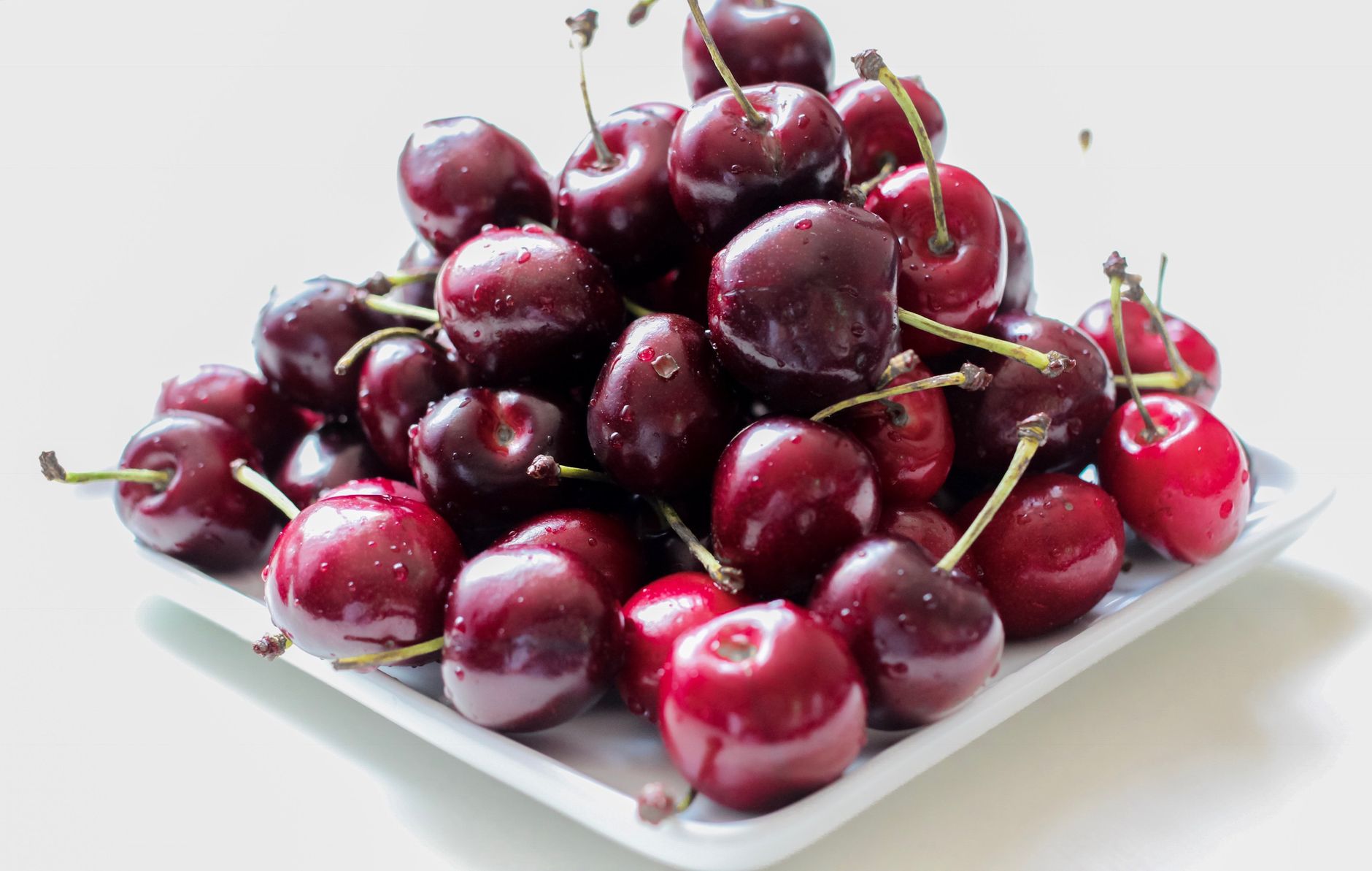
Cherries are not only delicious but also packed with essential nutrients and health benefits. Known for their vibrant color and sweet-tart flavor, these small fruits can be enjoyed in various ways—from fresh snacking to baking or even in beverages. Understanding what cherries are good for can help you incorporate them into your diet more effectively.
In this article, we will explore the nutritional profile of cherries, their potential health benefits, culinary uses, and tips on how to select, store, and prepare them. Whether you’re a cherry lover or just starting to explore this delightful fruit, you’ll find ample information to help you enjoy cherries in a healthy and flavorful way.
What Is Cherries Good For?
Cherries are good for a variety of reasons, notably their nutritional value and health benefits. They are rich in vitamins A and C, antioxidants, and phytonutrients, which contribute to better overall health. Their anti-inflammatory properties are also beneficial, particularly for muscle recovery and reducing the risk of chronic diseases.
Nutritional Overview of Cherries
To appreciate the health benefits of cherries, it’s essential first to examine their nutritional profile. A serving of sweet cherries (about 1 cup, or 154 grams) typically contains:
- Calories: 97
- Carbohydrates: 25 grams
- Fiber: 3 grams
- Sugars: 20 grams
- Protein: 2 grams
- Fat: 0.3 grams
- Vitamin C: 18% of the Recommended Daily Value (DV)
- Vitamin A: 3% of the DV
- Potassium: 8% of the DV
- Magnesium: 2% of the DV
- Antioxidants: Including anthocyanins and quercetin
Vitamins and Minerals
Cherries are an excellent source of vitamin C, which supports the immune system, helps with collagen production, and acts as an antioxidant. The potassium in cherries aids in maintaining healthy blood pressure levels, while magnesium is essential for muscle function and energy production.
Antioxidants
The vibrant red color of cherries comes from antioxidants, particularly anthocyanins. These compounds help protect the body from oxidative stress, inflammation, and potential chronic diseases such as heart disease and cancer.
Health Benefits of Cherries
With their impressive nutritional profile, cherries offer a range of health benefits. Below are some notable benefits supported by research.
1. Anti-Inflammatory Properties
Cherries, especially tart varieties, are known for their anti-inflammatory properties. The antioxidants, particularly anthocyanins, help reduce inflammation, which can be beneficial for conditions like arthritis and gout.
2. Enhanced Sleep Quality
Cherries are one of the few natural sources of melatonin, a hormone that regulates sleep-wake cycles. Consuming cherries or cherry juice before bedtime may improve sleep quality and help with insomnia.
3. Muscle Recovery
A study indicated that cherry juice can aid post-exercise muscle recovery due to its anti-inflammatory effects. Athletes often use cherry juice to reduce muscle soreness and inflammation after workouts.
4. Heart Health
The flavonoids in cherries may improve heart health by reducing cholesterol levels, lowering blood pressure, and decreasing the risk of heart disease. Regular cherry consumption is linked to better vascular health.
5. Weight Management
Low in calories yet high in fiber, cherries can be a great snack for those looking to maintain or lose weight. The fiber helps promote a feeling of fullness, which can prevent overeating.
6. Blood Sugar Control
Research suggests that cherries may help regulate blood sugar levels. Their antioxidant properties may improve insulin sensitivity and lower glucose levels, making them a good choice for those with diabetes.
Culinary Uses of Cherries
Cherries are incredibly versatile in the kitchen. Here are some popular culinary uses for this delightful fruit.
Fresh Consumption
Cherries can be enjoyed fresh as a nutritious snack or added to salads for a burst of flavor. Simply wash them thoroughly and remove the pits before consuming.
Baking
Cherries are commonly used in baking. They can be incorporated into pies, tarts, or cobblers. Their natural sweetness complements both sweet and savory baked goods. You can find cherries in popular recipes such as:
- Cherry Pie
- Cherry Clafoutis
- Cherry Muffins
- Cherry Galette
Preserves and Jams
Cherries can be made into delicious preserves or jams, which capture their flavor and can be used as a spread or ingredient in various dishes. Making a cherry compote is an excellent way to enjoy their taste year-round.
Juicing and Smoothies
Cherry juice is a popular drink, especially tart cherry juice, known for its health benefits. You can also add fresh cherries to smoothies for a nutritious boost.
Cocktails and Beverages
Cherries are a favorite garnish in cocktails, adding both flavor and a pop of color. They can be muddled into cocktails, or used as a garnish for drinks such as the classic Manhattan or whiskey sour.
How to Select and Store Cherries
Choosing the right cherries and knowing how to store them can significantly impact their flavor and longevity. Here’s how to do it.
Selecting Cherries
- Look for firm, plump cherries with vibrant colors. Avoid any that are bruised or have blemishes.
- Check for stems; fresh cherries should have green stems. Dried or brown stems indicate aging.
- Consider the type: sweet cherries for snacking and tart cherries for cooking or baking.
Storing Cherries
To keep cherries fresh:
- Refrigerate cherries as soon as you bring them home. Place them in a perforated plastic bag to allow for airflow.
- Do not wash cherries until you are ready to eat them, as moisture can promote spoilage.
- Use cherries within 3 to 7 days for optimal freshness.
Practical Tips for Cooking with Cherries
When incorporating cherries into your dishes, here are some practical tips to maximize their flavor and benefits.
Preparing Cherries
Before adding cherries to recipes, you’ll need to pit them. A cherry pitter is an excellent tool for efficiently removing the pits. If you don’t have one, you can use a sharp knife to cut the cherries in half and remove the pit manually.
Flavor Pairings
Cherries pair well with a variety of flavors:
- Citrus fruits like lemon and orange enhance their sweetness.
- Herbs such as mint and basil offer refreshing contrasts.
- Spices like cinnamon and nutmeg complement their natural flavors in desserts.
- Cheeses, particularly goat cheese and Brie, create a delightful combination in salads.
Cooking Techniques
Cherries can be enjoyed raw or cooked. When baking, you might want to macerate them with sugar to enhance their flavor before adding them to pastries. Sautéing or poaching cherries can also create a delicious sauce for meats or desserts.
Common Mistakes When Cooking with Cherries
Here are some common pitfalls to avoid when working with cherries:
- Overcooking: Cherries can become too soft if cooked for too long. Monitor them closely to retain their texture.
- Using underripe cherries: While tart cherries are delicious for cooking, using unripe sweet cherries can lead to overly sour dishes.
- Not removing pits: Always pit cherries before adding them to recipes unless they are specifically meant to be served whole, like in some cocktails.
Conclusion
Cherries are a nutritious and versatile fruit that can elevate your meals and snacks. Their rich flavor combined with impressive health benefits makes them an excellent addition to your diet. By understanding cherry selection, preparation, and culinary uses, you can make the most of this delightful fruit.
Consider trying your hand at making homemade cherry preserves or incorporating cherries into your favorite dishes. Explore our recipes for delicious cherry compote and cherry bounce to bring more of this fantastic fruit into your kitchen.
If you’re interested in enhancing your cherry culinary experience, check out our delicious cherry compote recipe or try a unique twist with our cherry bounce recipe.