
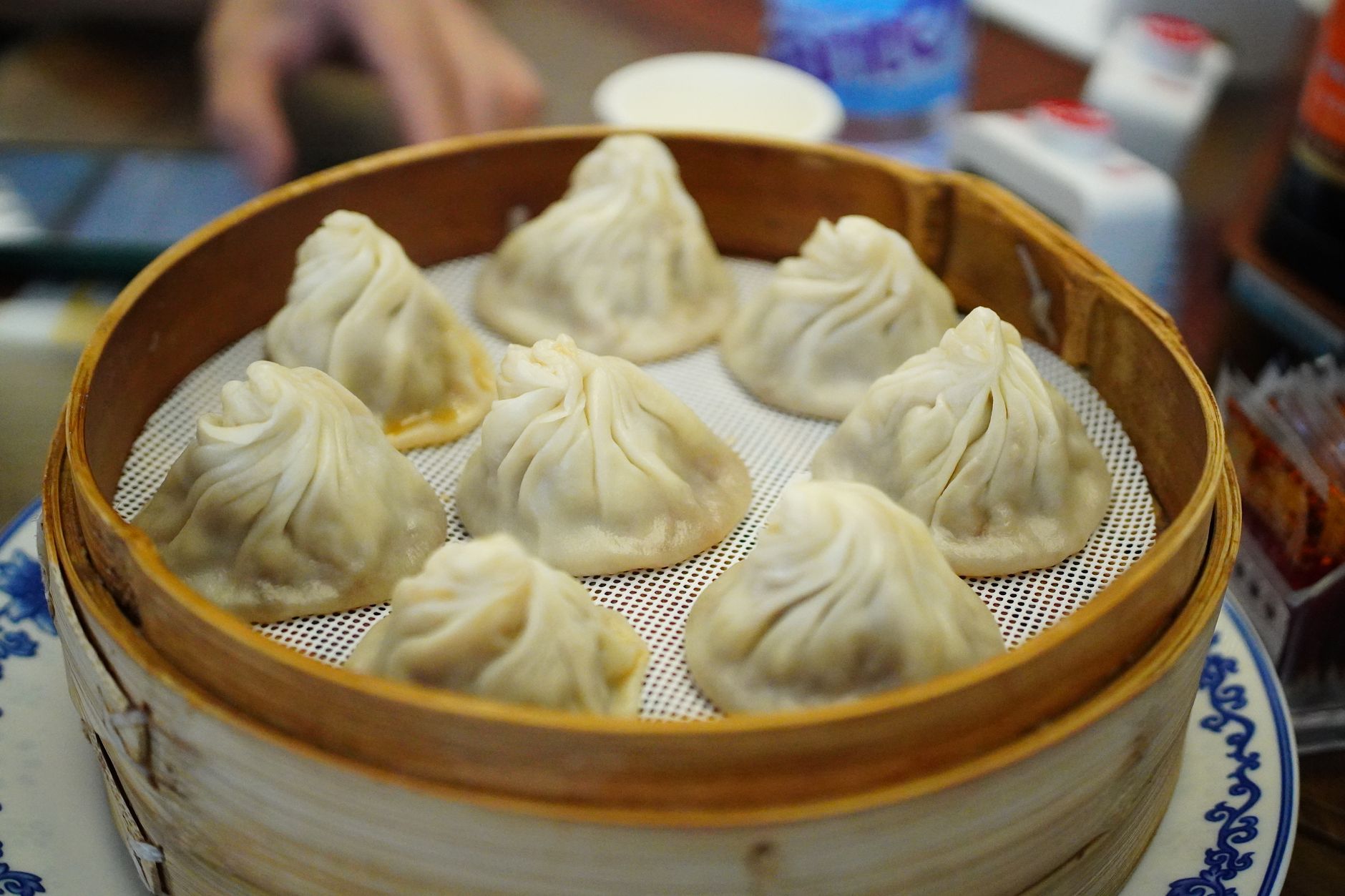
Soup dumplings are a type of Chinese dumpling famous for their delicate wrappers filled with flavorful broth and meat. Known as “xiao long bao” in Mandarin, these dumplings have become popular worldwide for their unique preparation and delightful taste. In this article, we’ll explore the origins, preparation techniques, and various aspects surrounding this delicious dish.
Whether you’re a fan of this tender treat or simply curious about its history, understanding what soup dumplings are called and how they are made can deepen your appreciation for this culinary delight.
What Are Soup Dumplings Called?
The term “soup dumplings” typically refers to xiao long bao in Mandarin. The name translates to “small basket buns” because they are traditionally steamed in small bamboo baskets. In different regions and cuisines, these dumplings may have alternative names, but “xiao long bao” remains the most recognized worldwide.
The Origins of Soup Dumplings
Soup dumplings have their roots in Jiangsu province, particularly in the city of Suzhou. They were said to have been created in the late 19th century as a variation of traditional steamed buns. Making their way to Shanghai, these dumplings quickly gained popularity and evolved into the version known today.
Over the years, soup dumplings have spread beyond China, becoming a beloved dish in Taiwanese cuisine and among Asian communities worldwide. Their unique technique of encapsulating soup within a delicate dough has captured the culinary imagination of many.
How Soup Dumplings Are Made
Making soup dumplings requires a specific set of ingredients and techniques that contribute to their unique taste and texture. Understanding the key components will help you appreciate these little treasures even more.
Key Ingredients
- Dumpling dough: Typically made from flour, water, and sometimes eggs. The dough must be rolled thin to create a delicate wrapper that can hold the soup.
- Filling: A combination of ground meat, usually pork, along with seasonings like ginger, garlic, and soy sauce. The key to the filling is the broth.
- Gelatin: To create the soup inside the dumplings, a broth is simmered and then cooled to form gelatin. This gelatin melts when steamed, creating the signature soup dumpling experience.
Essential Equipment
- Mixing bowl
- Rolling pin
- Bamboo steamer or a steamer pot
- Silicone mat or parchment paper for rolling out dough
- Sharp knife or dough cutter
Step-by-Step Method
- Prepare the broth: Simmer pork bones, aromatics, and seasonings for several hours. Strain the liquid and return it to the pot. Add gelatin and let it cool until set.
- Make the dough: Mix flour with enough water until it forms a smooth dough. Knead for several minutes, then let it rest, covered, for about 30 minutes.
- Prepare the filling: Combine ground pork with seasonings in a bowl. Once the gelatinous broth has set, chop it into small pieces and mix with the ground pork.
- Roll out the dough: Divide the dough into small portions, roll them into balls, and flatten each one into thin circles around 3 inches in diameter.
- Fill the dumplings: Place about one tablespoon of filling in the center of each wrapper. Carefully pleat the edges to seal the dumplings, ensuring no filling escapes.
- Steam the dumplings: Arrange the dumplings in a bamboo steamer lined with parchment paper. Steam over boiling water for about 8-10 minutes or until cooked through.
- Serve: Carefully remove the dumplings from the steamer, and serve them hot with a dipping sauce of your choice.
Flavor and Texture Profile
The culinary charm of soup dumplings lies in their combination of flavors and textures. The skin is thin, soft, and slightly chewy, while the filling is savory, bursting with the rich taste of meat and broth. As you take a bite, the piping hot soup flows out, creating a delightful contrast to the solid filling.
Common Mistakes and Troubleshooting
Making soup dumplings can be challenging, especially for beginners. Here are some common mistakes and how to avoid or fix them:
- Wrappers too thick: If the dough is rolled out too thickly, the dumplings may become dense instead of delicate. Ensure you roll the dough as thin as possible.
- Poor sealing: If the dumplings are not sealed tightly, the filling may leak during steaming. Practice your pleating technique to ensure a good seal.
- Dumplings breaking during cooking: If your dumplings are bursting, the filling may be too watery. Ensure that your broth is gelatinous, or you can blend it with a bit of cornstarch for stability.
Variations and Modern Takes
While traditional xiao long bao is typically filled with pork, various regional variations can be found. These may include:
- Crab and pork: A mixture of crab meat and pork adds a sweet, oceanic flavor.
- Vegetarian: Some versions use mushrooms, tofu, or finely chopped vegetables, combined with plant-based broth for a vegan option.
- Spicy: Adding chili oil or Sichuan peppercorns brings heat to the classic filling.
Serving Suggestions and Dipping Sauce
Soup dumplings are typically served with a simple dipping sauce made from soy sauce, vinegar, and sometimes ginger. This sauce enhances the flavor of the dumplings without overwhelming their delicate taste. To make a dipping sauce:
- Combine 3 tablespoons of soy sauce with 1 tablespoon of rice vinegar.
- Add freshly grated ginger or sliced scallions for added flavor.
The art of consuming soup dumplings is to provide the perfect balance between enjoying the dumpling and not spilling the precious broth. It’s common to use a spoon to catch any escaping soup while you take a bite.
Storage and Reheating
Soup dumplings are best enjoyed fresh, but if you have leftovers, they can be stored in the fridge for up to two days. Here are some guidelines:
- Storage: Keep them in an airtight container to maintain freshness.
- Reheating: Steam the dumplings for about 5-7 minutes until heated through, or microwave them with a small cup of water to create steam.
Where to Find Soup Dumplings
Over the years, soup dumplings have proliferated across Asia and beyond. Major cities now feature dedicated dumpling restaurants, often specializing in these beloved treats. When searching for a good place to enjoy soup dumplings, check for establishments that focus on hand-made dumplings or specialize in regional Chinese cuisine.
Making Soup Dumplings at Home
If you’re excited to try making soup dumplings at home, start with purchasing quality ingredients. Fresh pork, a good-quality broth, and proper utensils can have a huge impact on the final dish. While making soup dumplings can seem daunting, breaking it down into manageable steps will make the process enjoyable.
Joining culinary classes or following online tutorials can further enhance your technique. Practice will gradually yield beautiful xiao long bao filled with savory broth that impresses family and friends.
Conclusion
Sooner or later, everyone discovers the joy of soup dumplings, also known as xiao long bao. Their unique combination of rich filling and warm broth wrapped in delicate dough makes them a popular choice for many. By learning about their history, preparation methods, and variations, you can appreciate these delightful dumplings on a deeper level.
Ready to try your hand at making dumplings? Start by planning your ingredients and gathering the necessary equipment. You might also find useful recipes for dipping sauces and chicken and dumplings on our site.