
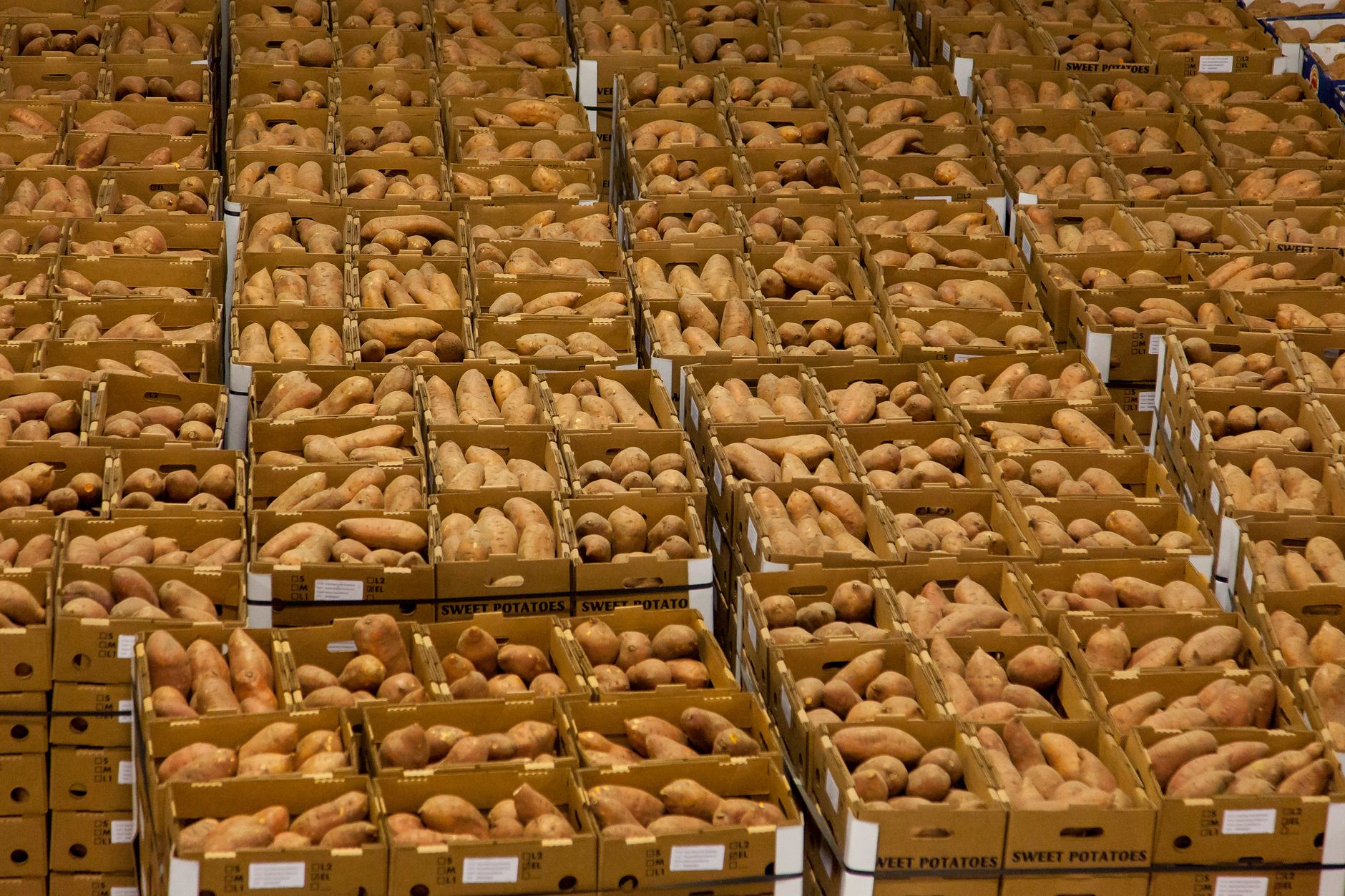
Sweet potatoes are nutritious, versatile, and delicious, making them a favorite ingredient in many households. However, buying too many can lead to wastage if you can’t finish them before they spoil. The good news is that you can freeze sweet potatoes, preserving their flavor and nutrients for later use. This article will guide you through the process of freezing and thawing sweet potatoes efficiently.
In this comprehensive guide, we will explore the best methods for freezing sweet potatoes, debunk some common freezing myths, and provide essential tips for successfully thawing and cooking frozen sweet potatoes. Whether you are meal prepping or simply want to reduce food waste, knowing how to freeze sweet potatoes can be extremely beneficial.
Can Sweet Potatoes Be Frozen?
Yes, sweet potatoes can be frozen. However, to maintain their taste and texture, proper preparation and storage methods are essential. Freezing sweet potatoes can be an excellent way to save them for up to a year, provided you follow the right techniques.
Why Freeze Sweet Potatoes?
Freezing sweet potatoes can help you enjoy their natural sweetness and nutritional benefits long after they have been harvested. Here are some notable reasons to freeze sweet potatoes:
- Longer Shelf Life: Freezing preserves sweet potatoes for months, preventing spoilage.
- Convenience: Having frozen sweet potatoes on hand makes meal preparation easier.
- Nutrient Retention: Freezing at the peak ripeness helps retain vitamins and minerals.
Choosing the Right Sweet Potatoes for Freezing
When selecting sweet potatoes for freezing, freshness and quality are paramount. Look for firm, unblemished tubers that are free from soft spots or sprouting. Varieties like orange-fleshed and purple-fleshed sweet potatoes are all suitable for freezing.
Preparing Sweet Potatoes for Freezing
Proper preparation is critical for maintaining the quality of frozen sweet potatoes. Here’s a step-by-step process:
Step 1: Wash and Peel
- Begin by washing the sweet potatoes thoroughly under running water to remove dirt and debris.
- Peel the skin off using a vegetable peeler or a knife, ensuring to remove any blemishes.
Step 2: Cut into Uniform Pieces
Cut the sweet potatoes into uniform sizes. This can help ensure even cooking later on. Depending on your intended use, you can cube them, slice them into fries, or even leave them whole.
Step 3: Blanching Sweet Potatoes
Blanching involves briefly boiling the sweet potatoes before freezing to help preserve color, texture, and flavor. Here’s how to do it:
- Bring a large pot of water to a rolling boil.
- Add the sweet potatoes and let them boil for 3-5 minutes. The exact time will depend on the size of your cuts:
- Small cubes: 3 minutes
- Slices or fries: 4 minutes
- Whole sweet potatoes (small): 5 minutes
- Prepare an ice bath by filling a large bowl with ice and cold water.
- Once the time is up, quickly transfer the sweet potatoes to the ice bath to halt cooking.
- After a few minutes, drain and pat dry.
Step 4: Packaging Sweet Potatoes for Freezing
Once your sweet potatoes are prepared and cooled, it’s time to package them properly for freezing.
- Use freezer-safe bags or airtight containers to prevent freezer burn.
- If using bags, try to remove as much air as possible before sealing. A straw can help suck out excess air.
- Label the bags or containers with the date for easy tracking.
Freezing Techniques
While the above steps provide a solid foundation for freezing sweet potatoes, here are additional tips to maximize quality:
Flash Freezing
For extra protection against freezer burn, consider flash freezing. Spread the prepared sweet potato pieces in a single layer on a baking sheet and place them in the freezer for about 1-2 hours until they are solid. Once frozen, transfer them to your storage bags or containers.
Freezing Whole Sweet Potatoes
If you prefer to freeze whole sweet potatoes, follow these steps:
- Wash, dry, and pierce the sweet potatoes with a fork several times to prevent bursting in the freezer.
- Wrap each potato tightly in plastic wrap or freezer paper.
- Place them in a labeled freezer bag or container.
How Long Can Sweet Potatoes Be Frozen?
When stored properly, frozen sweet potatoes can last for up to 10-12 months. However, for optimal flavor and texture, it’s best to consume them within 6 months.
Thawing and Cooking Frozen Sweet Potatoes
Proper thawing techniques are crucial for maintaining the quality of sweet potatoes. Here are various methods:
Refrigerator Thawing
The safest way to thaw frozen sweet potatoes is in the refrigerator. This process can take several hours or overnight:
- Simply transfer the desired amount from the freezer to the fridge and let them sit until thawed.
- Using this method helps retain the sweet potatoes’ texture.
Quick Thawing Method
If you’re short on time, you can use a quicker thawing method:
- Place the frozen sweet potatoes in a microwave-safe dish and microwave on the defrost setting until thawed.
- Alternatively, submerge sealed bags of sweet potatoes in cold water for 30-60 minutes.
Cooking Frozen Sweet Potatoes
Frozen sweet potatoes can be directly cooked without thawing, making them a convenient option for meals:
- For mashed sweet potatoes, simply add frozen cubes to boiling water or steamed until soft, then mash.
- For roasted sweet potatoes, toss frozen pieces with olive oil and seasonings and roast in the oven at 400°F (200°C) for 25-30 minutes.
- Frozen fries can go straight into the air fryer or oven; follow package instructions if store-bought.
Common Mistakes When Freezing Sweet Potatoes
Avoiding common errors can enhance your freezing success. Here are pitfalls to watch out for:
- Not Blanching: Skipping the blanching step can lead to changes in texture and flavor.
- Overpacking: Do not stuff freezer bags too tightly; leave them enough room to expand.
- Ignoring Storage Time: Check dates regularly to ensure you’re using the oldest first.
Creative Uses for Frozen Sweet Potatoes
Frozen sweet potatoes are a culinary chameleon and can fit into numerous dishes. Consider these uses:
- Mash: Blend with butter, cream, and spices for a flavorful side.
- Soups: Add frozen sweet potato cubes to soups for added creaminess and weight.
- Baking: Incorporate into baked goods like muffins or bread for moisture and sweetness.
- Smoothies: Frozen sweet potato bites can create a creamy base for smoothies.
Conclusion
Freezing sweet potatoes is an effective and practical method to extend their shelf life while maintaining their delicious taste and nutrition. By following the steps outlined in this guide, you can ensure that your sweet potatoes are ready for a variety of meals throughout the year. Keep the essential tips in mind about preparation, blanching, and thawing, and enjoy the benefits they bring to your kitchen.
For those looking to explore further, check out our sweet potato cornbread recipe or try our unique white sweet potato recipe to incorporate these delicious tubers into your meals.