
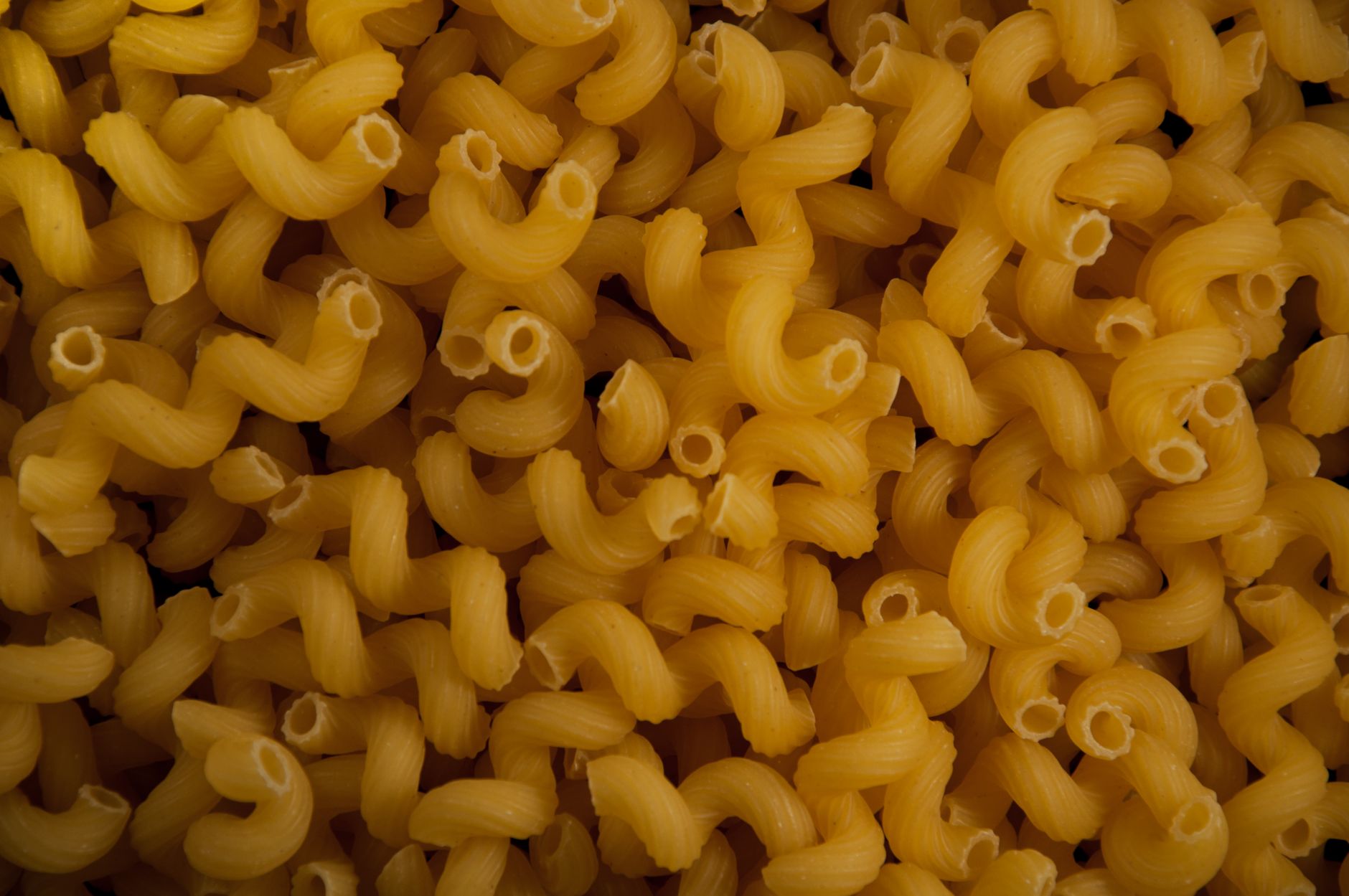
Cavatappi is a unique pasta shape that is often described as a spiral or corkscrew. Known for its hollow, tubular shape and ridges on the outside, this pasta is excellent for holding onto sauces, making it a popular choice in various recipes, from hearty bakes to light salads.
This article delves into the ingredients that make up cavatappi, its distinct flavor and texture, and various ways to serve it, helping you better understand this delightful pasta option.
What Is Cavatappi?
Cavatappi, the Italian word for “corkscrew,” refers to a pasta shape characterized by its spiral and tube-like design. This structure allows it to grasp sauces and ingredients exceptionally well, making it favorable in both baked dishes and pasta salads.
The ridged exterior enhances its ability to hold onto various sauces, ranging from thick and creamy to thin and brothy. This versatility makes cavatappi a staple in many kitchens.
Ingredients of Cavatappi
Cavatappi is typically made from a simple mixture of flour, water, and sometimes eggs. The main ingredient is usually durum wheat semolina, known for its high protein content, which gives the pasta its firm texture.
- Durum Wheat Semolina: This is the primary ingredient in cavatappi, providing the base structure and strength to the pasta.
- Water: Water is essential for hydrating the flour, enabling gluten formation which gives the pasta its chewy texture.
- Eggs (optional): Some recipes for cavatappi may include eggs, enhancing the flavor and richness of the pasta.
When purchasing cavatappi, you will typically find it available in both fresh and dried varieties. Dried cavatappi is more common and has a longer shelf life, making it a practical pantry staple.
Flavor Profile of Cavatappi
The flavor of cavatappi is generally mild, allowing it to pair well with a range of sauces and ingredients. This versatility enables a wide variety of recipes, from robust meat sauces to light, refreshing vegetable dressings.
Due to its durum wheat base, it has a slightly nutty flavor and a firm texture when cooked correctly, providing a satisfying bite in every dish.
How to Cook Cavatappi
Cooking cavatappi is a straightforward process, similar to cooking other types of pasta. Here’s a step-by-step guide on how to prepare cavatappi perfectly.
- Boil Water: In a large pot, bring salted water to a rolling boil. Use about 4-6 quarts of water for every pound of pasta.
- Add Cavatappi: Gently add the cavatappi to the boiling water, stirring to prevent sticking.
- Cook: Follow the package instructions for timing, usually around 7-10 minutes, until the pasta is al dente. Be sure to taste for doneness.
- Drain: Once cooked, drain the cavatappi in a colander. Reserve some pasta water if you plan to make a sauce.
- Serve: Toss with your choice of sauce or add to a salad or bake.
Common Cavatappi Dishes
Cavatappi is incredibly versatile and can be enjoyed in numerous culinary creations. Here are some popular dishes featuring cavatappi:
- Cavatappi Mac and Cheese: A twist on the classic, this dish combines creamy cheese sauce with cavatappi, creating a comforting and flavorful meal.
- Baked Cavatappi: This dish typically features cavatappi layered with various cheeses, meats, and vegetables, baked to perfection for a satisfying main course.
- Cavatappi Salad: Cavatappi tossed with fresh vegetables, herbs, and a light dressing makes for a refreshing cold pasta salad, perfect for summer gatherings.
- Cavatappi with Pesto: This dish combines al dente cavatappi with basil pesto, pine nuts, and freshly grated Parmesan for a bright and flavorful option.
Serving Suggestions for Cavatappi
How you serve cavatappi can change the flavor and presentation of the dish. Here are some suggestions to enhance your cavatappi recipes:
- With Fresh Herbs: Adding fresh herbs like basil, parsley, or thyme can elevate the flavor and add a pop of color.
- With Cheese: Grated cheese, such as Parmesan or mozzarella, can be sprinkled on top just before serving for added richness.
- In Gratin Dishes: Mixing cooked cavatappi with a sauce and topping with breadcrumbs and cheese before baking adds a delightful crunch.
- With Proteins: Incorporating chicken, shrimp, or sausage can add substance and make for a heartier dish.
Variations and Substitutions for Cavatappi
While cavatappi shines in its most traditional forms, you can use it in a variety of ways. Here are some common variations and substitutions:
- Pasta Alternatives: Penne, fusilli, or elbow macaroni can be used in recipes that call for cavatappi, although the texture and sauce-holding capabilities may differ.
- Gluten-Free Options: Gluten-free cavatappi made from rice or corn flour can be substituted for those with gluten sensitivities.
- Creamy vs. Tomato-Based Sauces: If you prefer a richer dish, consider creamy sauces. For a lighter alternative, opt for tomato or olive oil-based sauces.
Common Mistakes and Troubleshooting
Cooking pasta can sometimes lead to common mistakes. Here are some to watch for when preparing cavatappi:
- Overcooking: Cavatappi can become mushy if cooked too long. Always check for doneness a minute or two before the suggested cooking time.
- Not Using Enough Water: Using too little water can lead to sticky pasta. Ensure you have sufficient water to keep the pasta moving freely.
- Rinsing After Cooking: Avoid rinsing your cavatappi after draining, as this removes the starch that helps sauce adhere.
Storage and Reheating of Cavatappi
If you have leftovers or meal prep, knowing how to store and reheat cavatappi is essential. Here’s what to keep in mind:
- Short-Term Storage: Store cooked cavatappi in an airtight container in the refrigerator for 3-5 days.
- Freezing: For longer storage, cavatappi can be frozen. Place in a freezer-safe container, separating portions to make reheating easier.
- Reheating: Reheat in a pot over medium heat, adding a splash of water or pasta sauce to avoid drying out, or microwave until heated through.
Conclusion
Cavatappi’s unique shape and versatility make it a valuable addition to many dishes. Whether you opt for traditional preparations or experimental blends, this pasta can cater to various tastes and dietary preferences. Its ability to hold sauces well and adapt to numerous recipes allows it to remain a crowd favorite in kitchens worldwide.
To explore more ideas around pasta and delicious recipes, check out the following links: Cheddar Bay Biscuit Recipe and Cheeseburger Macaroni Recipe.