
Acid reflux, also known as gastroesophageal reflux disease (GERD), is a common condition affecting many people. It’s characterized by the backflow of stomach contents into the esophagus, leading to discomfort and various symptoms, such as heartburn and regurgitation. Understanding which foods can cause acid reflux is crucial for managing this condition effectively.
This article will highlight specific foods associated with acid reflux, helping you make informed dietary choices that can reduce symptoms. By pinpointing potential triggers, you can work towards a more comfortable, balanced diet.
What Foods Cause Acid Reflux?
Certain foods can contribute to acid reflux symptoms by relaxing the lower esophageal sphincter (LES), increasing stomach acid production, or irritating the esophagus. Here are some of the most common culprits.
Citrus Fruits
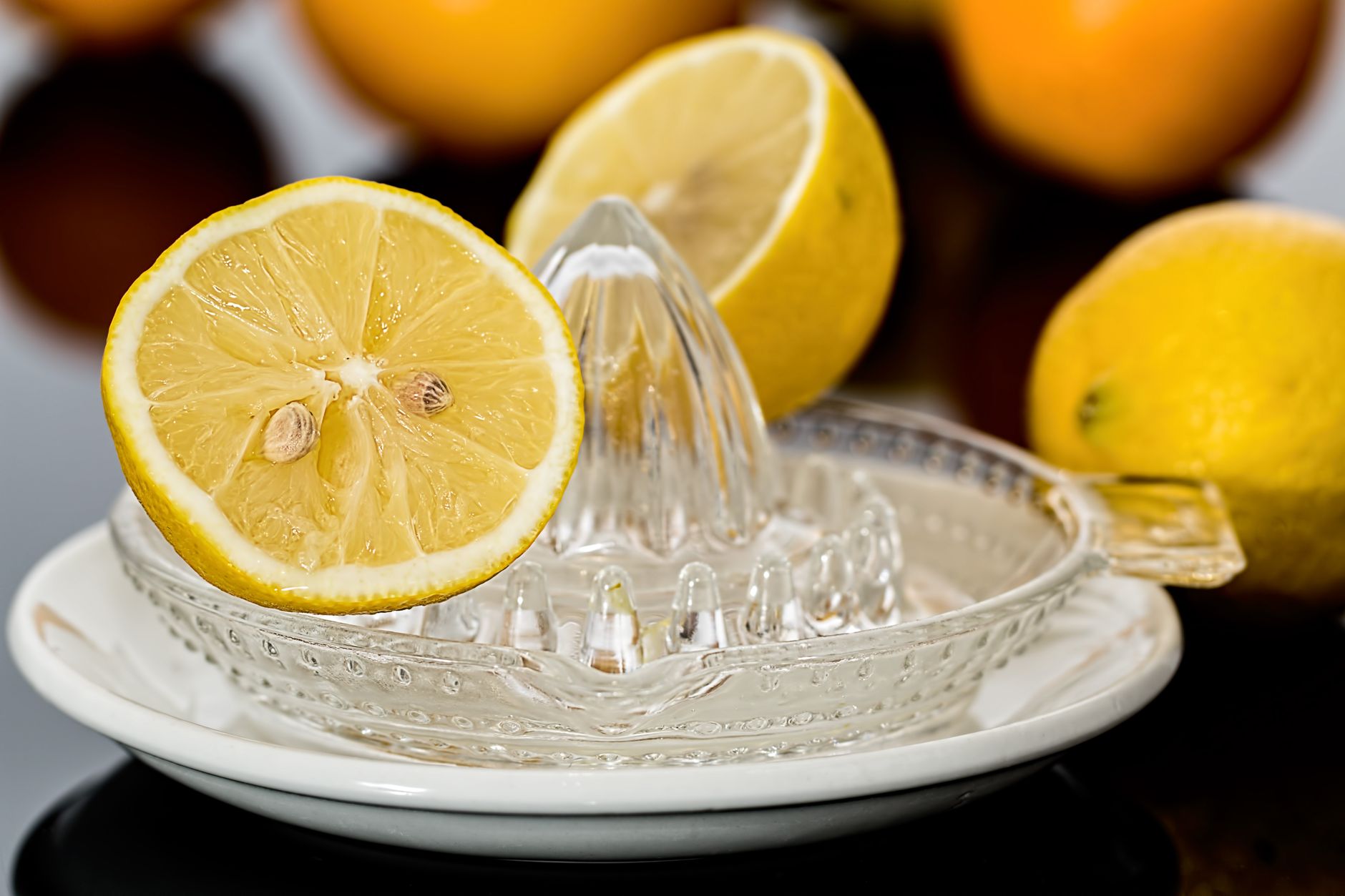
While fruits are generally considered healthy, citrus fruits like oranges, lemons, and grapefruits can trigger acid reflux for some individuals. Their high acidity can lead to an increase in stomach acid production.
Examples of Citrus Fruits to Avoid:
- Oranges
- Lemons
- Limes
- Grapefruits
Tips for Incorporation:
If you enjoy citrus, consider limiting your intake or opting for less acidic varieties like bananas and berries.
Tomatoes
Tomatoes and tomato-based products, such as sauces and ketchup, are also frequent triggers of acid reflux symptoms. They contain citric and malic acids, which can exacerbate acidity in the stomach.
Tomato Products to Watch:
- Tomato sauce
- Ketchup
- Tomato juice
- Salsa
Alternative Options:
If you’re looking for alternatives, consider using roasted red peppers or beets in recipes to add flavor and color without high acidity.
Spicy Foods
Spices can enhance the flavor of your dishes, but they also can irritate the gastrointestinal tract. Spicy foods such as chili peppers and hot sauces are known to lead to acid reflux in sensitive individuals.
Spicy Foods to Limit:
- Chili peppers
- Hot sauces
- Curry dishes
Suggestions for Milder Dishes:
To keep your meals flavorful without the heat, try using herbs like basil, thyme, or oregano as milder alternatives.
Fried and Fatty Foods
Fried and high-fat foods are notorious for causing acid reflux. These foods can slow down digestion and contribute to an increase in stomach acid. This category includes fried foods, heavy cream, and fatty cuts of meat.
Foods to Avoid:
- Fried chicken
- French fries
- Pork belly
- Butter and heavy creams
Healthier Alternatives:
Instead, opt for grilled or baked preparations using lean meats like turkey or chicken breast. Utilizing healthier oils, such as olive oil, can also help.
Chocolate
Chocolate is a beloved treat, but it can trigger acid reflux symptoms. Its high-fat content, coupled with caffeine and theobromine, can lead to relaxation of the LES and allow acid to flow back into the esophagus.
Chocolate Variants to Consider:
- Dark chocolate
- Milk chocolate
Alternatives to Satisfy Sweet Cravings:
If you’re searching for a sweet enhancement, consider fruit, low-fat yogurt, or even small amounts of carob as harmless alternatives to traditional chocolate.
Caffeinated Beverages
Caffeine is known to stimulate acid production in the stomach, which can worsen acid reflux symptoms. Common sources of caffeine include coffee, tea, and some sodas.
Common Caffeinated Beverages:
- Regular coffee
- Black tea
- Sodas
Caffeine-Free Alternatives:
Switch to decaffeinated versions of coffee and tea or flavor your water with non-citrus fruits like berries to maintain hydration.
Alcohol
Alcohol can also lead to a relaxation of the LES and increased stomach acid. Beer, wine, and other alcoholic beverages are often not well-tolerated by those with acid reflux.
Types of Alcohol to Avoid:
- Beer
- Red wine
- White wine
Mindful Drinking Tips:
If you choose to indulge in beverages occasionally, do so mindfully, and consider taking smaller sips to minimize reflux triggers.
Onions and Garlic
Onions and garlic are staple ingredients in many cuisines but can also lead to issues for those prone to acid reflux. Both can irritate the stomach and aggravate symptoms.
Ingredients to Limit:
- Raw onions
- Raw garlic
- Cooked onions
Milder Flavor Alternatives:
To add flavor without causing reflux, try using shallots in moderation, or fresh herbs to maintain the taste of your dishes.
Dairy Products
Full-fat dairy products such as whole milk, cream, and certain cheeses can be heavy and difficult to digest, potentially leading to acid reflux symptoms.
Dairy Options to Monitor:
- Whole milk
- Heavy cream
- Full-fat cheese
Lower-Fat Substitutes:
For those who enjoy dairy, consider low-fat or dairy alternatives like almond milk or goat cheese, which may be easier to digest.
Carbonated Beverages
Carbonated drinks can lead to bloating and increased pressure on the stomach, possibly causing acid reflux symptoms. The carbonation can introduce gas into the digestive system, leading to discomfort.
Beverages to Reconsider:
- Sodas
- Sparkling water
- Carbonated alcoholic beverages
Healthier Hydration Alternatives:
Focus instead on still water, herbal teas, or infusions to stay hydrated without the discomfort associated with carbonation.
Managing Food Choices
While avoiding trigger foods is essential, it’s also important to focus on including foods that can promote digestive health and mitigate symptoms.
Helpful Foods for Acid Reflux:
- Whole grains like oatmeal and brown rice
- Lean proteins such as poultry and fish
- Green vegetables like broccoli, spinach, and kale
- Ginger and non-citrus fruits like bananas and melons
Practical Tips for Eating Wisely
Eating Habits to Adopt:
- Eat smaller, frequent meals rather than large, heavy meals.
- Chew food thoroughly and eat slowly to help with digestion.
- Avoid reclining or lying down immediately after meals.
- Remain upright for at least two to three hours after eating.
- Identify and keep a food diary to track which foods consistently trigger your symptoms.
Cooking Techniques to Consider:
- Grilling, steaming, or baking foods instead of frying.
- Using herbs for flavor instead of fat and oils.
- Choosing lean cuts of meat and removing skin, where applicable.
Conclusion
Understanding which foods cause acid reflux can empower you to make healthier dietary choices that help manage your symptoms. By limiting trigger foods like citrus, tomatoes, fried items, and caffeine, along with incorporating beneficial foods into your diet, you can take control of your digestive health.
Consider starting a meal plan that emphasizes whole grains, lean proteins, and a variety of fruits and vegetables. Take one simple step today: begin to identify your personal triggers and replace them with healthier options for a better balance in your meals. For more cooking tips, explore a variety of healthy recipes that may suit your dietary needs.