
Caraway is a spice that brings a unique, warm flavor to various dishes, commonly used in European cuisines. With its caramelly and slightly anise-like taste, caraway has been part of culinary traditions for centuries, enhancing the flavors of both savory and sweet recipes.
This ingredient is often associated with rye bread, sauerkraut, and certain cheeses, but its versatility allows it to shine in many other contexts. Understanding caraway’s flavor profile, uses, and preparation methods can elevate your cooking and baking.
What Is Caraway?
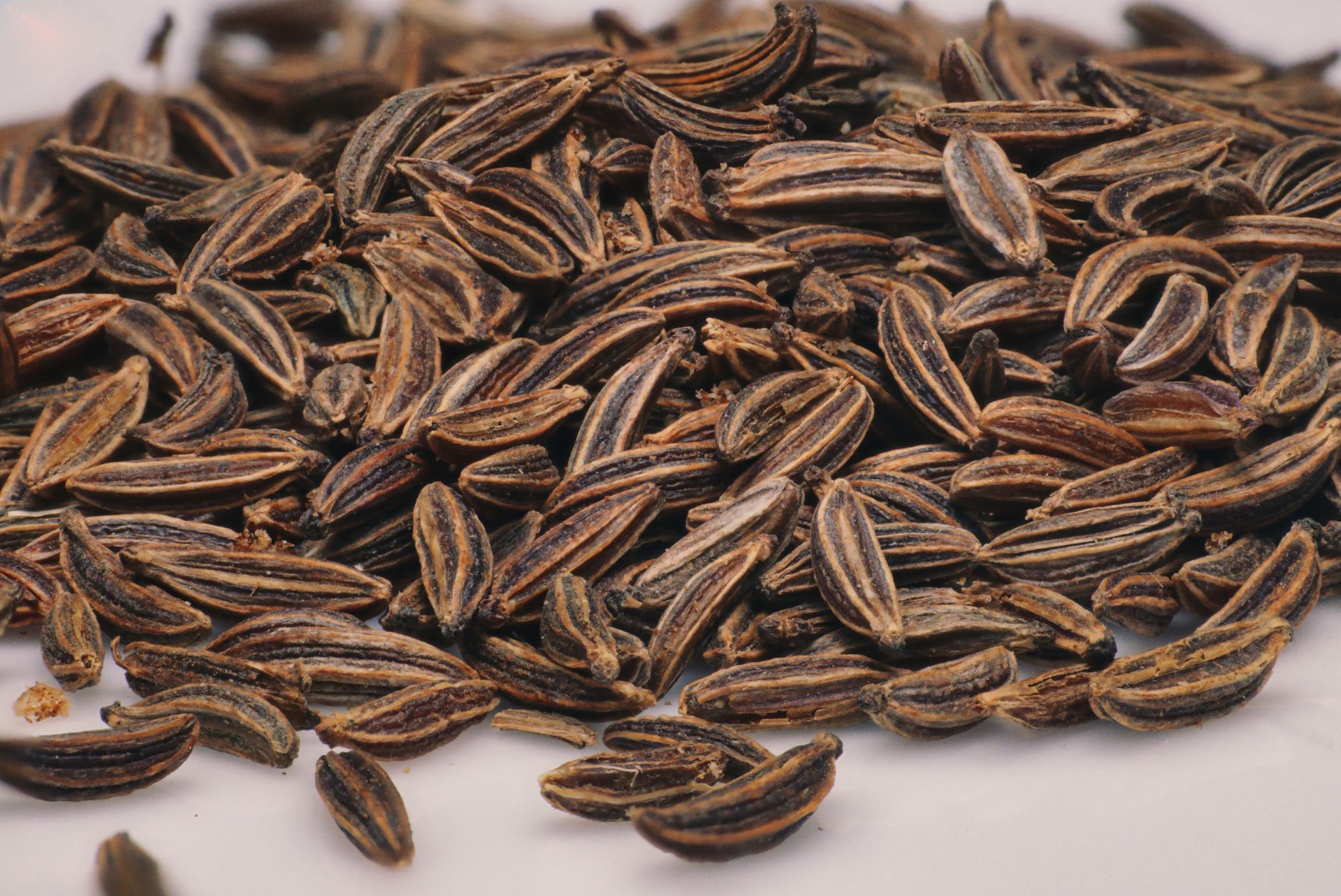
Caraway (Carum carvi) is a biennial herb in the Apiaceae family, often mistaken for cumin due to its similar appearance. The seeds, which are the part used in cooking, have a distinctive crescent shape and dark brown color. Caraway seeds possess essential oils that provide a robust flavor characterized by a warm, slightly sweet, and earthy quality with hints of nutmeg and licorice.
This spice has its origins in Europe, North Africa, and parts of Asia, and has been utilized for culinary and medicinal purposes for over 5,000 years. Not only does caraway add depth to dishes, but it is also noted for its potential digestive benefits.
Flavor Profile of Caraway
The flavor of caraway is strong and aromatic, combining earthy, pungent, and slightly bitter notes. The taste can be difficult to describe precisely, but many liken it to a combination of anise and fennel, with a hint of citrus and pepper. It works particularly well in hearty dishes and is often employed to complement rich meats, vegetables, and breads.
The unique flavor of caraway makes it popular in various cuisines, especially in Central and Eastern Europe, where it is frequently used to spice up sauerkraut, casseroles, and bread. In addition to savory applications, caraway can also lend complexity to sweet treats, such as cakes and cookies.
How to Use Caraway in Cooking
Utilizing caraway in your cooking is straightforward and can enhance numerous dishes. Here are some ways you can incorporate caraway seeds into your recipes:
- Bread and Baked Goods: Caraway seeds are often used in rye bread, adding depth and flavor. They can also be sprinkled into rolls, biscuits, or pastries for a unique twist.
- Soups and Stews: Stir caraway seeds into hearty soups or stews to bring out the flavors of the meat and vegetables. They work particularly well in lentil or vegetable soups.
- Pickled Foods: Caraway seeds are commonly found in pickling spice blends, perfect for enhancing pickled cucumbers, sauerkraut, or other pickled vegetables.
- Vegetable Dishes: Sauté or roast vegetables such as carrots, potatoes, and cabbage with caraway to benefit from its powerful flavor.
- Meat Dishes: Season pork, beef, or lamb with caraway to add complexity. The herb’s warmth complements the richness of these meats.
- Sweet Dishes: Caraway seeds can spice up cakes and cookies, offering an interesting alternative to common spices like cinnamon or nutmeg.
How to Prepare and Store Caraway
Caraway seeds are generally sold whole or ground. Whole seeds tend to maintain their flavor longer than ground seeds, so it’s beneficial to buy whole seeds and grind them as needed.
To maximize flavor, lightly toast the seeds in a dry skillet over medium heat for a few minutes until fragrant. This activates the essential oils and enhances their potency. Let them cool before grinding them in a spice mill or mortar and pestle for use in recipes.
Substitutions for Caraway
If you find yourself without caraway seeds, several alternatives can provide similar flavor profiles. However, keep in mind that each substitution will alter the taste slightly:
- Cumin: Cumin has a warm, earthy flavor that can mimic caraway’s notes. Use it in a 1:1 ratio, but consider that it lacks caraway’s anise-like sweetness.
- Fennel Seeds: With a sweet and licorice-like flavor, fennel can stand in for caraway in a pinch. Use the same amount, recognizing that it may impart a stronger sweet flavor.
- Anise Seeds: Anise seeds have a more pronounced licorice flavor; use sparingly as a substitute to avoid overpowering the dish.
Common Mistakes with Caraway
Using caraway effectively may not be intuitive. Here are some common mistakes to avoid when cooking or baking with caraway:
- Overusing Caraway: Its strong flavor means a little goes a long way. Start with a small amount and adjust to taste rather than adding a large quantity initially.
- Using Ground Instead of Whole: While ground caraway is convenient, whole seeds often provide a more robust flavor. Opt for whole seeds when possible, especially in long-cooked dishes.
- Lack of Toasting: Failing to toast seeds can lead to more muted flavors. Always consider toasting caraway seeds to enhance their aroma and taste.
How to Serve Dishes with Caraway
Caraway can elevate various dishes, but its usage in specific meals can create memorable dining experiences. Below are suggestions for serving dishes featuring caraway:
- Pork Roast: Serve a caraway-seasoned pork roast sliced with sauerkraut and buttery potatoes for a traditional pairing.
- Rye Bread: Slice homemade or artisanal rye bread with caraway as an accompaniment to charcuterie or cheese boards.
- Vegetable Sausages: Pair grilled vegetable sausages seasoned with caraway seeds with whole-grain mustard for a satisfying meal.
Health Benefits and Nutritional Profile
Caraway seeds are known to offer several health benefits, attributed mainly to their essential oils, fiber content, and antioxidant properties. They have been traditionally used to aid digestion, reduce bloating, and alleviate cramps. While not a substitute for professional medical advice, including caraway in a balanced diet can be beneficial.
Nutritionally, caraway seeds are low in calories but provide a good amount of iron, magnesium, and dietary fiber. They also contain volatile oils linked to antioxidant properties. This makes caraway a flavorful, healthy addition to your meals.
Buying and Selecting Caraway
When purchasing caraway, consider the following tips to ensure you select the finest seeds:
- Texture and Color: Look for seeds that are firm, dry, and dark brown. They should not appear discolored or moist, which could indicate spoilage.
- Check the Aroma: Fresh caraway seeds have a pungent, warm scent. If the aroma is weak, it may indicate that the seeds are old.
- Choosing Whole or Ground: If possible, opt for whole seeds to ensure longevity and freshness. Only buy pre-ground caraway if you’re certain it hasn’t been stored for long.
Cooking Techniques with Caraway
Incorporating caraway into your cooking involves not only understanding how to measure but also how to combine it with other flavors. Here are some techniques to enhance your dishes:
- Infusion: Infuse caraway seeds in oils, vinegars, or broths for added flavor in dressings or marinades.
- Pickling: Add caraway seeds to pickling solutions for a unique twist to your pickled vegetables.
- Seasoning Blends: Combine caraway with other spices like cumin, coriander, and chili powder to create complex seasoning blends.
Make-Ahead and Storage Tips
Properly storing caraway can help maintain its flavor for longer. Store whole seeds in an airtight container in a cool, dark place, and they can last up to six months. Ground caraway should be kept in a similar manner, but its shelf life generally only lasts three to four months due to the loss of volatile oils over time.
For make-ahead meals, consider preparing dishes that feature caraway and refrigerating them. Many dishes, such as stews or pickled vegetables, often develop more flavor after resting, making them great options for meal prep.
Conclusion
Caraway is more than just a flavor; it’s a spice steeped in culinary tradition across many cultures. From hearty breads to savory entrées, the flavor profile of caraway can enhance your dishes in surprising ways. Consider experimenting with caraway in your next cooking adventure, whether you’re preparing a family meal or baking a special treat.
For more cooking tips, consider exploring related recipes or guides on food and ingredient preparation. Discover the world of spices as you broaden your culinary skills.