
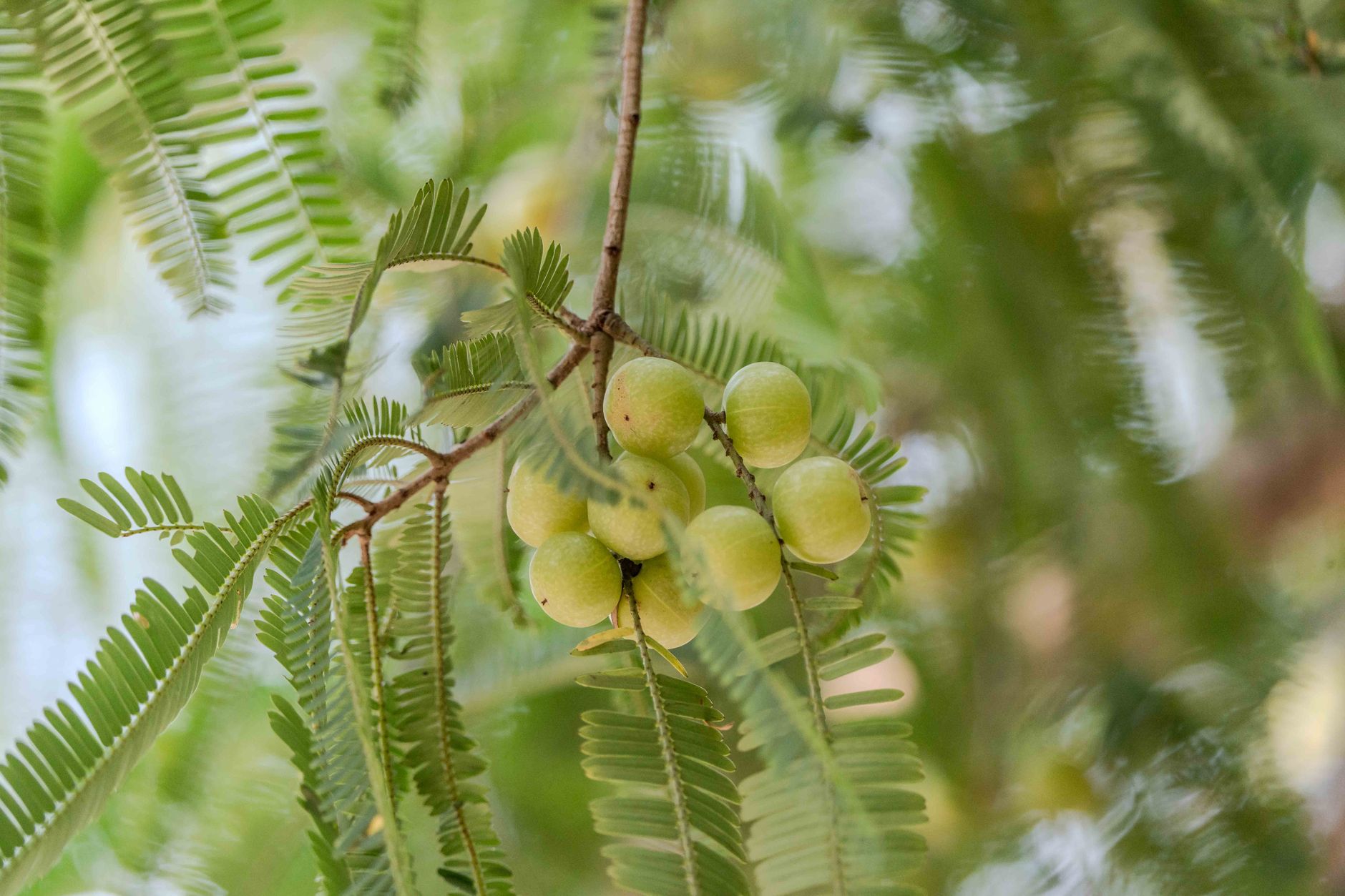
Amla fruit, also known as Indian gooseberry, is a small, round, green fruit that is renowned for its tart flavor and impressive health benefits. Commonly found in India and other parts of Asia, amla is not just a fruit but a vital ingredient in traditional Ayurvedic medicine. Understanding amla’s flavors, ingredients, and how to serve it can enhance your culinary experience.
In this article, we will explore what amla fruit is, its various ingredients, its unique flavor profile, and how you can serve it in different ways, from raw consumption to culinary creations.
What Is Amla Fruit?
Amla fruit (Phyllanthus emblica) is a deciduous tree native to the Indian subcontinent, known for producing these small, greenish-yellow fruits. The fruit is typically about the size of a golf ball and has a unique, highly acidic taste. Amla has been used in traditional medicine for centuries and is also a popular ingredient in various dishes.
Flavor Profile of Amla
The flavor of amla is truly distinctive. It is known for its intense sourness, which can be off-putting to some. However, its unique tartness can add a refreshing dimension to many dishes. Some people compare the taste of amla to that of a very tart apple or lemon but with a more complex earthy undertone.
Culinary Uses of Amla
Amla can be enjoyed in various ways, both raw and cooked. Its versatility makes it a worthy addition to both savory and sweet dishes. Here are some popular culinary uses:
- Raw Consumption: Eating amla raw is the most straightforward way to enjoy its nutritional benefits. Simply wash the fruit and eat it whole or slice it.
- Pickles: Amla is often used to make pickles in Indian cuisine. The sour taste enhances the flavor, preserving the fruit in spices and salt.
- Chutneys: Amla chutney, made with spices, herbs, and sometimes other fruits, can be a flavorful accompaniment to meals.
- Juices and Smoothies: Pureeing amla with other fruits can balance its tartness, making refreshing juices or smoothies.
- Medicinal Preparations: Amla is also available in powder or extract form, commonly used in health supplements and Ayurvedic formulations.
How to Serve Amla Fruit
Amla can be served in many delicious ways. Here are some methods to prepare and serve it:
Raw Amla Snack
For those who enjoy an adventurous palate, eating amla raw is simple. Just wash the fruit and optionally sprinkle it with salt or sugar to cut through the sourness.
Amla Pickle Recipe
Amla pickle is a traditional way to preserve this fruit and enhance its flavor. Here is a basic recipe:
- Ingredients:
- 500 grams fresh amla
- 100 grams salt
- 2 tablespoons mustard seeds
- 1 tablespoon turmeric powder
- 2 tablespoons red chili powder (adjust according to taste)
- 1 tablespoon asafoetida (hing)
- 1 cup mustard oil
- Instructions:
- Wash the amla and steam it for about 10 minutes until slightly soft. Let it cool.
- Remove the pits from the amla and chop them into quarters.
- In a bowl, combine the amla pieces with salt, turmeric, red chili powder, and asafoetida.
- Heat the mustard oil in a pan until it is smoking, then allow it to cool slightly.
- Pour the oil over the amla mixture and mix thoroughly.
- Transfer the mixture to a clean, dry jar and let it pickle for at least a week before consuming.
Amla Juice Recipe
Making amla juice at home is a nutritious and refreshing option. Here’s how to prepare it:
- Ingredients:
- 4-5 amla fruits
- 1-2 cups water
- Honey or jaggery (optional, for sweetness)
- Lemon juice (optional, for added flavor)
- Instructions:
- Wash the amla thoroughly and slice it into smaller pieces.
- In a blender, combine the amla with water and blend until smooth.
- Strain the mixture through a fine sieve into a glass.
- Add honey or jaggery for sweetness, if desired, and a splash of lemon juice for added flavor.
- Serve chilled or over ice.
Nutritional Benefits of Amla
Amla is packed with Vitamin C and antioxidants, providing numerous health benefits. Some potential benefits include:
- High Vitamin C content that boosts the immune system.
- Antioxidant properties that help combat oxidative stress.
- Improved digestion and gastrointestinal health.
- Potential benefits for skin and hair health.
Buying and Storing Amla
When shopping for amla, look for fruits that feel firm and heavy for their size. The skin should be smooth and shiny, indicating freshness. Amla is available in various forms, including fresh fruits, dried fruit, juices, and powders.
To store fresh amla, refrigerate it in a paper bag or in the vegetable crisper drawer. It can keep for several weeks under proper storage conditions. Dried amla should be kept in an airtight container in a cool, dark place.
Substitutions and Variations
If you can’t find amla or prefer a different flavor, consider these substitutions:
- Green Apples: Green apples provide a tangy flavor, though they lack the intensity of amla.
- Lemon: For a more acidic flavor, lemon juice can work well, especially in drinks or dressings.
- Citric Acid: If you’re looking for a similar sourness in recipes where amla is not the star ingredient, citric acid can be used in small amounts.
Common Mistakes and Troubleshooting
When working with amla, keep these common pitfalls in mind:
- Misjudging the tartness: Amla is very sour, so adjust other ingredients accordingly in recipes.
- Over-processing: When making juice or smoothies, be gentle to preserve the fruit’s fiber.
- Improper storage: Ensure that amla is stored correctly to maintain its freshness, especially for pickling.
Conclusion
Amla fruit is a unique ingredient that deserves a place in your culinary repertoire, whether you’re consuming it raw, pickling it, or incorporating it into beverages. Its sour flavor can be an acquired taste, but with the right preparation and serving methods, it can be a delightful addition to various dishes.
Explore using this versatile fruit in different recipes, or learn more about complementary ingredients like chia seeds in our detailed guides. Consider making your next healthy beverage with amla or trying your hand at pickling it. For more ideas, check out our recipes for chia pudding or discover the benefits of chia seeds.
Chia pudding recipe or benefits of chia seeds to enhance your culinary knowledge further.