
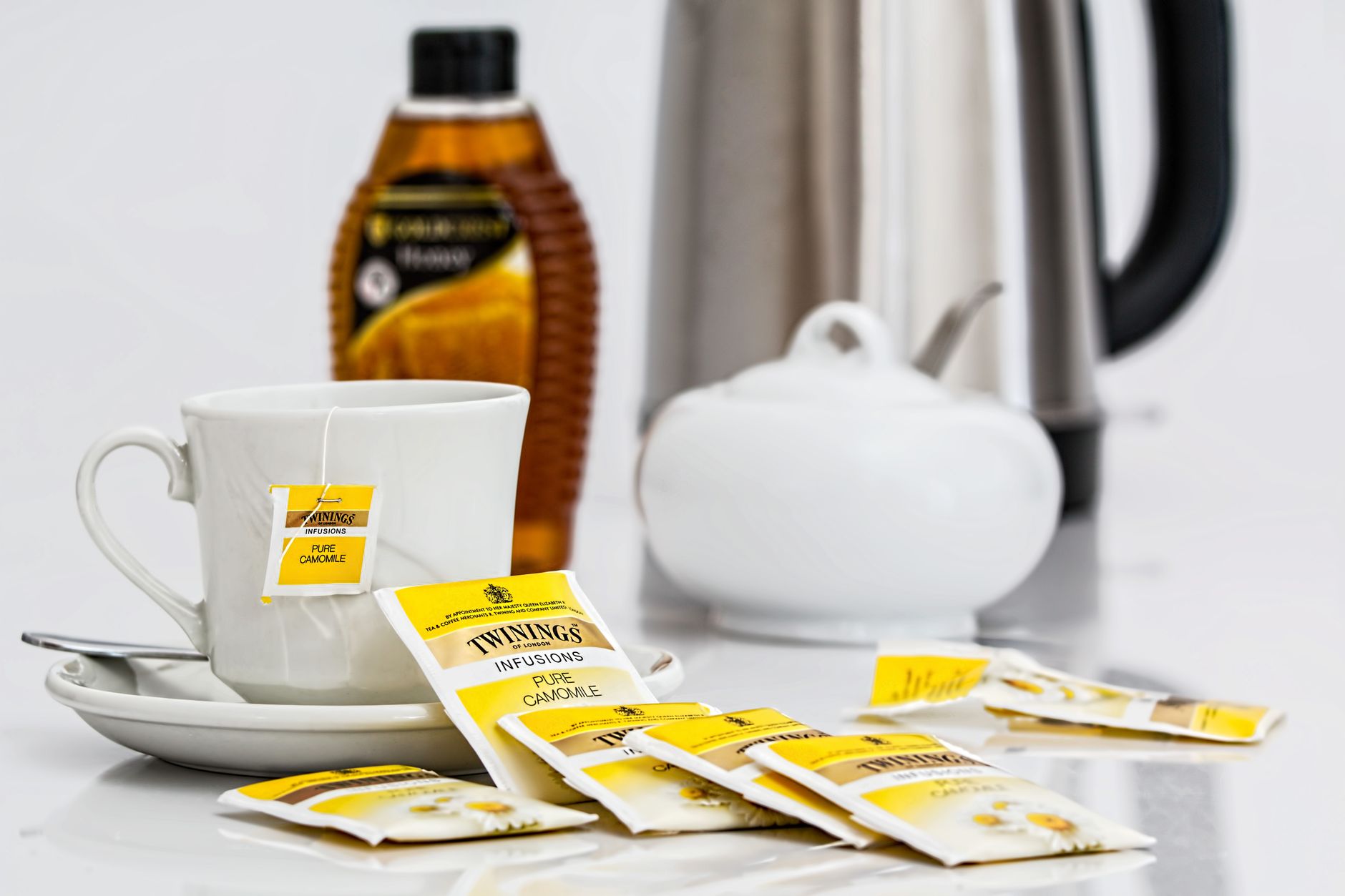
A tea sachet is a convenient way to enjoy your favorite teas without the fuss of loose leaves. These small, often porous bags make brewing tea quick and easy, allowing flavors to infuse while keeping leaves contained. Understanding the composition, taste, and culinary uses of tea sachets can enhance your tea-drinking experience.
This guide will explore what tea sachets are, their ingredients, the flavors you can expect, and their various culinary applications. Whether you’re a tea novice or a seasoned enthusiast, there’s plenty to learn about these handy tea bags.
What Is a Tea Sachet?
A tea sachet is a small bag composed of various materials, typically made from paper or silk, filled with tea leaves. Unlike traditional tea bags that often have a flat, rectangular shape, sachets can be more spacious, allowing leaves to expand and infuse more flavor into the water. They are designed for single servings, making them perfect for brewing a cup of tea without the mess of loose leaves.
Ingredients Found in Tea Sachets
Tea sachets can contain a wide variety of ingredients, depending on the type of tea and the brand. Common components include:
- Tea Leaves: The primary ingredient, which can be black, green, white, oolong, or herbal tea.
- Flavorings: Common flavors added to teas include fruit pieces, spices, herbs, and flowers, enhancing the taste profile.
- Natural Extracts: Some sachets may include natural extracts or oils to intensify flavors.
- Sweeteners: Certain sachets come pre-sweetened or contain stevia, honey powder, or other sweet flavors.
The Types of Tea in Sachets
Tea sachets can encompass a variety of tea types, each bringing unique flavors and health benefits to the table:
- Black Tea: Robust and full-bodied, often enjoyed with milk or sugar.
- Green Tea: Light and refreshing, known for its grassy notes and health properties.
- Herbal Tea: Caffeine-free and made from various plants, spices, and flowers, offering a wide range of flavors.
- Oolong Tea: A semi-oxidized tea that has a flavor profile between black and green tea.
- White Tea: Delicate and light, made from young tea leaves and buds.
Taste Profile of Tea Sachets
The taste of tea from a sachet largely depends on the quality of the tea and the ingredients included. High-quality tea sachets often provide more intense, complex flavors compared to standard options. Here’s a breakdown of what you might expect:
- Flavor Intensity: Unlike loose tea, sachets may contain smaller tea particles, which can lead to more rapid extraction and potentially stronger flavors.
- Aroma: Tea sachets typically release aromas quickly, allowing you to enjoy fragrances before you even take a sip.
- Texture: Depending on the tea, the mouthfeel can vary from smooth to astringent.
Culinary Uses of Tea Sachets
While primarily enjoyed as a beverage, tea sachets have several culinary applications. Here are some creative ways to use them in your kitchen:
Infusing Flavors in Cooking
Tea sachets can be used to impart unique flavors in various dishes:
- Cooking Grains: Use sachets to infuse rice, quinoa, or couscous with subtle flavors. Simply add the sachet to the boiling water or broth used for cooking.
- Themed Soups: Incorporate tea sachets into soups; chamomile or mint tea can brighten a vegetable broth.
- Marinades: Use tea to add depth to meat or tofu marinades. Steep a sachet in hot water, then mix it with your favorite marinade ingredients.
Baking with Tea
Tea sachets can add flavor to baked goods as well:
- Cakes: Incorporate finely crushed tea leaves into cake batters for an aromatic twist.
- Cookies: Infuse your cookie dough with chai spice or Earl Grey flavors by steeping sugar in tea.
- Scones: Flavor scone mixtures with herbal teas or chai to elevate traditional recipes.
Flavoring Beverages
Tea sachets can also enhance various beverages beyond just hot tea:
- Iced Tea: Brew tea sachets in cool water for refreshing iced tea options.
- Cocktails: Use tea sachets to infuse spirits or syrups, contributing unique flavors to cocktails.
- Infused Water: Add tea sachets to water for a flavorful and unique hydration option.
Choosing Quality Tea Sachets
Not all tea sachets are created equal. Here are some considerations to help you select high-quality options:
- Ingredients: Check the ingredient list to ensure the sachet contains real tea leaves and natural flavorings.
- Material: Look for sachets made from unbleached or biodegradable materials for a more eco-friendly option.
- Brand Reputation: Research brands known for their high-quality teas to ensure a better overall experience.
Common Mistakes When Brewing Tea Sachets
Brewing tea from sachets seems simple, but there are common pitfalls to avoid to ensure optimal flavor:
- Water Temperature: Not all teas brew at the same temperature. Green and white teas, for example, require cooler water than black teas.
- Steeping Time: Avoid over-steeping, which can lead to bitterness. Each type of tea has a recommended steep time.
- Reusing Sachets: While you can reuse certain sachets, doing so may dilute flavor and affect the quality.
How to Properly Brew a Tea Sachet
Brewing a perfect cup of tea using a sachet is easy if you follow these steps:
- Boil Water: Heat fresh, cold water to the appropriate temperature for your type of tea.
- Place Sachet in Your Cup: Once the water is boiled, place the sachet in your cup or teapot.
- Pour Water: Gently pour the water over the sachet to allow for even saturation.
- Steep: Follow the recommended steeping time. Remove the sachet once the time is up.
- Enjoy: Add any desired milk, sugar, or lemon, and enjoy your perfectly brewed tea.
Storage Tips for Tea Sachets
Proper storage of tea sachets can preserve their flavor and aroma. Consider these tips:
- Cool, Dry Place: Store sachets in a cool, dry environment away from direct sunlight to protect the flavors.
- Airtight Containers: Use airtight containers to keep moisture out and maintain freshness.
- Keep Separate: If storing various types of teas, keep them separated to prevent flavor cross-contamination.
Making Your Own Tea Sachets
If you’re feeling adventurous, making your own tea sachets can be rewarding. Here’s how:
- Gather Materials: You’ll need empty tea sachets or cheesecloth and string.
- Choose Your Tea: Select your preferred tea leaves and any additional flavoring ingredients.
- Fill Sachets: Place the tea leaves and flavoring inside the sachets, filling them appropriately without overstuffing.
- Seal: Secure the tea sachet and string, ready for brewing.
Popular Flavors and Blends
Tea sachets come in an array of flavors to suit different palates. Some popular blends include:
- Chamomile: Known for its calming properties, chamomile tea is perfect for relaxing evenings.
- Mint: Refreshing and invigorating, mint tea is great for digestion.
- Chai: A mix of black tea and spices, chai is warming and aromatic.
- Earl Grey: Black tea flavored with bergamot, providing a unique floral taste.
Conclusion
Tea sachets offer a convenient and versatile way to savor different tea varieties, whether for a quiet moment or as an ingredient in culinary creations. By understanding their composition, taste profiles, and various uses, you can elevate your tea experience. Next time you brew a cup of tea or try a new recipe, consider how tea sachets can simplify and enrich your culinary adventures.
Explore related recipes and cooking tips to further expand your culinary knowledge, from a clove tea recipe to information on what spearmint tea is good for.