
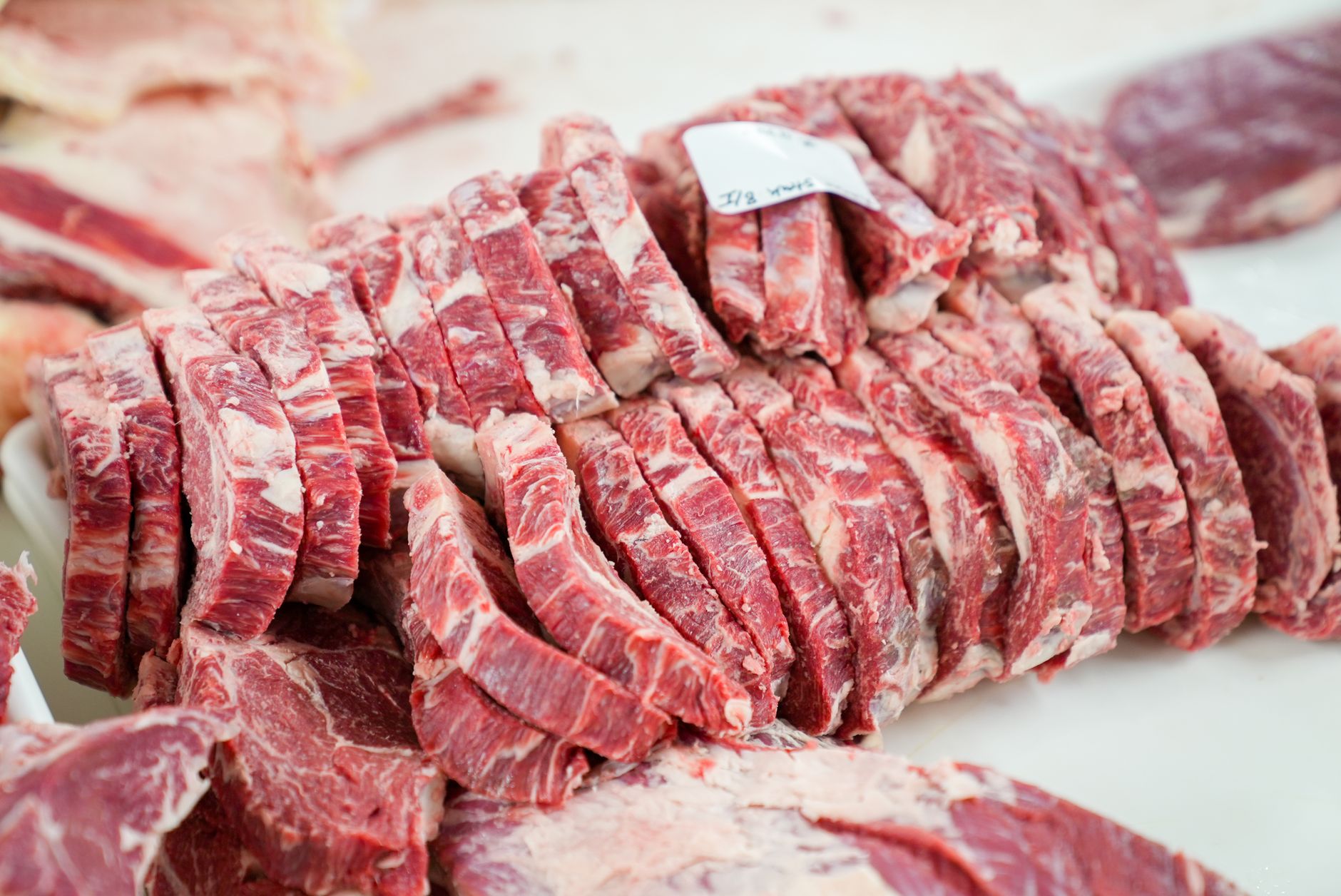
Sirloin is a popular cut of beef known for its balance of flavor and tenderness. Originating from the rear portion of the cow, this versatile cut is a favorite among both home cooks and professionals, offering various cooking methods and preparation styles. Understanding the different types of sirloin, their flavors, and how to best serve them can elevate your meals.
In this guide, we will explore what sirloin is, the various types available, their unique flavor profiles, the best methods for cooking, and tips on serving to ensure a delightful dining experience.
What Is a Sirloin?
Sirloin is a beef cut derived from the back of the animal, specifically from the area between the short loin and the round. It is divided into several sub-primal cuts, most notably the top sirloin and bottom sirloin. The sirloin is prized for its balanced flavor and tenderness, making it ideal for grilling, roasting, and sautéing.
Types of Sirloin
Understanding the different types of sirloin can help you select the right cut for your recipe or cooking method. The main types include:
- Top Sirloin: This cut is more tender and flavorful than the bottom sirloin. It’s a popular choice for steaks and is commonly grilled or pan-seared.
- Bottom Sirloin: Slightly less tender than top sirloin, the bottom sirloin includes cuts such as the sirloin flap and tri-tip. It’s often used for roasts and can be marinated for added flavor.
- Sirloin Tip: Also known as the tip sirloin, this cut is from the front part of the sirloin section. It is lean and best cooked slowly to enhance tenderness.
Flavor Profile of Sirloin
Sirloin has a distinct beefy flavor that is robust yet not overpowering. The top sirloin tends to be more marbled, contributing to a more juicy and tender texture when cooked, while the bottom sirloin, being leaner, offers a firmer bite. Sirloin is ideal for seasoning with simple spices and marinades that enhance, rather than mask, its natural flavors.
How to Cook Sirloin
There are several methods for cooking sirloin, each bringing out different flavors and textures. Here are some popular techniques:
Grilling
- Preheat your grill to high heat.
- Season the sirloin with salt, pepper, and your choice of spices or marinade. Allow it to rest for about 30 minutes at room temperature.
- Place the steak on the grill, cooking about 4-5 minutes per side for medium-rare, using a meat thermometer to check for an internal temperature of 130°F (54°C).
- Remove from the grill and let it rest for 5-10 minutes before slicing to retain juices.
Pan-Searing
- Heat a heavy skillet over medium-high heat with a tablespoon of oil until shimmering.
- Season the sirloin as desired, and place it in the hot skillet. Sear for 3-4 minutes without moving it, allowing a crust to form.
- Flip the sirloin and cook for another 3-4 minutes, checking for doneness.
- Remove the steak and let it rest for several minutes before slicing.
Roasting
- Preheat your oven to 400°F (200°C).
- Season the sirloin roast with herbs and spices of your choice, then sear it in a hot skillet on all sides.
- Transfer to a roasting pan and cook in the preheated oven for about 20 minutes per pound, until it reaches an internal temperature of 135°F (57°C) for medium-rare.
- Allow the roast to rest for about 20 minutes before carving.
Tips for Serving Sirloin
Proper serving techniques can significantly enhance the dining experience. Here are some helpful tips:
- Slice Against the Grain: Cutting the sirloin against the grain ensures each bite is tender. Look at the muscle fibers and slice perpendicular to them.
- Serve with Sauces: Sirloin pairs well with a variety of sauces, such as chimichurri, BBQ sauce, or a simple herb butter. These can enhance the flavor without overwhelming it.
- Pairing: Complement sirloin with side dishes like roasted vegetables, mashed potatoes, or a fresh salad to balance the meal.
- Garnish: Fresh herbs can add color and freshness. Consider topping with parsley or thyme for an appealing presentation.
Common Mistakes When Cooking Sirloin
Even experienced cooks may encounter issues when working with sirloin. Here are some common mistakes to avoid:
- Overcooking: Sirloin can become tough if overcooked. Use a meat thermometer to ensure you achieve the desired doneness.
- Not Letting It Rest: Cutting into the steak immediately after cooking releases juices. Let it rest for a few minutes to keep it juicy.
- Insufficient Seasoning: Sirloin benefits from adequate seasoning. Don’t be afraid to use salt, pepper, and other spices or marinades.
Storage and Reheating
Storing and reheating sirloin properly is crucial for maintaining its quality and safety:
Storage
- Cooked sirloin should be cooled and stored in an airtight container in the refrigerator. It is best consumed within 3-4 days.
- For long-term storage, freeze the cooked steak in freezer-safe bags. It can last up to 3 months in the freezer, but for the best quality, consume it sooner.
Reheating
- To reheat, place cooked sirloin in a skillet over low heat with a splash of broth or water to keep it moist. Cover to retain steam.
- You can also reheat in the oven by wrapping it in foil and placing it on a baking sheet at 300°F (150°C) until warmed through.
Practical Substitutions for Sirloin
When sirloin is unavailable or if you’re looking for alternatives, consider the following options:
- Ribeye: Known for its rich marbling, ribeye is a flavorful alternative that can mimic the taste of sirloin when grilled or pan-seared.
- Tenderloin: Although more tender and lean, tenderloin can be used as a substitution where tenderness is desired, although at a higher cost.
- Flank Steak: This cut is leaner and has a different texture but can work well in stir-fries or sliced thinly for sandwiches.
Conclusion
Sirloin is a delicious and versatile cut of beef that can be enjoyed in various ways. Its rich flavor, coupled with its tenderness when cooked properly, makes it an excellent choice for many meals. Whether you decide to grill, roast, or pan-sear your sirloin, following proper cooking techniques and serving guidelines will help you create an enjoyable dining experience. Explore various sides and sauces to complement your dish, and remember to store any leftovers safely for later enjoyment. For more recipe ideas, consider trying this petite sirloin steak recipe or savor a sirloin tip roast recipe to expand your grilling repertoire.