
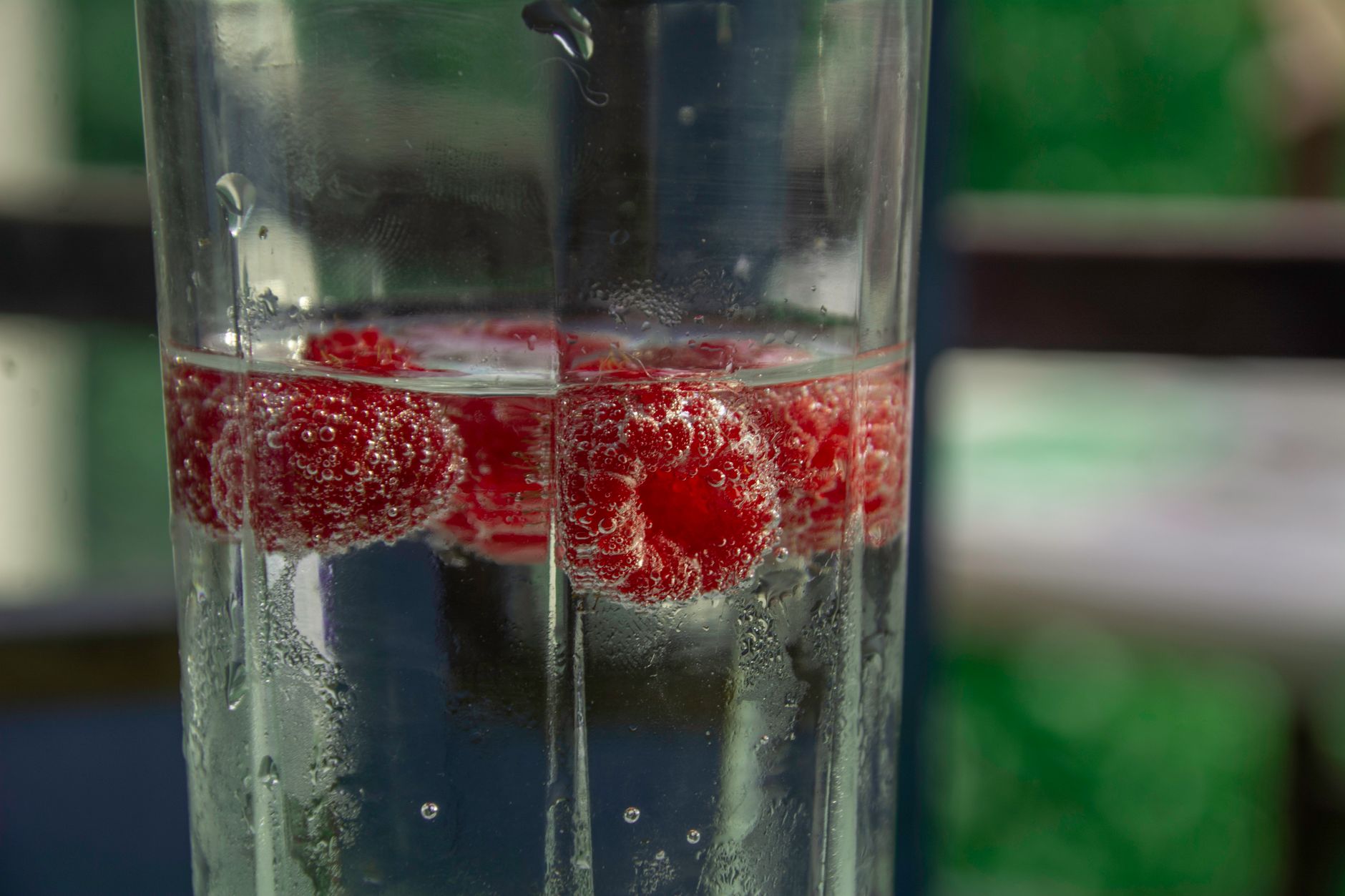
Seltzer is a popular carbonated drink that has gained substantial popularity, particularly as a refreshing beverage option. Primarily composed of carbonated water, seltzer serves as a versatile base for cocktails, a mixer, or a stand-alone beverage. Understanding what seltzer is and how it can be used enriches your culinary experience and provides exciting options for hydration.
This article delves into the definition of seltzer, its origins, the difference between various types of carbonated waters, and how you can incorporate it into your meals and beverages. By the end, you will have a comprehensive understanding of seltzer and its many uses.
What Is Seltzer Water?
Seltzer water, or simply seltzer, is carbonated water that is devoid of any added minerals or flavors. Unlike tonic water, which contains sweeteners and flavorings, seltzer is purely water infused with carbon dioxide under pressure, giving it the signature fizz. Its refreshing, bubbly nature makes it a popular choice for those looking to quench their thirst without added sugars or calories.
The History of Seltzer
The term “seltzer” originates from Seltzer, Germany, where naturally carbonated mineral water was sourced in the 18th century. Thanks to its distinctive effervescence and refreshing taste, it quickly became a fashionable drink. In the 19th century, the invention of carbonated water machines allowed people to create seltzer at home, popularizing it further in pubs and homes across Europe and the United States.
Types of Carbonated Waters
While seltzer is one form of carbonated water, it’s essential to understand the distinctions between various types of carbonated beverages.
- Seltzer: Plain water that has been carbonated. It contains no minerals or flavors.
- Club Soda: Carbonated water that contains added minerals such as potassium sulfate or sodium bicarbonate. These minerals lend club soda a slightly salty taste and are often used in cocktails.
- Tonic Water: Carbonated water that is flavored with quinine, a compound derived from the bark of the cinchona tree. It often contains sweeteners, making it taste sweeter and more herbaceous than seltzer.
- Mineral Water: Naturally sourced water that comes from mineral springs, containing various dissolved minerals and other trace elements. Mineral water may be still or carbonated naturally.
How to Choose Seltzer
When selecting a seltzer, consider the following guidelines to find the right one for your needs:
- Read Labels: Look for products labeled as “seltzer” to ensure there are no added sugars or flavors.
- Flavor Varieties: Many companies offer flavored seltzers without added sugars. These flavors can range from raspberry to cucumber, providing a varied and refreshing option while keeping calories low.
- Brand Preference: Some brands may have different levels of carbonation or taste profiles. Experimenting with different brands can help you find your favorite.
How to Use Seltzer in Drinks
Seltzer can be enjoyed as a standalone drink, but its versatility extends to various cocktail recipes and refreshing beverages. Here’s how you can incorporate seltzer into your drink repertoire:
Refreshing Cocktails
Seltzer can be a great way to add fizz to your cocktails without additional sweetness. Here are a few cocktail ideas:
- Whiskey Spritzer: Combine whiskey, a splash of lemon juice, and top with seltzer. Garnish with a lemon wedge.
- Mimosa: Replace traditional champagne with seltzer for a lighter version. Mix equal parts seltzer and orange juice.
- Fruit-Infused Seltzer: Simply add your favorite fruits like lemon, lime, or berries into a glass of seltzer for a refreshing drink.
Mocktails
For non-alcoholic options, seltzer serves as a fantastic base for mocktails:
- Cucumber Mint Cooler: Muddle fresh mint leaves and cucumber in a glass, add ice, lime juice, and top with seltzer.
- Berry Fizz: Create a mix of muddled berries, lime juice, and fill it with seltzer for added fizz.
Using Seltzer in Cooking
Seltzer’s carbonation can also play a unique role in the kitchen. Here are a few cooking methods that allow seltzer to shine:
For Frying
Using seltzer in batter for fried foods contributes to a lighter, crispier texture:
- Tempura Battered Vegetables: Replace water or milk with seltzer in your tempura batter recipe for extra crunch.
- Fried Chicken Batter: Use seltzer for the batter in fried chicken to ensure a crispy coating.
In Smoothies
Adding seltzer to smoothies gives them a refreshing fizz:
- Fruity Seltzer Smoothie: Blend fruit, yogurt, and a splash of seltzer for a refreshing, bubbly smoothie.
Health and Nutrition Considerations
While seltzer is often regarded as a healthier alternative to sugary beverages, it’s essential to look at several factors:
- No Added Calories: Seltzer is calorie-free, making it a suitable option for those seeking hydration without the extra calories.
- Hydration: Seltzer can help maintain hydration levels. However, it is essential to ensure you balance it with still water, as some individuals may find carbonated beverages challenging to consume in large quantities.
- Dental Considerations: Although seltzer is more beneficial than sugary drinks, acidic beverages can potentially erode tooth enamel over time. Rinse your mouth with water after consuming seltzer to mitigate this effect.
Common Substitutions for Seltzer
There are several options if you’re looking for alternatives to seltzer in drinks or cooking:
- Club Soda: Offers a similar effervescence with added minerals, changing the flavor slightly.
- Sparkling Mineral Water: Provides natural minerals along with carbonation. It may deliver a more complex flavor profile.
- Regular Water: While it lacks fizziness, it can still be used in recipes requiring hydration or dilution.
Common Mistakes When Using Seltzer
To ensure you get the best experience with seltzer, keep an eye out for some common mistakes:
- Using Warm Seltzer: Warm seltzer loses its carbonation faster, so always serve it chilled.
- Improper Storage: Make sure to keep your seltzer sealed and in the refrigerator for optimal freshness. Once opened, try to consume it within a few days.
Storing Seltzer
Storing seltzer is straightforward—here’s the best way to keep it fresh:
- Keep it Sealed: To maintain carbonation, seal the bottle or can tightly after opening.
- Refrigeration: Store seltzer in the refrigerator to keep it chilled and fizzy. Room temperature can lead to a loss of carbonation.
Benefits of Seltzer
In addition to its qualities as a refreshing drink, seltzer brings some beneficial aspects:
- Low-Calorie Beverage: Seltzer is an excellent way to hydrate without the calories found in soft drinks or juices.
- Versatile Mixer: Its neutral flavor makes it a great addition to many beverages, serving to enhance rather than overpower.
Conclusion
Seltzer is an invigorating and versatile beverage that can be enjoyed on its own or used creatively in cooking and cocktails. With its origins rooted in natural mineral water and its evolution into a popular drink, seltzer offers hydration without added sugars or calories.
To explore how seltzer can enhance your cooking and drinking experience, consider using it in a refreshing cocktail or as a unique twist in your batter recipes. Embrace the fizz, and enjoy the refreshing qualities seltzer brings to your culinary repertoire.
For additional kitchen tips or related recipes, consider checking out how to freeze watermelon or learn how long to cook tilapia.