
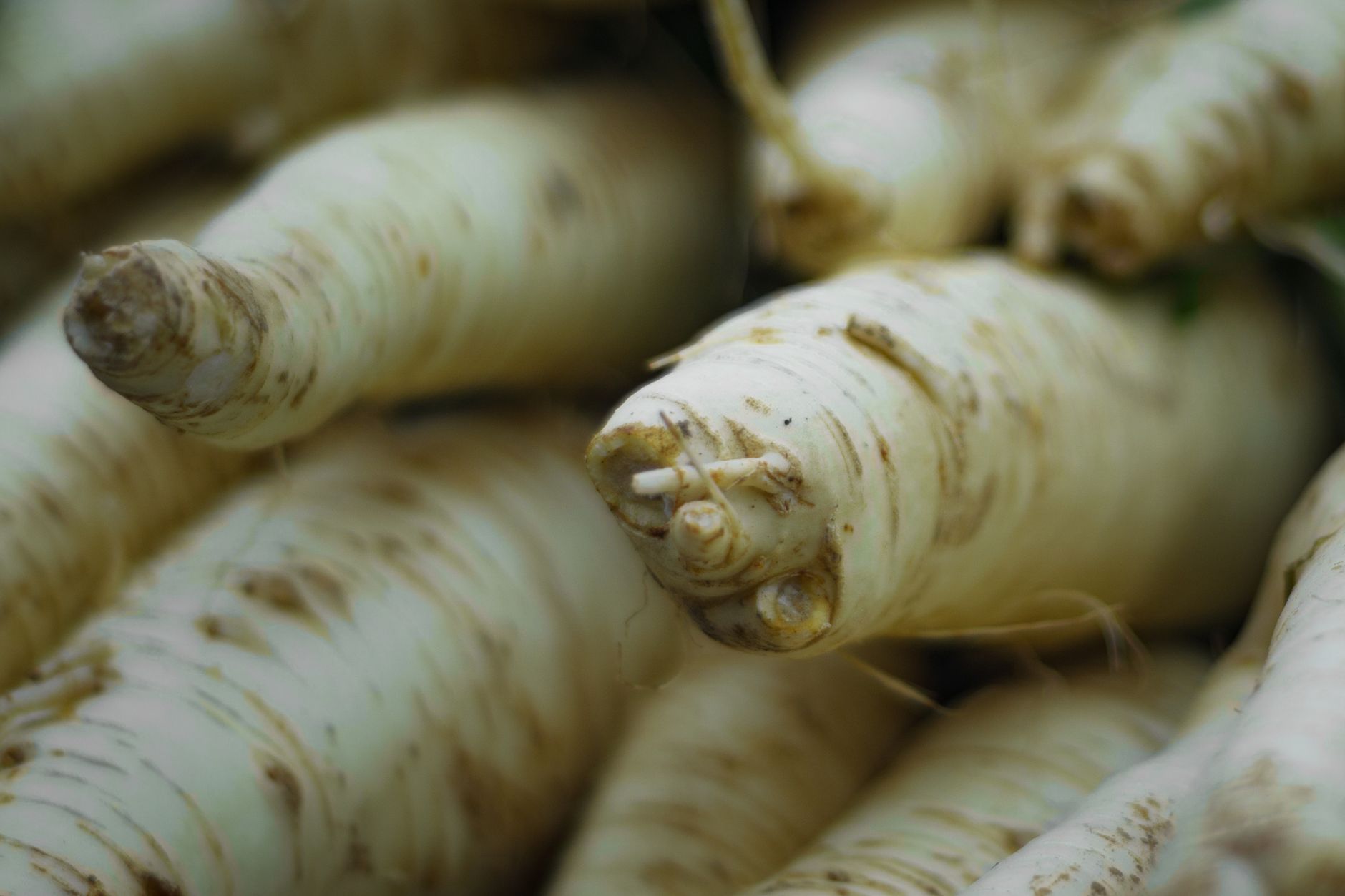
Rutabaga is a versatile root vegetable that is often overlooked in the kitchen. This hearty bulb has a unique flavor and texture, making it a delightful addition to various dishes. Understanding its culinary potential can enhance your meals, whether you’re roasting, mashing, or incorporating it into stews.
In this article, we’ll explore what a rutabaga is, its flavor profile, nutritional benefits, and various ways to serve it. You’ll also discover cooking techniques and practical tips for selecting, storing, and preparing this often underappreciated vegetable.
What Is a Rutabaga?
A rutabaga is a member of the Brassica family, which also includes cabbage, broccoli, and kale. Often confused with turnips, rutabagas are larger and have a denser, creamier texture. They typically have a yellowish or purple-skinned exterior and bright yellow flesh underneath. Rutabagas are sometimes referred to as “swedes” in certain regions.
Flavor Profile of Rutabaga
Rutabagas have a sweet, earthy flavor, often described as a cross between cabbage and turnip. When cooked, their sweetness develops further, becoming rich and flavorful. The texture is hearty, firm, and slightly fibrous, making them ideal for a variety of cooking methods.
Nutritional Benefits of Rutabaga
This root vegetable is not only flavorful but also packed with nutrients. Rutabagas are low in calories and high in fiber, making them an excellent choice for healthy eating. They are also a great source of vitamins C and E, potassium, and antioxidants. Regular consumption of rutabagas can contribute to your daily intake of essential nutrients.
How to Select Rutabagas
When shopping for rutabagas, look for bulbs that are firm to the touch and free from soft spots or blemishes. The skin should be smooth and shiny. Smaller rutabagas tend to be sweeter and less woody than larger ones. Store your rutabagas in a cool, dark place, ideally in the refrigerator’s vegetable drawer for up to several weeks.
Preparation and Cooking Techniques
Preparing Rutabagas
Before cooking rutabagas, you’ll need to peel them to remove their thick outer skin. Use a sharp vegetable peeler or a knife to cut away the skin. Once peeled, cut the rutabaga into even-sized pieces to ensure even cooking. Rinse the cut pieces under cold water to remove any dirt.
Cooking Methods
- Boiling: Boiling rutabagas is one of the simplest methods. Cut them into chunks and boil in salted water until tender, about 20–30 minutes. Drain and mash or serve as is.
- Roasting: Roasting rutabagas brings out their natural sweetness. Toss cubed rutabaga with olive oil, salt, and pepper, and roast in a preheated oven at 400°F (200°C) for 30–40 minutes, or until golden brown and crispy.
- Steaming: Steaming preserves the nutritional value and flavor. Steam chunks of rutabaga for about 15–20 minutes until tender.
- Mashed: To make mashed rutabagas, boil or steam them until soft. Drain, mash with butter, cream, and seasonings to taste.
- In Soups and Stews: Rutabagas can add texture and flavor to soups and stews. Cut them into small cubes and add them to your favorite recipes.
How to Serve Rutabagas
Rutabagas can be served in various ways, making them a flexible ingredient in your cooking. Here are some serving suggestions:
Mashed Rutabagas
Mashed rutabagas make a comforting side dish. Combine boiled rutabagas with butter and season with salt, pepper, and a dash of nutmeg or garlic powder for extra flavor.
Rutabaga Fries
For a healthy twist on fries, cut rutabaga into thin strips, toss with olive oil, and season to your preference. Roast until crispy for a delicious snack or side dish.
Sautéed Rutabaga
Thinly slice rutabaga and sauté it with onions, garlic, and your choice of herbs for a flavorful vegetable medley. This can be a delightful addition to any main course.
Rutabaga Soup
Create a creamy soup by cooking rutabagas with onions, carrots, and vegetable broth. Blend until smooth and finish with cream or coconut milk for richness.
Substitution Ideas
If rutabagas are not available, several alternatives can be used, though flavors and textures may vary:
- Turnips: Turnips are the closest substitute and have a similar earthy flavor but are usually smaller.
- Parsnips: Parsnips are sweeter and provide a unique flavor if you prefer a different twist.
- Carrots: While sweeter and orange in color, carrots can be used for a similar texture in dishes.
Common Mistakes and Troubleshooting
Cooking rutabagas can be simple, but here are common mistakes to avoid:
- Not Peeling: Skipping the peeling step can lead to an unpleasantly tough texture. Always peel before cooking.
- Overcooking: Overcooked rutabagas can become mushy. Aim for a tender but firm texture.
- Ineffective Seasoning: Rutabagas can handle bold flavors, so don’t hold back on seasonings and herbs.
Storage and Shelf Life
Rutabagas can last for weeks if stored properly. Keep them in a cool, dark, and well-ventilated place. For longer storage, you can refrigerate them, ideally in a plastic bag with some ventilation holes. Once cooked, rutabagas can be stored in the refrigerator for three to five days in an airtight container.
Exploring Rutabaga Recipes
If you’re eager to incorporate rutabaga into your cooking, consider experimenting with various recipes. Here are a few ideas to get you started:
Rutabaga Mash with Garlic and Herbs
This comforting mash is a savory alternative to mashed potatoes. Boil and mash rutabagas, mixing in roasted garlic, butter, and fresh herbs like rosemary or thyme.
Sweet and Savory Rutabaga Bake
Layer sliced rutabagas with apples and a sprinkle of brown sugar and cinnamon. Bake until tender for a delicious side dish that pairs well with roasted meats.
Conclusion
Rutabagas are a nutritious, versatile root vegetable that can enhance a variety of dishes with their unique flavor and texture. Whether mashed, roasted, or included in soups and stews, they bring a delicious balance to your meals. By experimenting with different preparation and serving methods, you can discover the many ways to enjoy this wholesome vegetable.
To delve deeper, explore other related cooking tips and guides that can expand your culinary repertoire. You can learn about the benefits of seasonal vegetables or check out ways to prepare root vegetable soups for a cozy meal.