
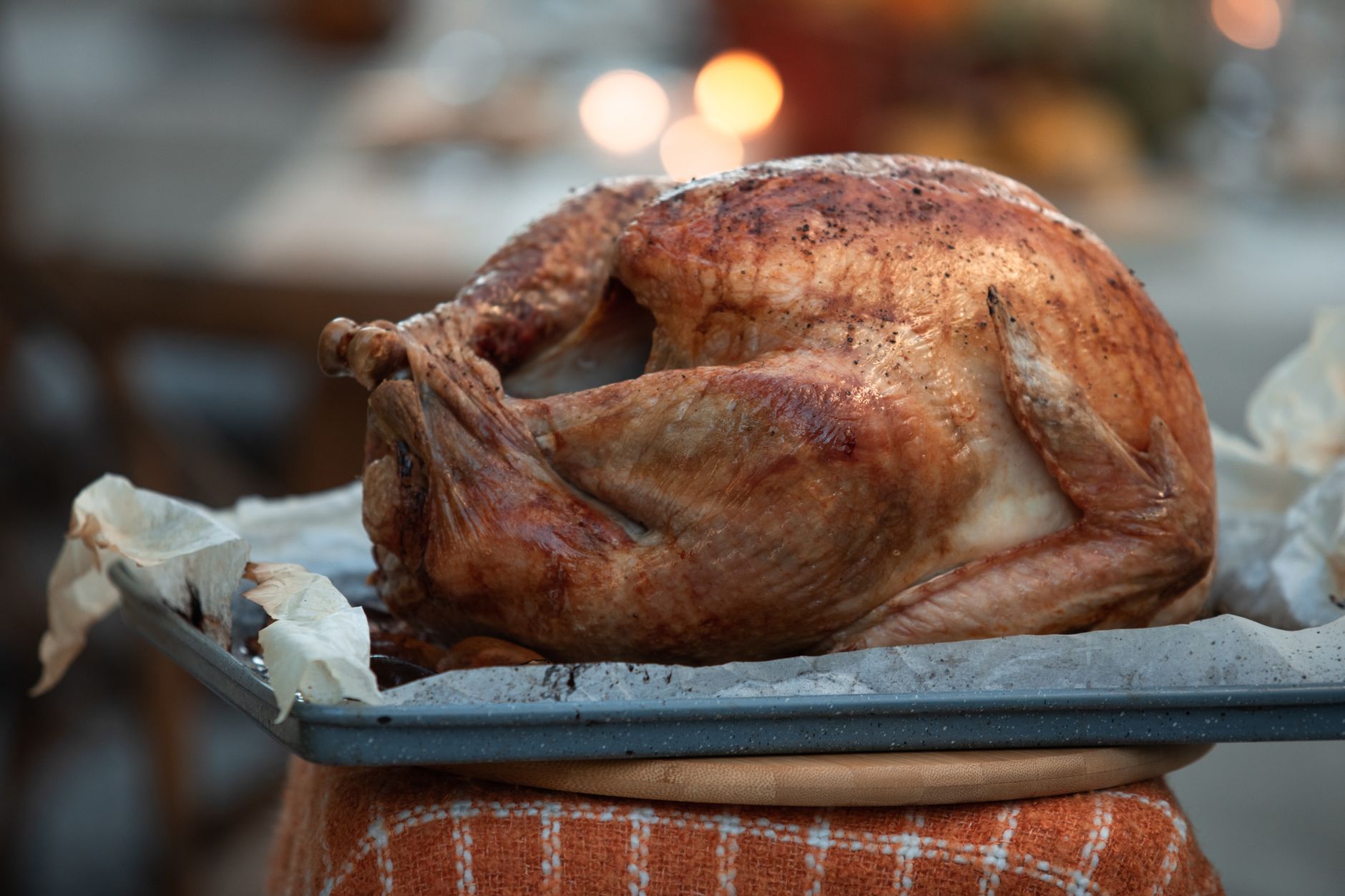
Understanding how long a turkey should rest after cooking is essential for achieving juicy, tender meat. The resting period allows the juices to redistribute throughout the turkey, enhancing flavor and moisture. In this guide, we will explore the recommended resting times, the science behind resting meat, and answer common questions related to this important step in the cooking process.
Whether you’re preparing a holiday feast or a simple family dinner, knowing how to properly rest your turkey will elevate your cooking skills. Let’s dive into the details of resting a turkey, the ideal times and temperatures, and tips to make your turkey the star of the meal.
How Long Should a Turkey Rest After Cooking?
After cooking, a turkey should rest for approximately 20 to 30 minutes for smaller birds (under 14 pounds) and 30 to 40 minutes for larger turkeys (14 pounds and up). This time allows the muscle fibers to relax and the juices to redistribute, resulting in a more flavorful and moist turkey.
The Importance of Resting Turkey
Resting meat is a widely recognized cooking technique that serves several purposes:
- Juice Redistribution: When turkey cooks, the juices move toward the center of the bird. Resting allows these juices to flow back to the surface, making every slice juicy.
- Improved Texture: Resting gives muscle fibers time to relax, which contributes to a more tender bite.
- Reduced Carry-Over Cooking: During resting, the turkey continues to cook slightly, which can lead to overcooked meat if not given adequate time to rest.
How to Rest a Turkey Properly
Resting a turkey is straightforward, but there are a few best practices to keep in mind:
- Remove the turkey from the oven or smoker when it reaches the desired internal temperature.
- Transfer the turkey to a cutting board or serving platter. Avoid placing it directly on a hot surface, as this may cause further cooking.
- Cover the turkey loosely with aluminum foil. This helps retain some warmth without trapping too much steam, which can make the skin soggy.
- Let the turkey rest based on its size: 20 to 30 minutes for birds up to 14 pounds, and 30 to 40 minutes for larger turkeys.
Understanding Internal Temperatures
To ensure that your turkey is safe to eat, it’s important to monitor its internal temperature. The USDA recommends the following:
- Turkey should be cooked to an internal temperature of 165°F (73.9°C).
- Use a meat thermometer to check the thickest part of the breast and thigh, taking care not to touch the bone, as this can give an inaccurate reading.
After resting, the turkey’s temperature may rise an additional 5 to 10 degrees Fahrenheit due to carry-over cooking, improving the overall doneness while maintaining moisture.
Common Mistakes When Resting Turkey
While resting sounds simple, there are a few common mistakes to watch out for:
- Not Resting Long Enough: Cutting into a turkey too soon can lead to dry meat. Ensure you allow enough time for resting.
- Wrapping Too Tightly: Covering the turkey tightly with foil can trap steam, softening the skin and impacting texture. Use foil loosely.
- Ignoring Temperature Checks: Failing to check the turkey’s internal temperature before resting can lead to undercooking. Always confirm doneness before serving.
How to Optimize Your Turkey Resting Experience
Enhancing your turkey resting experience involves planning and timing. Here are some tips:
- Plan for Side Dishes: Use the turkey’s resting time to prepare and serve side dishes, ensuring all elements of the meal are finished concurrently.
- Prepare a Gravy: While the turkey rests, you can use the drippings to make a delicious gravy, adding depth to your meal.
- Utilize a Sharp Knife: A sharp knife is essential for properly slicing the turkey after it has rested. This will yield cleaner cuts and looks good on the serving platter.
Alternative Cooking Methods and Resting Times
Turkey can be prepared in various ways, each potentially affecting resting times:
- Roasting: Traditional oven roasting usually requires standard resting times of 20-40 minutes based on the weight.
- Smoking: Smoked turkey typically benefits from a longer resting period of 30-45 minutes, which allows flavors to deepen.
- Deep Frying: Fried turkey requires a shorter resting time of about 15-25 minutes, as the high cooking temperature often cooks the meat more rapidly.
Can You Rest a Turkey Too Long?
While resting is crucial, leaving a turkey to rest for too long can lead to it cooling down excessively. If you plan to take longer than 40 minutes, consider placing it in a warm oven (about 200°F or 93°C) to keep it heated while it rests. This way, you protect the meat’s warmth without continuing to cook it.
Troubleshooting: What to Do if Your Turkey Isn’t Moist After Resting
If your turkey fails to retain moisture after resting, there are a few potential reasons and solutions:
- Overcooked Turkey: If the turkey was cooked beyond the recommended temperature, it would be dry. Ensure accurate temperature readings in the future.
- Poor Quality Turkey: In some cases, the quality of the turkey can affect moisture. Always choose fresh, good quality birds.
- Inadequate Resting: If it didn’t rest long enough, juices may not have redistributed. In such cases, focus on perfecting resting techniques for future meals.
Serving Suggestions and Pairings
The flavors of turkey pair beautifully with various side dishes and accompaniments. Here are some classic suggestions:
- Stuffing: A rich, savory stuffing complements the mild flavor of turkey.
- Gravy: Homemade turkey gravy made from drippings adds depth and richness.
- Vegetable Sides: Roasted vegetables, green bean casserole, and cranberry sauce provide contrasting textures and flavors.
- Salads: A simple salad with vinaigrette can balance the heaviness of the meal.
Leftover Turkey: Storage and Reheating
After your meal, you may have leftover turkey. Here’s how to safely store and reheat it:
Storing Leftover Turkey
- Allow turkey to cool completely before storing.
- Wrap tightly in plastic wrap or aluminum foil, or place in airtight containers.
- Refrigerate leftover turkey within two hours of cooking, and consume within 3 to 4 days.
Reheating Leftover Turkey
- Preheat your oven to 325°F (163°C).
- Place turkey in a baking dish and add a splash of broth or water to keep it moist.
- Cover with foil and heat for about 20-30 minutes, or until it reaches an internal temperature of 165°F (73.9°C).
Final Thoughts on Turkey Resting
Resting turkey is a vital step that ensures flavorful, juicy meat. Remember the recommended resting times based on the size of the turkey and use this time wisely to prepare your side dishes. Avoid common mistakes and optimize the resting experience to make your turkey an outstanding centerpiece for any meal.
Now that you understand how long to rest a turkey after cooking, take the next step in your culinary journey by exploring how to cook turkey per pound or creating a savory turkey broth for delicious leftovers.