
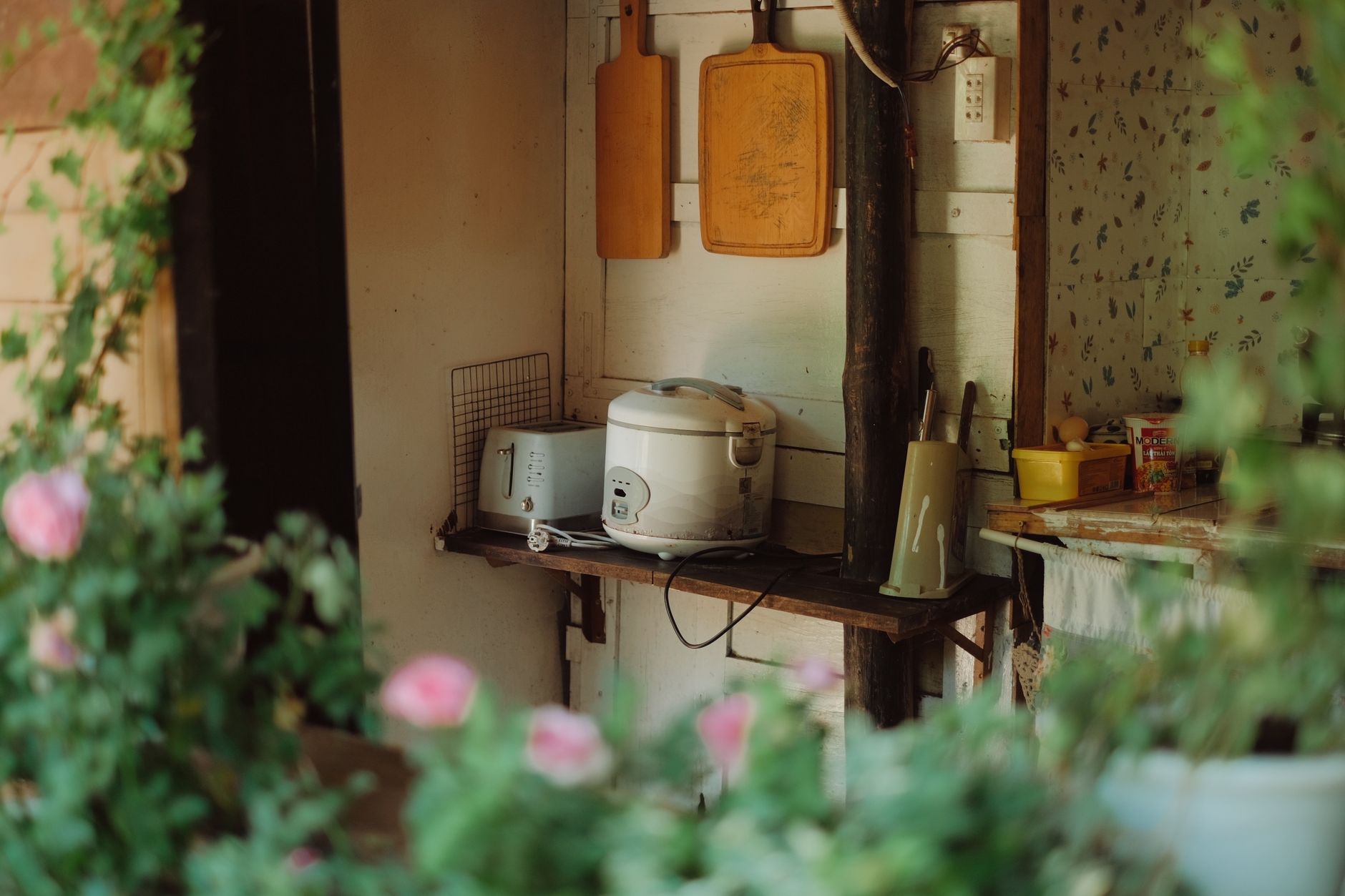
A rice cooker is a specialized kitchen appliance designed to automate the process of cooking rice, producing perfectly fluffy grains with minimal effort. This versatile tool not only cooks various types of rice but can also be used for steaming vegetables, cooking grains, and preparing soups, making it a staple in many kitchens worldwide.
Understanding the workings, benefits, and culinary uses of a rice cooker can elevate your cooking and meal prep. In this guide, we will explore its features, cooking techniques, types of rice suitable for different dishes, flavorful enhancements, and tips for maximizing your rice cooker.
What Is A Rice Cooker?
A rice cooker is an electrical appliance that cooks rice automatically by utilizing precise temperature controls and moisture retention strategies. It consists of a heating element, a cooking pot, and a thermostat that monitors the temperature inside the pot. Once the rice absorbs the necessary water and cooks, the thermostat detects this change and switches the rice cooker to a “keep warm” setting.
Benefits of Using a Rice Cooker
- Consistency: Achieve perfect rice every time with automated cooking cycles that adjust based on the type of rice used.
- Versatility: Cook other grains like quinoa, barley, and farro; steam vegetables; and even prepare soups and stews.
- Convenience: Set it and forget it; simply add the rice and water, and let the cooker do all the work.
- Energy Efficient: Uses less energy compared to cooking rice on the stove and can keep rice warm for hours without drying it out.
Types of Rice Cookers
Rice cookers come in various types to cater to different culinary needs. Here are the most common types:
1. Basic Rice Cookers
These are budget-friendly options that offer simple functionality. They usually have one switch to start cooking and an automatic “keep warm” feature. Ideal for those who primarily cook plain rice.
2. Multi-Cookers
Multi-cookers, such as the Instant Pot, include rice cooking functions along with pressure cooking, slow cooking, sautéing, and more. These are excellent for those who want an all-in-one appliance.
3. Induction Heating Rice Cookers
These advanced rice cookers use induction heating technology, allowing for more precise temperature control. This results in evenly cooked and flavorful rice. They often come with multiple cooking settings and can prepare different kinds of grains.
4. Micom Rice Cookers
Micom, or microcomputer rice cookers, feature digital controls and pre-programmed settings for various types of rice, allowing customization. They are more expensive but often yield superior results.
Choosing The Right Rice for Your Rice Cooker
Not all rice is the same, and the type you choose can affect the texture and flavor of your dish. Here are some popular varieties:
- Long-Grain Rice: Examples include Basmati and Jasmine. These varieties have a light, fluffy texture and are excellent for pilafs and stir-fries.
- Medium-Grain Rice: Arborio rice is known for its creaminess, especially in risottos. It tends to be more moist than long-grain rice.
- Short-Grain Rice: Sushi rice and other short-grain varieties are sticky, making them ideal for sushi and rice balls.
- Brown Rice: This whole grain is nuttier and chewier, requiring longer cooking time and more water than its white counterparts.
- Wild Rice: Though technically a grass, wild rice has a robust flavor and works well mixed with other rice varieties.
Innovative Culinary Uses of Rice Cookers
Rice cookers can be more than just a vessel for cooking rice. Here are some creative uses that can help you maximize the utility of this appliance:
Steaming Vegetables
Many rice cookers come with a steaming basket that allows you to steam vegetables while your rice is cooking. This saves time and keeps your meal healthy.
Cooking Grains
Use your rice cooker to prepare other grains like quinoa, barley, or even oats. Just adjust the water-to-grain ratio according to the specific grain’s requirements. For example, quinoa typically requires a 2:1 ratio of water to quinoa.
Baking Cakes
Believe it or not, rice cookers can also bake cakes! Pour in your cake batter and set the cooker to the appropriate setting. Expect a soft, moist texture ideal for sponge cakes and quick breads.
Cooking Rice in a Rice Cooker: A Step-by-Step Guide
Cooking rice in a rice cooker is straightforward. Here’s a detailed, step-by-step guide to help you achieve consistent results:
- Measure and Rinse: Use the measuring cup that comes with your rice cooker to measure uncooked rice. Rinse it under cold water until the water runs clear to remove excess starch.
- Water Ratio: Add water according to the rice type. For white rice, the typical water ratio is 1:1. For brown rice, it’s usually 1:1.5. Be sure to check your rice cooker’s manual for specific recommendations.
- Seasoning (Optional): Add salt or butter for flavor. A pinch of salt or a tablespoon of butter can elevate the taste of your rice.
- Cooking: Close the lid and press the cooking button. The cooker will automatically adjust the cooking time based on the type of rice.
- Resting Time: Once cooking is complete, fluff the rice with a fork and let it sit for about 10 minutes before serving to allow the steam to escape.
Enhancing Rice Flavor with Additional Ingredients
Elevate the flavor and nutrition of your rice by incorporating additional ingredients during cooking. Here are some ideas:
- Herbs and Spices: Consider adding bay leaves, cilantro, or a pinch of saffron for an aromatic touch.
- Broth Instead of Water: Use vegetable or chicken broth in place of water for added depth of flavor.
- Vegetables: Mixing in finely chopped vegetables, such as bell peppers or carrots, can enhance the nutrition and color of your rice.
- Coconut Milk: For a tropical twist, replace part of the water with coconut milk, resulting in a creamy and subtly sweet rice.
Common Mistakes When Using a Rice Cooker
Even with the best equipment, mistakes can happen. Here are a few common errors to avoid:
- Incorrect Water Ratios: Using too much or too little water can lead to burnt rice or mushy textures. Always consult your manual.
- Not Rinsing Rice: Forgetting to rinse rice can lead to overly sticky rice due to excess starch.
- Opening the Lid Too Soon: Resist the urge! Opening the lid during cooking can disrupt the steam process and affect cooking time.
Cooking Time and Temperature Guidelines
While cooking times vary based on the type of rice and the specific rice cooker, here are some general guidelines:
| Type of Rice | Cooking Time | Water Ratio |
|---|---|---|
| White Rice | 15-20 minutes | 1:1 |
| Brown Rice | 40-50 minutes | 1:1.5 |
| Wild Rice | 45-60 minutes | 1:3 |
| Quinoa | 15-20 minutes | 1:2 |
Storage and Reheating Rice
Properly storing and reheating leftover rice is essential for food safety. Follow these guidelines:
- Cooling: Allow rice to cool to room temperature within two hours of cooking. Refrigerate or freeze promptly.
- Storage: Store in an airtight container in the fridge for up to four days. For long-term storage, freeze for up to six months.
- Reheating: Reheat rice in the microwave or on the stove, adding a splash of water to prevent it from drying out. Ensure it reaches an internal temperature of 165°F.
Making the Most of Your Rice Cooker
To truly maximize your rice cooker, consider the following tips:
- Experiment with different grains to discover new flavors and textures.
- Utilize the steaming function for quick, healthy sides while your rice is cooking.
- Explore different cultural rice dishes to expand your culinary repertoire; for example, Persian saffron rice or Indian biryani.
- Adhere to the manufacturer’s instructions regarding maintenance and cleaning for longevity.
Whether you are a novice or an experienced home cook, a rice cooker can simplify your meal preparation. From achieving perfectly cooked rice to experimenting with other grains and dishes, the culinary possibilities are limitless.
For those new to cooking with a rice cooker, remember that patience is key. With practice, you’ll refine your techniques and discover the best rice varieties and enhancements to suit your taste.
For additional tips on rice cooking ratios, check out our guide on water requirements for rice. To explore a delicious Puerto Rican rice recipe that highlights the culinary versatility of a rice cooker, visit our page on Puerto Rican rice.