
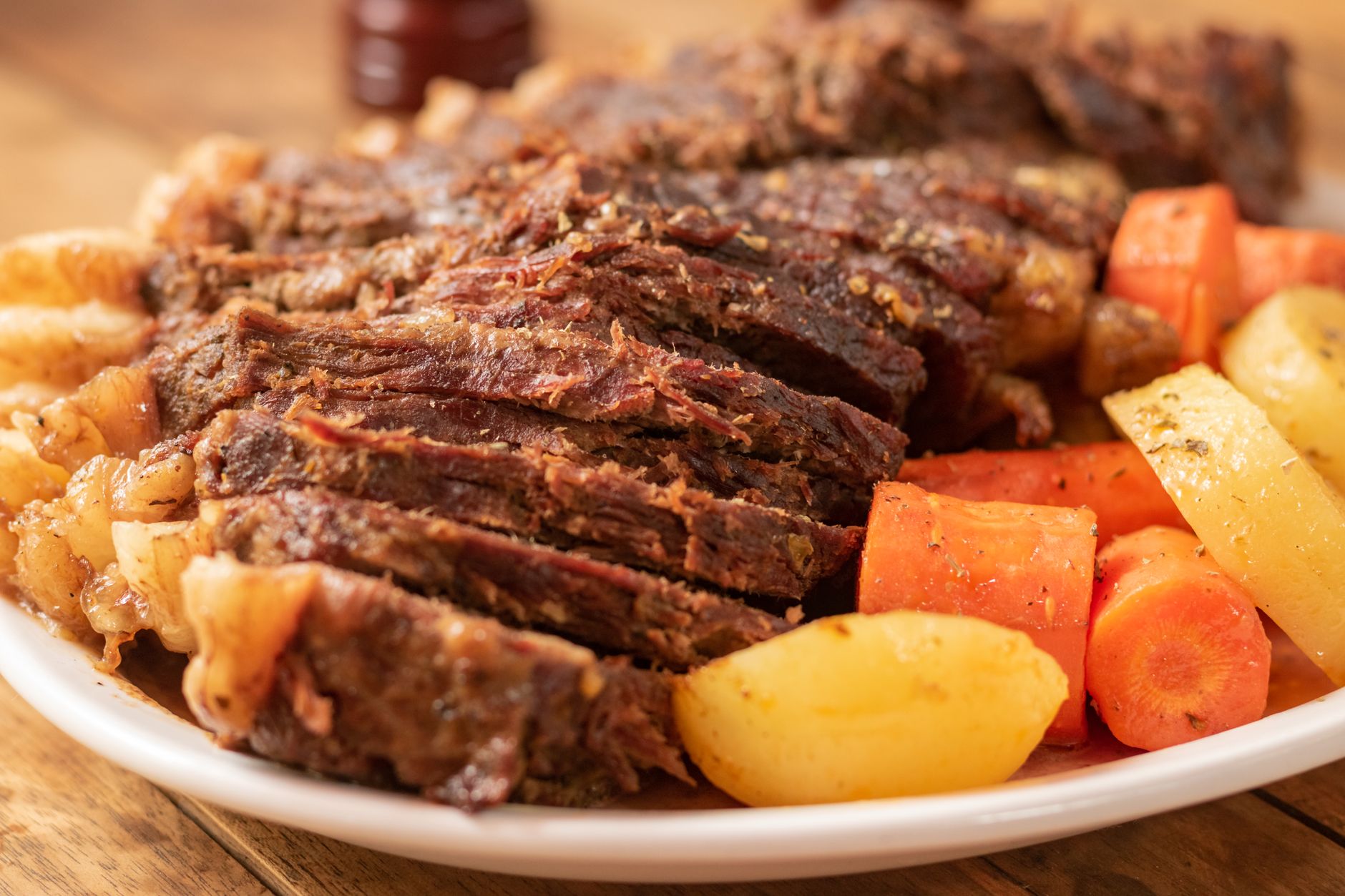
Pot roast is a classic comfort food that embodies the essence of slow cooking. This dish typically consists of a large cut of meat braised with vegetables, herbs, and broth until tender. The result is a rich, flavorful meal that can feed a crowd and fill your kitchen with mouthwatering aromas.
Often prepared for family gatherings or special occasions, pot roast is not just a meal; it’s a tradition. By understanding the preparation methods and cooking techniques, you can create a perfect pot roast that becomes a family favorite.
What Is a Pot Roast?
A pot roast is a large cut of beef that is slow-cooked with vegetables and seasonings, resulting in a dish that is incredibly tender and flavorful. Traditionally, tougher cuts of meat are used, which benefit from the low and slow cooking method, allowing collagen to break down and create a melt-in-your-mouth texture.
The most commonly used cuts for pot roast include chuck roast, brisket, and round roast. When cooked properly, these cuts yield a rich, hearty meal perfect for a cozy dinner.
Preparation of Pot Roast
Selecting the Right Cut of Meat
The success of your pot roast hinges largely on the cut of meat you choose. The following cuts are ideal:
- Chuck Roast: This is the most popular choice for pot roast due to its marbling and flavor. It becomes incredibly tender and has a rich taste.
- Brisket: Known for its flavor, brisket can be a bit fattier, giving you a juicy pot roast.
- Round Roast: This cut is leaner than the chuck but can be used if cooked carefully to avoid dryness.
Essential Equipment
To make a pot roast, you will need:
- Heavy-Duty Dutch Oven or Braising Pan: Ideal for even cooking and browning the meat.
- Knife and Cutting Board: For chopping vegetables and trimming the meat.
- Meat Thermometer: To ensure your roast is cooked to the desired doneness.
- Serving Spoon: For serving your delicious pot roast and vegetables.
Ingredient List
A basic pot roast recipe can include the following ingredients:
- 4 to 5 pounds of chuck roast or preferred cut
- 2 tablespoons of vegetable oil
- Salt and black pepper (to season)
- 1 large onion, sliced
- 4 cloves of garlic, minced
- 4 large carrots, cut into 2-inch pieces
- 3 stalks of celery, cut into 2-inch pieces
- 4 medium potatoes, quartered
- 2 cups beef broth or stock
- 1 cup red wine (optional)
- 2 teaspoons dried thyme
- 2 teaspoons dried rosemary
- 1 bay leaf
Cooking Techniques for Pot Roast
The cooking method for pot roast typically involves searing the meat and braising it slowly in the oven or on the stovetop. Here’s a step-by-step guide:
Step-by-Step Method
- Preheat the Oven: Preheat your oven to 300°F (150°C).
- Season the Meat: Generously season the roast with salt and black pepper on all sides.
- Heat the Oil: In a heavy-duty Dutch oven, heat the vegetable oil over medium-high heat until shimmering.
- Sear the Roast: Carefully place the roast in the pot and sear for about 4-5 minutes on each side until browned. Remove the roast and set aside.
- Sauté Aromatics: In the same pot, add the sliced onions and garlic. Sauté for 2-3 minutes until onions are translucent.
- Add Vegetables: Stir in the carrots, celery, and potatoes, cooking for an additional 5 minutes.
- Deglaze the Pot: Pour in red wine (if using), scraping the bottom of the pot to deglaze. Allow it to cook for 2-3 minutes.
- Return the Roast: Place the seared roast back into the pot. Add the beef broth, thyme, rosemary, and bay leaf. The liquid should cover about halfway up the roast.
- Braise the Roast: Cover the pot with a lid and transfer it to the preheated oven. Cook for about 3-4 hours, or until the meat is fork-tender and the internal temperature reads 190-205°F (88-96°C).
- Rest Before Serving: Once done, remove the pot from the oven and allow the roast to rest for 15-20 minutes before slicing. This helps retain the juices.
Serving Tips for Pot Roast
When serving pot roast, presentation can elevate the dining experience. Here are some ideas:
Plating the Dish
- Slices of pot roast can be placed on a large serving platter, surrounded by roasted vegetables.
- Drizzle with the rich cooking liquid or gravy for added flavor.
- Garnish with freshly chopped herbs, such as parsley or thyme, for a pop of color.
Accompaniments
Pair your pot roast with suitable side dishes to create a well-rounded meal:
- Mashed Potatoes: Creamy mashed potatoes complement the pot roast beautifully, acting as a vehicle for the gravy.
- Roasted Vegetables: Add seasonal roasted vegetables for additional texture and flavor.
- Crusty Bread: Serve with fresh, crusty bread to soak up the delicious juices.
Common Mistakes to Avoid
Even seasoned cooks can make small errors. Here are some common pitfalls to watch out for:
- Skipping the Searing: Searing the meat is essential for developing deeper flavors. Avoid cooking the roast without this step.
- Using Too High Heat: Cooking the roast at a high temperature can lead to tough meat. Always stick to low heat.
- Not Allowing Rest Time: Resting the meat allows the juices to redistribute; cutting too soon can result in a dry roast.
Variations and Substitutions
Pot roast is highly versatile, and you can customize it to suit your taste or dietary needs. Here are some suggestions:
Vegetarian Option
For a vegetarian version, use a large seitan or mushroom roast instead of beef, and substitute vegetable broth for the beef stock. You can mimic the flavors by using soy sauce or a beef-flavored seasoning.
Different Seasonings
Add variations to the standard seasoning. For example:
- Use Italian seasoning for a Mediterranean twist.
- Add a few tablespoons of BBQ sauce for a smoky flavor.
- Incorporate different herbs like oregano or basil for variety.
Cooking Liquid Alternatives
While beef broth is traditional, you can experiment with other liquids:
- Beer: Adds a unique depth of flavor to the dish.
- Apple Cider: For a subtle sweetness, particularly with pork roasts.
- Coconut Milk: Works well for a tropical twist with different seasonings.
Make-Ahead Guidance
Pot roast can be a great make-ahead meal. Here’s how to prepare in advance:
Cooking Ahead
You can cook the pot roast a day ahead. Store it in the refrigerator and reheat gently when ready to serve. The flavors often deepen overnight.
Freezing Options
Leftover pot roast freezes well. Place small portions in airtight containers and freezer bags. When reheating, thaw in the refrigerator overnight and heat gently on the stovetop or in the microwave, adding extra broth if needed to maintain moisture.
Storage and Reheating Guidelines
The way you store and reheat your pot roast is crucial to keeping it delicious:
Storage
Cool the pot roast completely before transferring it to an airtight container. It can be stored in the refrigerator for up to 3-4 days. Ensure the liquid covers the meat to keep it moist.
Reheating
When ready to reheat, follow these steps:
- Reheat in a Dutch oven over low heat, adding a splash of broth if necessary.
- If using a microwave, slice the roast before heating to ensure even warmth.
- Ensure that the internal temperature reaches at least 165°F (74°C) before serving.
Pot roast is a dish that brings comfort and satisfaction to any table. Its hearty flavors and melt-in-your-mouth texture create a meal that nurtures the body and soul. Learning to make a perfect pot roast can transform your cooking repertoire, making you a go-to source for family dinners.
If you’re looking for specific recipes like a Dutch oven pot roast recipe or need ideas for pot roast seasoning, be sure to check out this Dutch oven pot roast recipe or this pot roast seasoning recipe for flavorful enhancements!