
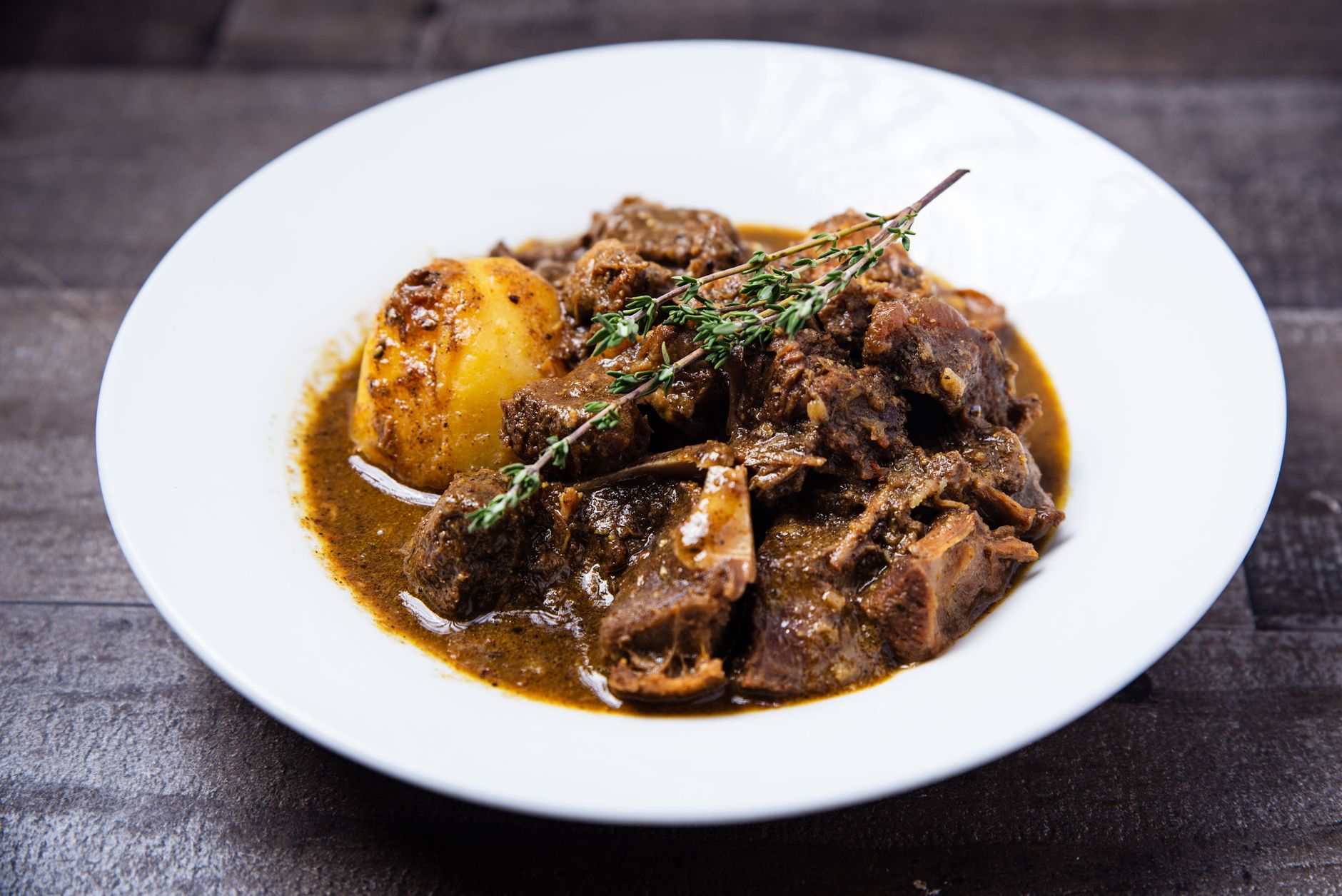
Oxtail is both an intriguing and delicious cut of meat that has gained popularity in various cuisines around the world. It comes from the tail of cattle and is particularly appreciated for its rich flavor and gelatinous texture, making it ideal for slow cooking methods such as braising and stewing.
This article explores what oxtail is, its flavor profile, how to prepare it, and ways to serve it, along with practical cooking tips and techniques to elevate your dishes.
What Is A Oxtail?
Oxtail refers to the tail of cattle, specifically beef cattle. Traditionally, it was considered a less desirable cut of meat, but over time, it has become a sought-after ingredient in many culinary traditions. The meat is unique due to its high collagen content, which breaks down during cooking to create a rich, flavorful broth.
Flavor and Texture of Oxtail
The flavor of oxtail is deep and beefy, enhanced by its inherent fat content. This fattiness ensures that it remains tender and juicy even after long cooking times. The texture is gelatinous, resulting from the rich Collagen that melts into the surrounding liquid, creating a beautiful mouthfeel. Oxtail is often praised for making flavorful soups, stews, and sauces.
Cooking with Oxtail
Oxtail is incredibly versatile, but its best qualities are brought out through slow cooking methods. Here are the most common culinary techniques for cooking oxtail:
Braising
Braising is a cooking method that combines both dry and wet heat. Oxtail is first seared in a hot pan to develop flavor, then it is cooked slowly in liquid over low heat. This method allows the collagen in the oxtail to dissolve and create a rich, savory broth.
Slow Cooking
Using a slow cooker is an excellent way to prepare oxtail. This method maximizes flavor and tenderness by cooking the meat slowly over several hours. Ideal for busy schedules, slow cooking allows you to set it and forget it.
Pressure Cooking
For those in a hurry, pressure cooking can also be effectively used for oxtail. This method significantly reduces cooking time while still achieving tender results. You’ll want to be mindful of the cooking time, as overcooking can lead to mushy meat.
How to Prepare Oxtail
Before cooking, it’s essential to properly prepare oxtail to maximize its flavor and tenderness. Follow these steps:
- Select High-Quality Oxtail: Choose fresh oxtail from a reliable butcher or grocery store. Look for pieces with good marbling and a bright color.
- Trim Excess Fat: While some fat is necessary for flavor, trim off any excessive fat to avoid greasiness in your final dish.
- Soak (Optional): Some cooks prefer to soak oxtail in cold water for a few hours to remove impurities. This is optional but can enhance clarity in soups or stews.
- Season: Generously season the oxtail with salt and pepper or a marinade of your choice to enhance the flavor.
Ingredients for Oxtail Dishes
When cooking oxtail, creating a balance of ingredients can elevate your dish significantly. Here’s a list of common ingredients used in oxtail recipes:
- Oxtail (2-3 pounds)
- Onions (2 medium, chopped)
- Carrots (2 medium, chopped)
- Celery (2 stalks, chopped)
- Garlic (4 cloves, minced)
- Tomato paste (2 tablespoons)
- Red wine or beef broth (4 cups)
- Herbs (such as thyme, rosemary, or bay leaves)
- Salt and black pepper (to taste)
- Olive oil (for searing)
- Optional: potatoes or other vegetables (for a heartier stew)
Serving Suggestions for Oxtail
Oxtail can be served in several delicious ways. Here are some serving suggestions:
Oxtail Stew
Oxtail stew is perhaps the most common preparation. After cooking, serve the stew in bowls with some crusty bread for dipping. Garnish with chopped fresh herbs for a pop of color and flavor.
Oxtail Soup
For a comforting soup, strain the broth following cooking and serve the liquid as soup, adding noodles or vegetables as desired. This dish pairs wonderfully with a light salad.
Oxtail Tacos
Shredded oxtail can be stuffed into tacos. Top with avocado, cilantro, and onion for a delightful twist. These tacos are perfect for casual gatherings.
Oxtail Ragu
Slow-cooked oxtail can also be shredded and mixed into a ragu sauce for pasta. Toss your favorite pasta in the ragu and garnish with cheese for a satisfying meal.
Common Mistakes and Troubleshooting
Cooking oxtail can be simple, but common mistakes can lessen the dish’s quality. Here are some tips to avoid pitfalls:
Overcooking: While oxtail benefits from long cooking times, be careful not to overdo it. This can lead to mushy meat. Aim to cook until tender yet still intact.
Inadequate Seasoning: Oxtail has a strong flavor, so under-seasoning can lead to a bland dish. Taste your broth and adjust seasoning as needed throughout cooking.
Not Skimming Fat: After cooking, the broth may have a layer of fat. Skim the fat off before serving for a cleaner taste and mouthfeel.
Make-Ahead and Storage Tips
Oxtail dishes can be made ahead of time, making them perfect for meal prep. Here are some guidelines for storing and reheating:
Make-Ahead
Oxtail soups and stews can be prepared a day in advance. The flavors will deepen and improve overnight. Allow the dish to cool completely, then store in the refrigerator for up to three days.
Freezing
Oxtail dishes can also be frozen. Ensure the dish is cooled and packed in airtight containers or freezer bags. It can last in the freezer for up to three months. Thaw in the refrigerator overnight before reheating.
Reheating
When reheating, do so gently. If the dish appears too thick after refrigerating, add a bit of broth or water to help restore the desired consistency. Heat slowly on the stovetop or in the microwave until warmed through.
Substitutions and Variations
While oxtail is unique, there are some substitutions and variations to consider based on availability and preference:
- Beef Shank: A good alternative if oxtail is unavailable. It has similar tough, connective tissues and will yield rich flavors.
- Short Ribs: Another flavorful option that also breaks down well when cooked slowly.
- Vegetable Broth: For a vegetarian variation, consider using a combination of hearty vegetables, lentils, and spices.
Regional Variations of Oxtail Dishes
Oxtail is featured in various culinary traditions, each offering a unique twist on this ingredient:
Italian Cuisine
In Italy, oxtail is commonly used in a dish called “Coda alla Vaccinara,” where the oxtail is slow-cooked with spices, vegetables, and tomato sauce.
Caribbean Cuisine
In Caribbean cooking, oxtail is often braised with spices like allspice and mixed with beans or served over rice, creating a hearty, flavorful meal.
Asian Cuisine
In Korean cuisine, oxtail soup (kkori gomtang) is a popular dish, prized for its rich flavor and served with rice and side dishes.
Final Thoughts
Understanding oxtail can enhance your cooking repertoire and offer hearty, flavorful dishes that are perfect for various occasions. Experiment with different cooking methods and flavor profiles to discover your favorite way to enjoy this unique ingredient.
For those looking to further explore related topics, try diving into tips on medium-rare steak or exploring marinades for meat to enrich your cooking sessions.