
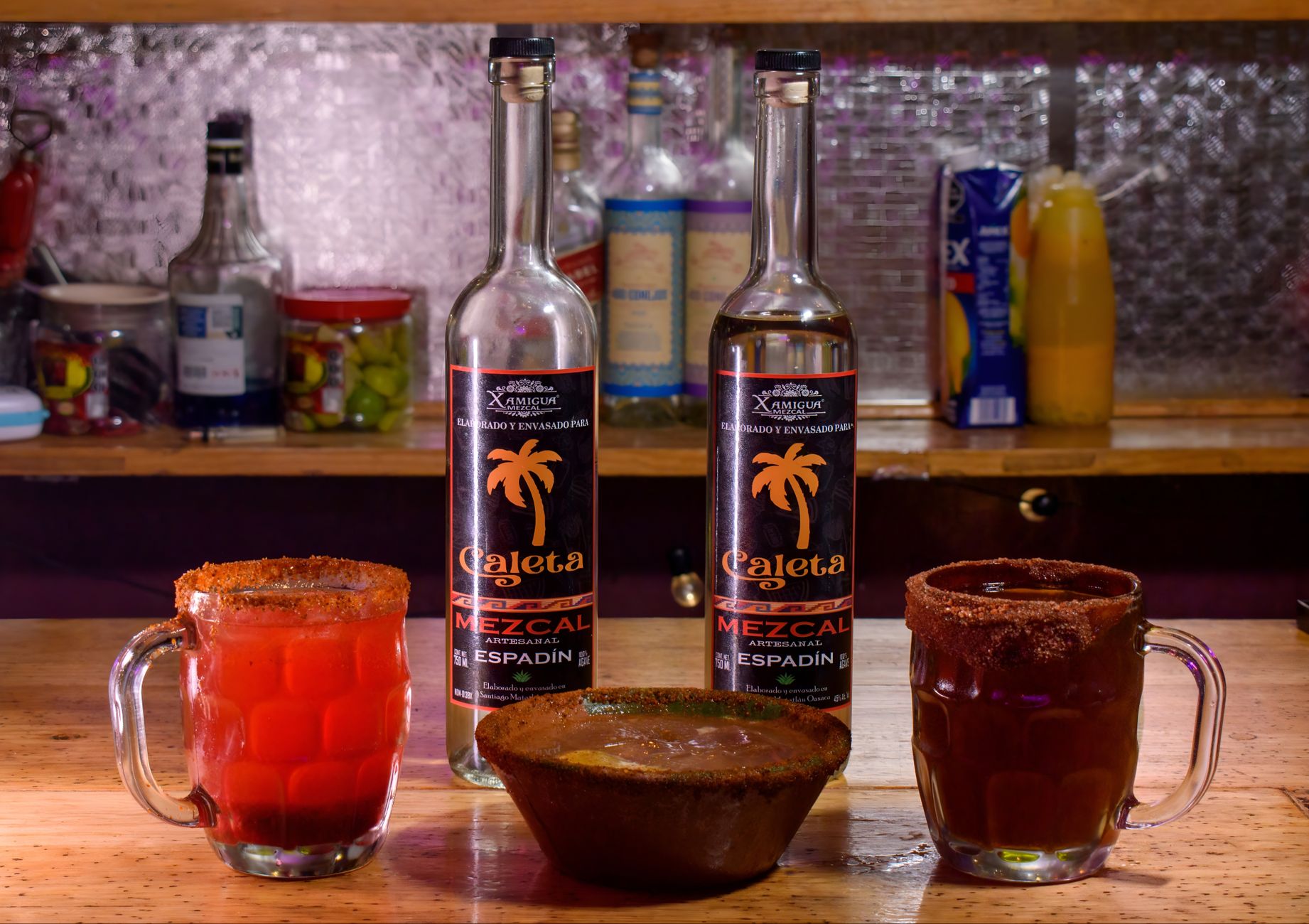
Mezcal is a traditional Mexican spirit known for its smoky flavor and artisanal production methods. While often overshadowed by tequila, mezcal offers a diverse range of flavors that reflect the unique types of agave used and the traditional techniques employed during distillation. Understanding mezcal will enhance your appreciation for this versatile spirit and its role in cocktails or sipping neat.
This article explores the ingredients used to create mezcal, its distinctive flavors, and how best to serve and enjoy it. Whether you’re curious about its production process or looking to incorporate it into your home bar, this guide covers all you need to know.
What Is a Mezcal?
Mezcal is a distilled alcoholic beverage made primarily from the agave plant. While tequila is considered a type of mezcal—you can think of mezcal as a broader category encompassing many styles and flavors. Most importantly, mezcal differs from tequila in that it can be produced from various agave species, giving it a rich and varied flavor profile.
Ingredients Used in Mezcal Production
The primary ingredient in mezcal is the agave plant. Over 30 varieties of agave can be used to produce mezcal, with Espadin being the most common. Below are some key components in the mezcal-making process:
- Agave: The heart of the mezcal, known as the piña, is harvested from the agave plant. Different agave types lend different flavors, making the choice of agave essential to the final product.
- Water: Pure water is crucial in the fermentation and distillation processes.
- Yeast: Often naturally occurring wild yeasts are used for fermentation, although some producers may add commercial yeasts to control the process.
The Mezcal Production Process
Mezcal production takes place through several traditional methods that can vary significantly from producer to producer. Here’s an overview of the steps involved in crafting mezcal:
- Harvesting: Agave plants are typically harvested between 7 to 25 years after planting, depending on the species. The skilled harvester, known as a “jimador,” removes the leaves to expose the piña.
- Cooking: The piñas are then cooked, usually in an underground pit lined with stones. This slow cooking process caramelizes the sugars and imparts a smoky flavor, which is a defining characteristic of mezcal.
- Fermentation: After cooking, the agave is crushed and mixed with water, allowing the natural yeasts to ferment the sugars into alcohol. Fermentation can last several days to weeks, depending on the environmental conditions.
- Distillation: After fermentation, the liquid is distilled, often in pot stills. This process may happen twice to increase the alcohol content and refine the flavors.
- Aging: Depending on the desired product, mezcal can be bottled immediately (known as joven or “young”), or it can be aged in wooden barrels, which imparts additional flavors and characteristics. Aging categories include reposado (aged about 2 months to 1 year) and añejo (aged over a year).
Flavor Profile of Mezcal
Mezcal is renowned for its complex flavor profile, often noted for its smokiness derived from the cooking method of the agave. Here are some common flavor components and characteristics of mezcal:
- Smoky: The most recognizable flavor characteristic, which can vary in intensity based on the cooking duration and techniques used.
- Earthy: Many mezcals show a depth of earthy flavors reflecting the soil and environment they were grown in.
- Fruity: Some varieties may display notes of tropical or stone fruits, contributing to the overall complexity.
- Herbaceous: A common element in many mezcals, herbal qualities add freshness and brightness.
- Sweetness: The natural sugars from the agave create a hint of sweetness that balances out the smoky and earthy flavors.
Types of Mezcal
The world of mezcal is diverse, and it can be categorized based on the agave used, production methods, and even geography. Here are some notable types:
- Espadin: The most common and widely recognized type, characterized by its balance of sweetness and smokiness.
- Tobala: A lesser-known agave that is often more floral and herbal with a delicate flavor profile.
- Tepeztate: This rare variety has a bold and intense flavor, typically aging for a long time before harvesting.
- Jabalí: Known for its wild and complex flavors, it is hard to cultivate and thus often found in small batch productions.
How to Serve Mezcal
Mezcal can be enjoyed in various ways, depending on personal preference and the specific characteristics of the mezcal. Here are some serving suggestions:
Sipping Neat
The purest way to experience mezcal’s flavors is to sip it neat. Here are tips for enjoying mezcal this way:
- Use a small glass like a copita to focus the aroma and enhance the drinking experience.
- Allow the mezcal to warm slightly in your hand to release its aromatics before sipping.
- Take small sips to fully appreciate the complex flavors and aromas.
In Cocktails
Mezcal can also elevate a variety of cocktails, thanks to its distinct flavors. Here are a couple of popular ways to incorporate mezcal:
- Mezcal Margarita: Substitute mezcal for tequila in a classic margarita recipe for a smoky twist. Check out our Mezcal Margarita Recipe for a detailed guide.
- Mezcalita: A variation that often incorporates fresh ingredients and citrus flavors. For a delightful twist, try our Mezcalita Recipe.
Pairing with Food
Mezcal pairs beautifully with various foods, complementing their flavors. Here are a few pairing suggestions:
- Grilled meats: The smoky notes in mezcal harmonize with the charred flavors of grilled dishes.
- Spicy foods: Mezcal’s sweetness can help temper the heat from spicy cuisines.
- Cured cheeses: The rich, creamy texture of cheese balances mezcal’s bold flavors.
Common Mistakes When Drinking Mezcal
While enjoying mezcal is straightforward, there are a few common mistakes to avoid:
- Drinking too fast: Take your time with mezcal to appreciate its complexity.
- Mixing with overpowering flavors: If used in cocktails, opt for lighter mixers that won’t mask mezcal’s unique taste.
- Serving too cold: Chilling mezcal can dull its flavors. Enjoy it at room temperature or with a single ice cube.
Storing Mezcal
Proper storage is important to maintain the quality of mezcal. Here’s how to ensure it stays flavorful:
- Keep the bottle upright to minimize oxidation and avoid leaking.
- Store in a cool, dark place away from sunlight and heat sources.
- Once opened, mezcal can last for years but aim to consume it within a few years for optimal flavor.
Final Thoughts on Mezcal
From its diverse varieties to its intricate production methods, mezcal is a fascinating spirit with rich aromas and flavors. Whether sipped neat or used in cocktails, it has an identity as unique as its crafting techniques. Understanding mezcal enhances your experience, turning each sip into a celebration of culture and craftsmanship.
If you want to explore the versatility of mezcal further, dive into recipes and craft cocktails that celebrate this wonderful spirit. Be sure to check out our Mezcalita Recipe and Mezcal Margarita Recipe for enjoyable applications of this artisanal drink.