
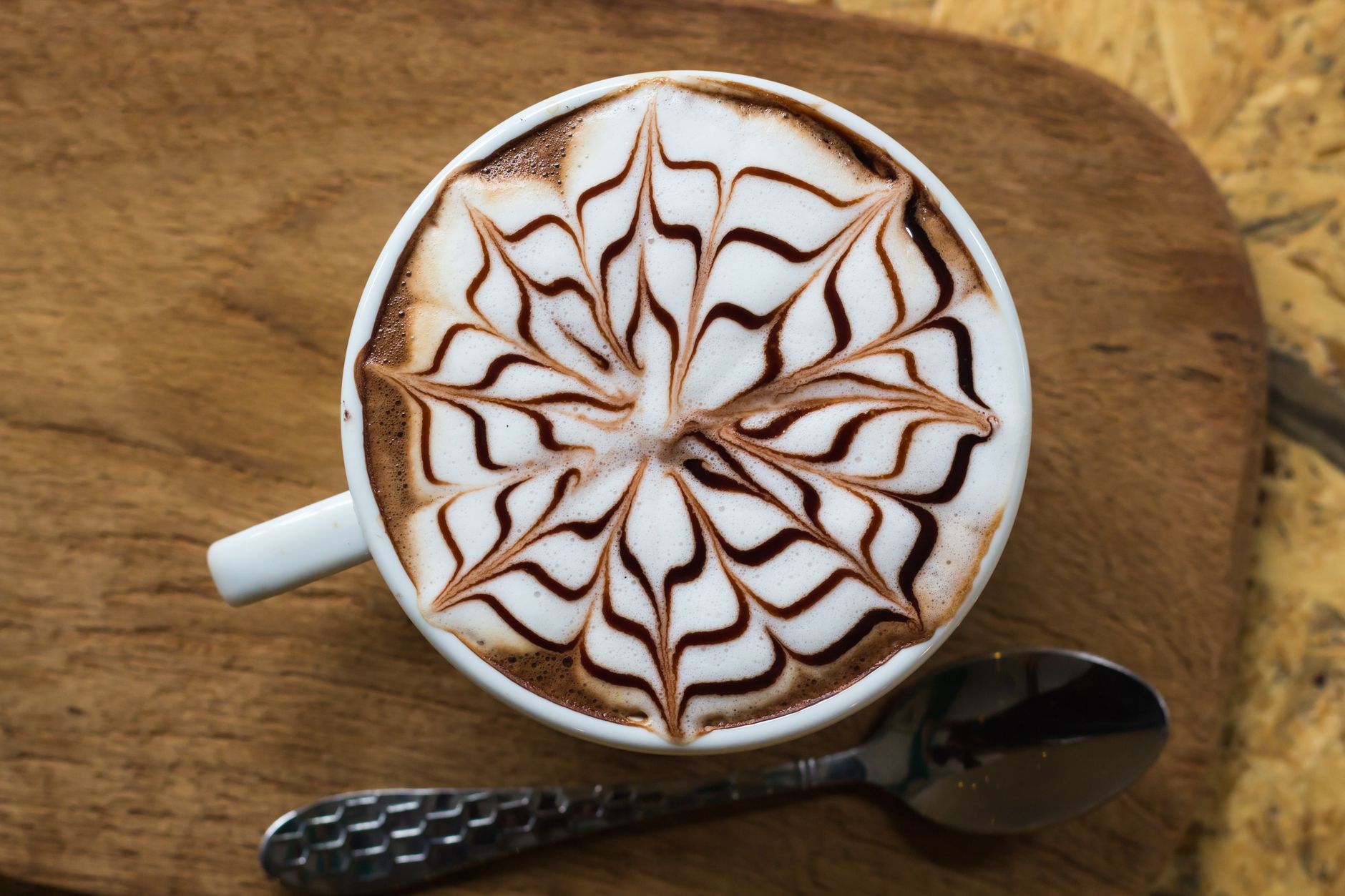
Fee foam, often referred to as simply “foam,” is a modern culinary technique used to create airy, light textures that enhance both the presentation and mouthfeel of various dishes. This ingredient has gained popularity in fine dining and molecular gastronomy, transforming traditional foods into innovative dining experiences. Understanding fee foam’s ingredients, flavor profiles, and serving methods can elevate your cooking and impress your guests.
This article will explore what fee foam is, its components, how it is made, and practical ways to use it in your culinary creations. Whether you’re looking to add a unique twist to a dish or simply want to learn about this modern technique, you’re in the right place.
What Is Fee Foam?
Fee foam is a culinary foam that is created by incorporating air into a liquid mixture, often using a whipping siphon or a blender. The process results in a light, frothy texture that can be flavored in various ways, making it suitable for both savory and sweet dishes. Fee foam is known for its ability to add a new dimension to presentations, making dishes appear more sophisticated and appealing.
Ingredients of Fee Foam
The main components of fee foam typically include the following:
- Liquid Base: This can be any number of liquids such as juices, broths, cream, or flavored stocks. The choice of liquid directly influences the flavor profile of the foam.
- Stabilizers: Ingredients like gelatin, xanthan gum, or agar-agar can be added to help stabilize the foam and maintain its structure.
- Air: Air is the crucial element that transforms the liquid into foam. This is achieved through the use of tools such as an immersion blender, a whipping siphon, or even manual whisking.
- Flavoring agents: Herbs, spices, or extracts can be incorporated into the liquid base to enhance flavor and create a unique foam experience.
Common Stabilizers Used in Fee Foam
Stabilizers play a vital role in ensuring that the foam maintains its structure for an extended time. Below are some common options:
- Gelatin: A popular choice for foams that require a firmer texture. It should be bloomed before integrating into the liquid.
- Xanthan Gum: A gluten-free thickener that can be added directly to the liquid and blended, creating a stable foam.
- Agar-Agar: A vegan alternative to gelatin, ideal for those who follow plant-based diets. It usually needs to be dissolved in boiling water before being mixed into the liquid.
Flavor Profiles of Fee Foam
Fee foam can be tailored to complement a wide range of dishes. The flavor of the foam depends on the base liquid and any additional flavoring agents used. Here are some popular flavor combinations:
- Citrus Foams: Made with lemon or lime juice, these bright flavors pair beautifully with seafood dishes or desserts.
- Herb Foams: A foam using basil or mint, which can refreshingly accompany meats or salads.
- Spicy Foams: Incorporating chili or hot sauce in the base for a kick, perfect for adding an unexpected twist to savory dishes.
- Sweet Foams: Flavored with vanilla, chocolate, or fruit purees to enhance desserts.
How to Make Fee Foam
Creating fee foam at home is a straightforward process if you have the right ingredients and tools. Below are two popular methods: using a whipping siphon and an immersion blender.
Method 1: Using a Whipping Siphon
A whipping siphon is a specialized tool that allows you to create foams quickly. Here’s how to use it:
- Prepare Your Liquid: Combine your chosen liquid base, stabilizers, and flavoring agents in a bowl. Mix well until all components are dissolved.
- Fill the Siphon: Pour the prepared mixture into the whipping siphon, ensuring you do not exceed the maximum fill line.
- Add a Charger: Attach a gas charger to the siphon. Shake the siphon vigorously for about 30 seconds to ensure the gas is evenly incorporated.
- Dispense the Foam: Hold the siphon upside down and gently press the lever to release the foam. Aim for a height above the dish for presentation.
Method 2: Using an Immersion Blender
This method is ideal for those without a siphon. Here’s how to create foam using an immersion blender:
- Combine Ingredients: In a tall container, mix your liquid base, stabilizers, and flavoring agents until combined.
- Blend: Immerse the blender into the mixture and turn it on. Move it up and down to incorporate air until frothy.
- Serve Immediately: Use a spoon or spatula to scoop out the foam and place it atop your dish.
Common Mistakes and Troubleshooting
When making fee foam, there are a few common pitfalls to be aware of, along with tips to rectify them:
- Poor Foam Stability: If your foam collapses quickly, check the amount or type of stabilizer used. Adding a bit more stabilizer can help maintain its structure.
- Flavor Issues: Ensure that the flavors of the base are balanced. Sometimes, adding a pinch of salt can help enhance and round out flavors.
- Too Much Air Incorporated: If the foam is overly airy and lacks substance, try reducing the blending time or adjusting the speed to incorporate less air.
Serving Suggestions
Fee foam adds a unique touch to both the appearance and texture of dishes. Here are several ideas for incorporating foam into your culinary presentations:
- On Soups: A citrus foam can elevate a simple vegetable soup, adding a zesty aroma and flavor contrast.
- As a Garnish: Use spicy foam atop grilled meats or seafood for an eye-catching, flavorful element.
- With Desserts: Sweet foams can replace whipped cream, providing a lighter, airier option for cakes, pastries, and ice creams.
Variations of Fee Foam
Experimentation is a fundamental aspect of cooking, and fee foam is no exception. Here are some ideas for variations:
- Carbonated Foam: Incorporate carbonated liquids like soda or tonic water to create a fizzing foam that adds a fun twist to your beverages.
- Layered Foams: Create multiple flavored foams and layer them in a glass for an attractive presentation.
- Vegetable-Based Foams: Use vegetable purees instead of liquids to create unique, savory foams perfect for accompanying main dishes.
Storage and Make-Ahead Guidance
Fee foam is best served fresh for optimal texture and flavor. However, in busy kitchens, it is vital to know how to manage your time effectively:
- Make-Ahead: You can prepare the base liquid and stabilizers in advance; store them in the fridge until you are ready to foam.
- Storage: If you need to store leftover foam, use an airtight container. It is advised to consume it within a few hours as foams will lose their texture over time.
Conclusion
Fee foam is a versatile and exciting technique that can elevate your cooking and presentation. With the right ingredients and tools, you can create delightful foams that enhance both flavor and texture. Whether you use a whipping siphon or an immersion blender, understanding how to make and serve fee foam opens up a world of culinary possibilities.
To continue expanding your culinary skills, explore our detailed guides on oil substitutions or discover a delightful chia pudding recipe with coconut milk.