
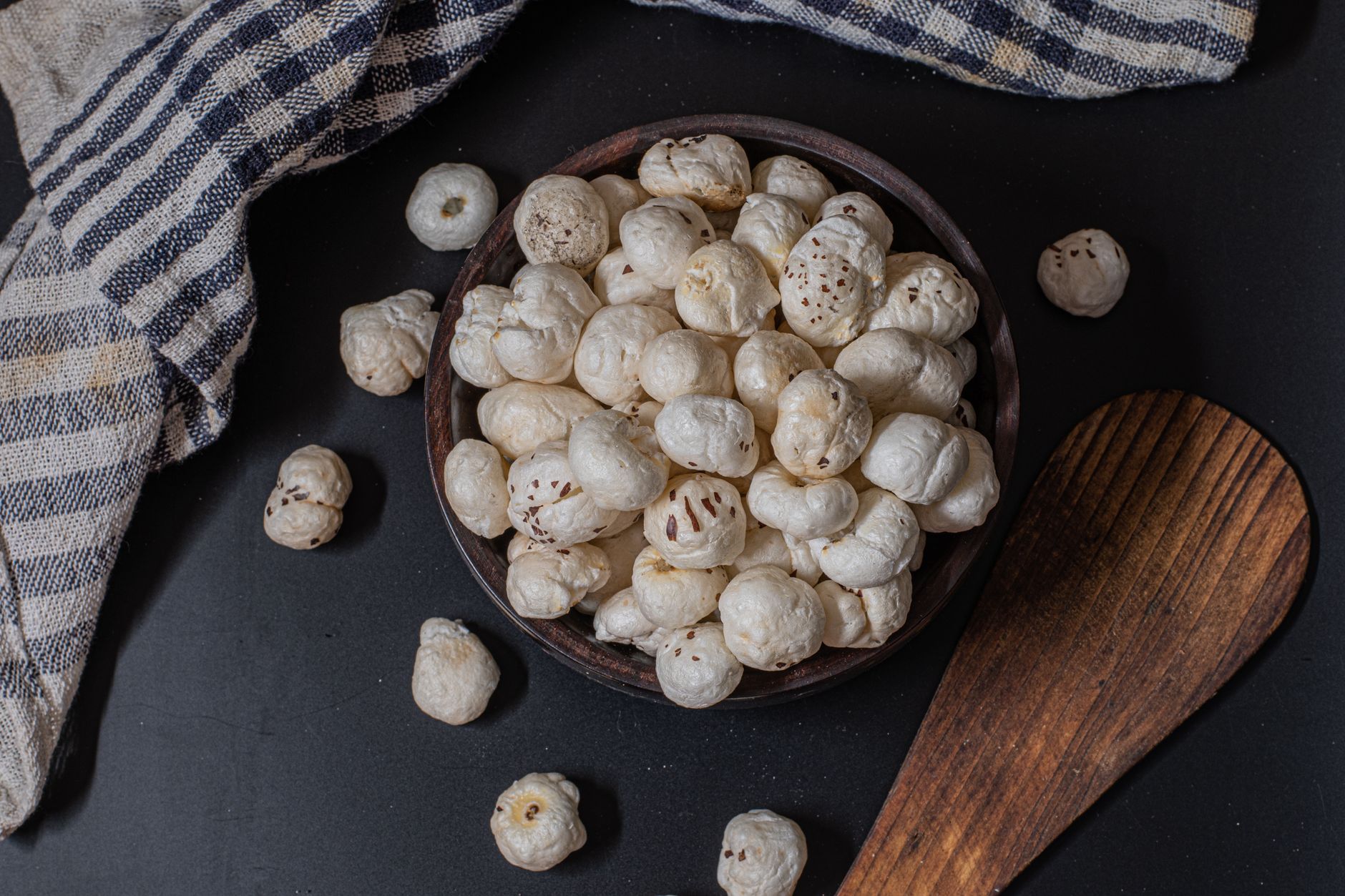
Low-calorie snacks have become increasingly popular for those looking to maintain a healthy lifestyle while still enjoying delicious foods. These snacks are typically lower in calories and often packed with nutrients, making them a mindful choice for satisfying hunger without overindulging. They can also be a great addition to meal planning, serving as a bridge between meals to help manage hunger and cravings.
Understanding what constitutes a low-calorie snack, how to portion them effectively, and their nutritional benefits can empower you to make better choices that align with your dietary goals. Let’s explore the world of low-calorie snacks to discover the best options for snacking without guilt.
What Is a Low Calorie Snack?
A low-calorie snack is generally considered to be any snack that provides a relatively low number of calories per serving. Typically, snacks that fall below 100 calories are categorized as low calorie, but this can vary based on individual dietary needs and goals. These snacks often focus on nutrient density, meaning they deliver significant vitamins, minerals, and other essential nutrients without a high caloric count.
Examples of low-calorie snacks include fruits, vegetables, lean proteins, or whole grains, each contributing different nutritional benefits. By incorporating low-calorie snacks into your diet, you can maintain your energy levels throughout the day without feeling weighed down.
Nutritional Benefits of Low Calorie Snacks
Choosing low-calorie snacks can offer various nutritional benefits that contribute to overall health. Here are some of the key advantages:
- Weight Management: Low-calorie snacks help in managing portion sizes and overall caloric intake, making it easier to reach or maintain a healthy weight.
- Increased Nutrient Intake: Many low-calorie snacks are rich in vitamins and minerals. Including foods like fruits and vegetables can boost your intake of essential nutrients.
- Balanced Energy Levels: Snacking healthily can prevent blood sugar spikes and crashes, helping you to maintain steady energy throughout the day.
- Improved Satiety: Protein-rich low-calorie snacks can keep you feeling full longer, which can prevent overeating at meal times.
Portion Control for Low Calorie Snacks
Portion control is essential when it comes to enjoying low-calorie snacks. Overindulging, even on healthier options, can lead to consuming more calories than intended. Here are some practical tips for managing portions:
- Use Measuring Tools: Use measuring cups, spoons, or a food scale to help portion out snacks. This can help you gain a better understanding of serving sizes.
- Pre-pack Snacks: Portion snacks into individual containers or bags to avoid mindless munching directly from larger packages.
- Mindful Eating: Take the time to enjoy your snacks without distractions, focusing on the flavors and textures. This can help prevent overeating.
- Set Limits: If snacking on calorie-dense foods, such as nuts or trail mixes, create a limit for how much you’ll consume before you start.
Popular Low Calorie Snack Options
When it comes to low-calorie snacks, the options are plentiful. Here’s a breakdown of some popular choices across different categories:
Fruits
- Fresh Berries: Strawberries, blueberries, and raspberries are not only delicious but also low in calories and high in antioxidants.
- Slices of Apples or Pears: Pair with a small amount of nut butter for added protein and healthy fats.
- Cucumbers: Crisp and refreshing, they provide hydration and fiber with very few calories.
Vegetables
- Carrot Sticks: Carrots are crunchy and sweet, perfect for dipping into low-calorie dips like hummus or yogurt.
- Celery Sticks: With very few calories, celery can also be topped with nut butter or cream cheese for minimal additional calories.
- Cherry Tomatoes: These bite-sized treats are full of flavor and ideal for snacking on their own or with a sprinkle of salt.
Dairy and Protein Snacks
- Greek Yogurt: A low-calorie, high-protein option that can be paired with fruits or nuts for added flavor.
- Cottage Cheese: Low in calories and high in protein, it can be eaten plain or mixed with fruits or savory toppings. You might want to try a cottage cheese dip recipe for varied snacking.
- Hard-Boiled Eggs: These are protein-rich and can keep you satisfied longer, especially when paired with vegetables.
Whole Grains and Snacks
- Rice Cakes: A low-calorie alternative to bread, these can be topped with nut butter, avocado, or cheese.
- Popcorn: When air-popped and lightly seasoned, popcorn is a fiber-rich snack option that is low in calories.
- Whole Grain Crackers: Choose whole grain or seed varieties for more fiber and nutrients.
Nutritious Dips
- Hummus: This chickpea-based dip is a great source of protein and pairs well with fresh veggies. Opt for a low-calorie recipe to keep the count down.
- Yogurt Dips: Mix plain Greek yogurt with herbs and spices for a refreshing dip that is lower in calories than traditional creamy dips.
Making Your Own Low Calorie Snacks
Preparing your own low-calorie snacks allows you to control ingredients and portions. Here are some simple recipes to try:
Homemade Veggie Chips
Transform your favorite vegetables into crispy chips for a satisfying snack.
- Ingredients:
- 1 medium zucchini
- 1 tablespoon olive oil
- Salt to taste
Preparation: Preheat your oven to 225°F (107°C). Slice the zucchini thinly and toss with olive oil and salt. Spread evenly on a baking sheet and bake for 2 hours or until crispy, flipping halfway through. Allow to cool before enjoying.
Fruit and Nut Energy Bites
These bites are not only nutritious but also easy to grab and go.
- Ingredients:
- 1 cup rolled oats
- 1/2 cup almond butter or peanut butter
- 1/3 cup honey
- 1/2 cup dark chocolate chips or dried fruit
Preparation: Combine all ingredients in a large bowl. Once mixed, refrigerate for 30 minutes. Use your hands to form small balls. Store in an airtight container in the fridge for up to one week.
Tips for Choosing Low Calorie Snacks
When selecting low-calorie snacks ready-made or in grocery stores, keep these tips in mind:
- Read Nutrition Labels: Pay attention to serving sizes and calorie counts when purchasing pre-packaged snacks.
- Look for Whole Ingredients: Choose snacks made with few ingredients and avoid added sugars or preservatives where possible.
- Portion Control: Many packaged snacks may seem low in calories, but the portions can be much smaller than expected.
Common Mistakes with Low Calorie Snacking
There are some common pitfalls people face when it comes to snacking low-calorie. Here are a few mistakes to avoid:
- Overlooking Caloric Density: Snacks such as nuts and seeds are healthy but can be high in calories. It’s essential to balance these with lower-calorie options.
- Relying on Processed Low-Calorie Snacks: Many commercially available low-calorie snacks can be high in sodium, sugars, and unhealthy fats.
- Skipping Protein: Focusing solely on low-calorie fruits and veggies may leave you feeling hungry. Ensure a balance of protein with your snacks.
Storing and Preparing Low Calorie Snacks
Proper storage of low-calorie snacks is essential for maintaining freshness and flavor. Here are some storage tips:
- Fresh Produce: Store fruits and vegetables in the refrigerator to prolong their shelf life.
- Dips: Keep dips in airtight containers and consume them within a week for the best quality.
- Snacks on the Go: Pre-portion and store snacks in grab-and-go containers or small bags for convenience.
Conclusion
Choosing low-calorie snacks is a smart strategy for maintaining energy levels and supporting overall health without excess calories. Understanding portion sizes, nutritional benefits, and ingredient choices can help you make informed snacking decisions. By incorporating a variety of fresh fruits, vegetables, protein-rich foods, and homemade options, you can satisfy your cravings while remaining aligned with your dietary goals.
To further enhance your snacking repertoire, consider trying a cottage cheese dip recipe for a customized snack or indulge in the delightful flavors of protein brownies that satisfy sweet cravings with lower calories. Explore these options and keep your snacking both nutritious and enjoyable.