
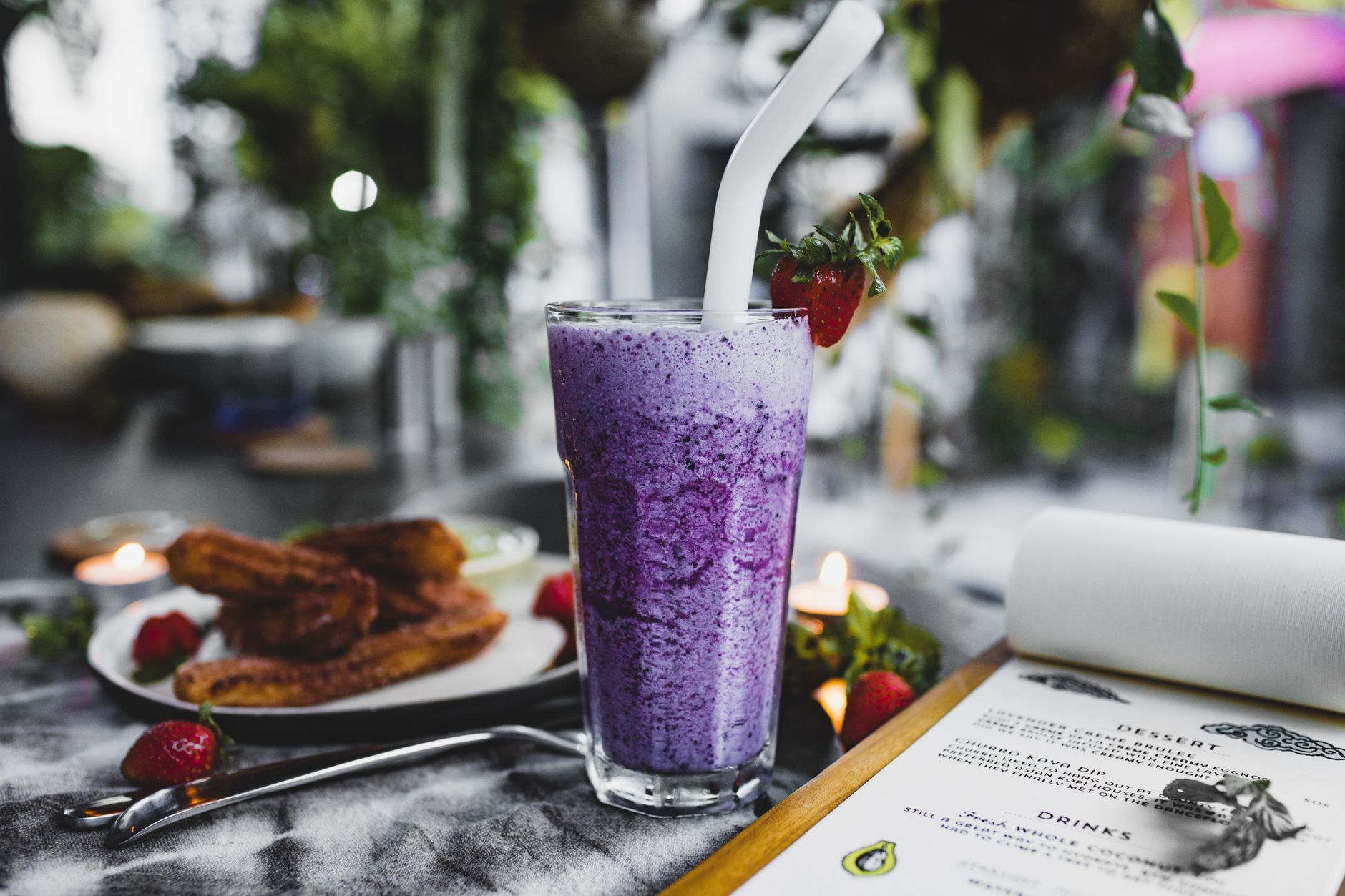
A dopamine menu is a curated selection of foods designed to enhance dopamine levels in the body, promoting feelings of happiness, motivation, and pleasure. It consists of nutrient-rich ingredients that are known to boost mood and mental well-being.
This concept has gained popularity as more people seek to improve their mental health through dietary choices. Understanding how to create and implement a dopamine menu can lead to better overall wellness.
What Is a Dopamine Menu?
A dopamine menu incorporates foods that support the production of dopamine, a neurotransmitter linked to pleasure and reward systems in the brain. Foods rich in specific nutrients—like tyrosine, healthy fats, and omega-3 fatty acids—can aid in dopamine synthesis. The purpose of this menu is not only to satisfy hunger but also to enhance mood and cognitive function.
Key Components of a Dopamine Menu
When constructing a dopamine menu, focus on various food groups that contribute to dopamine production. Here are some essential components:
- Protein Sources: Foods containing tyrosine, an amino acid that is a precursor to dopamine, such as lean meats, fish, eggs, and legumes.
- Healthy Fats: Incorporate foods rich in omega-3 fatty acids, such as fatty fish, walnuts, flaxseeds, and chia seeds.
- Fruits and Vegetables: Foods high in antioxidants like berries, bananas, spinach, and avocados provide nutrients essential for brain health.
- Dark Chocolate: Contains phenylethylamine, often referred to as the “love chemical,” and can stimulate dopamine release.
- Fermented Foods: Items like yogurt, kefir, and sauerkraut can help improve gut health, which is linked to mental well-being.
- Whole Grains: Incorporating foods like oats, brown rice, and quinoa allows for gradual energy release, supporting overall mood stabilization.
Flavor and Texture Pairings
Creating a dopamine menu is not just about choosing the right ingredients; it’s also about balancing flavors and textures. Here are some combinations to inspire your meals:
Breakfast Ideas
- Chia Seed Pudding: Made with coconut milk and topped with berries, this creamy dish combines the benefits of omega-3s and antioxidants.
- Oatmeal with Bananas and Walnuts: A warm bowl of oatmeal topped with sliced bananas and chopped walnuts provides fiber, complex carbohydrates, and healthy fats.
- Avocado Toast: Whole-grain toast topped with mashed avocado, sprinkled with chili flakes and lemon juice, offers a creamy texture and rich flavor that enhances dopamine levels.
Lunch Ideas
- Quinoa Salad: A mix of quinoa, chickpeas, cherry tomatoes, spinach, and a drizzle of olive oil makes for a nutritious, protein-packed lunch option.
- Salmon Bowl: Oven-baked salmon served over brown rice with a side of steamed broccoli melds healthy fats with fiber-rich grains.
- Vegetable Stir-Fry: Use vegetables like bell peppers, carrots, and snap peas sautéed in sesame oil over a bed of brown rice for a satisfying, textured meal.
Dinner Ideas
- Stuffed Sweet Potatoes: Sweet potatoes filled with black beans, corn, and avocado offer a sweet and savory experience while promoting energy stability.
- Lentil Soup: A hearty lentil soup made with carrots, celery, and spices can be both soothing and fulfilling.
- Grilled Chicken with Spinach Salad: Grilled chicken served with fresh spinach, walnuts, and a light vinaigrette presents a flavorful way to enjoy proteins and healthy fats.
Dessert Options
- Dark Chocolate-Covered Strawberries: Fresh strawberries dipped in dark chocolate combine antioxidants with a sweet treat.
- Chia Seed Energy Balls: A no-bake treat with chia seeds, oats, and peanut butter offers a boost of energy and nutrients.
- Frozen Yogurt with Nuts: Greek yogurt topped with nuts and honey provides a sweet, creamy, and protein-rich dessert.
Creating Your Own Dopamine Menu
Now that you understand the basic components, let’s go through how to create a personalized dopamine menu that caters to your tastes and lifestyle.
Step 1: Assess Your Preferences
Consider your dietary restrictions, favorite flavors, and meal types. It’s essential to choose foods you enjoy, as this will encourage you to stick with the menu. Here’s what to consider:
- Flavor Preferences: Sweet, salty, savory, or spicy? Take note of what excites your palate.
- Textures: Smooth, crunchy, or chewy? Think about what textures you enjoy in your meals.
- Dietary Restrictions: Are there foods you must avoid? Be mindful of allergens or special diets.
Step 2: Select Your Ingredients
Based on your preferences, choose a variety of ingredients from the categories listed earlier. Aim for balance, incorporating protein, healthy fats, carbohydrates, and a range of vegetables and fruits.
Consider using seasonal ingredients, as they tend to be fresher and often more flavorful. By doing so, you may discover new foods you enjoy.
Step 3: Plan Your Meals
Once you’ve decided on your ingredients, plan meals that incorporate these items strategically throughout the week. Here’s a sample week plan to give you an idea:
| Day | Breakfast | Lunch | Dinner |
|---|---|---|---|
| Monday | Chia Seed Pudding | Quinoa Salad | Stuffed Sweet Potatoes |
| Tuesday | Oatmeal with Bananas | Salmon Bowl | Lentil Soup |
| Wednesday | Avocado Toast | Vegetable Stir-Fry | Grilled Chicken with Spinach Salad |
| Thursday | Chia Seed Pudding | Quinoa Salad | Stuffed Sweet Potatoes |
| Friday | Oatmeal with Walnuts | Salmon Bowl | Lentil Soup |
| Saturday | Fruit Smoothie | Vegetable Stir-Fry | Grilled Chicken with Spinach Salad |
| Sunday | Pancakes with Dark Chocolate | Stuffed Peppers | Salmon Fillet with Veggies |
Meal Prep Tips and Storage
Before diving into meal prepping, here are some practical tips:
- Batch Cooking: Prepare larger portions of grains, proteins, and vegetables to use in multiple meals. For instance, cook a big batch of quinoa that you can incorporate into salads and sides throughout the week.
- Storage Containers: Invest in durable containers designed for meal prep. Glass containers with airtight lids work well for reheating and storing food.
- Label and Date: Always label your meals with the date you prepared them, so you can keep track of freshness.
- Use Your Freezer: Certain meals, like soups and stews, freeze well, saving you time and ensuring you always have a dopamine-boosting meal ready to go.
Common Mistakes and Troubleshooting
While creating a dopamine menu, there are a few common pitfalls to avoid:
- Neglecting Variety: Sticking to the same foods can lead to boredom. Experiment with new recipes or substitute ingredients to keep it exciting.
- Overcomplicating Recipes: Keep meals simple. Focus on fewer ingredients and let their natural flavors shine.
- Ignoring Seasonal Availability: Use local seasonal ingredients to enhance flavor and nutritional value.
Serving Suggestions and Pairings
Dopamine menu items can be served with complementary sides or beverages that enhance the overall experience:
- Herbal Teas: Pair meals with calming herbal teas like chamomile or peppermint to round out the dining experience.
- Infused Water: Add slices of fruits like lemon, cucumber, or mint to water for refreshing hydration.
- Nut Butter Spreads: Serve with whole grain crackers for a satisfying snack high in healthy fats.
Conclusion
A dopamine menu can significantly contribute to enhancing mood and overall mental well-being through thoughtful food choices. By selecting delicious, nutrient-dense ingredients and planning meals that excite the palate, you can enjoy a variety of flavors while benefiting from the psychological uplift that comes with them.
Next, explore our Chia Pudding Recipe for a delicious dose of omega-3s and discover the benefits of chia seeds to boost your wellness journey.