
Rice is a staple food for millions of people worldwide, but there is often confusion regarding whether it is classified as a whole grain. Understanding this classification can help you make informed dietary choices. In this article, we will explore what constitutes a whole grain, how rice fits into this category, and the various types of rice you can incorporate into your meals.
Additionally, we will delve into the nutritional benefits of whole grain rice, its culinary uses, and how to prepare it to enhance your dishes. By the end of this guide, you’ll have a comprehensive understanding of whether rice is considered a whole grain and how to use it in your cooking.
Is Rice Considered a Whole Grain?
Yes, rice can be considered a whole grain when it retains all parts of the grain kernel: the bran, germ, and endosperm. However, not all rice varieties are whole grains. For instance, white rice has been milled and polished, removing the bran and germ, thus disqualifying it from the whole grain category.
Understanding Whole Grains
Whole grains are grains that have not undergone significant processing that removes their bran and germ layers. The three main parts of a whole grain are:
- Bran: The outer layer that provides fiber, antioxidants, and B vitamins.
- Germ: The nutrient-rich part that sprouts into a new plant and contains healthy fats, vitamins, and minerals.
- Endosperm: The starchy inner layer that provides energy but lacks the nutrients found in the bran and germ.
When whole grains are consumed, they provide more fiber, nutrients, and health benefits than refined grains, which often lack these components.
Types of Rice: Whole Grain vs. Refined
Not all rice varieties are created equal. Here are the most common types of rice and their classification:
Brown Rice
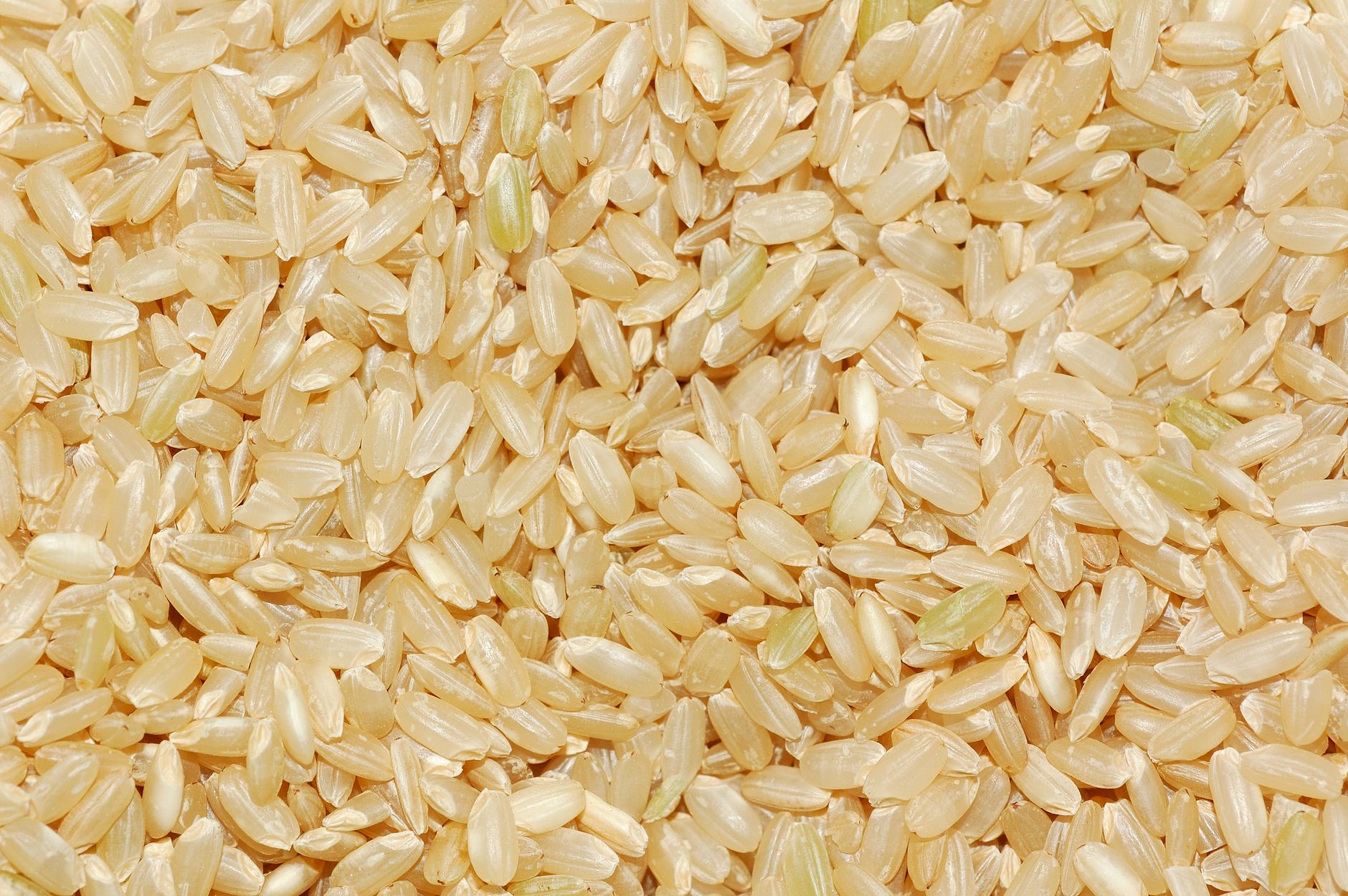
Brown rice is a whole grain rice that retains the bran and germ layers. This gives it a nutty flavor and a chewy texture, along with higher fiber content compared to white rice. Brown rice is often recommended for its health benefits and is a versatile base for various dishes.
White Rice
White rice is refined rice that has had the bran and germ removed. While it cooks faster and has a softer texture, it lacks the nutritional benefits of whole grain options. Some white rice varieties may be enriched with vitamins, but they still don’t match the fiber and nutrient density of brown rice.
Other Varieties
- Wild Rice: Technically a grass, wild rice is also considered a whole grain. It has a unique flavor and is often used in salads and side dishes.
- Basmati Rice: This long-grain rice can be found in both whole grain and refined forms. Whole grain basmati rice offers excellent nutritional value.
- Jasmine Rice: Similar to basmati, jasmine rice is aromatic and can be found as both white and brown varieties. The brown variety retains its whole grain status.
Nutritional Benefits of Whole Grain Rice
Whole grain rice is packed with essential nutrients that can contribute positively to your health. Here are some of the benefits:
High Fiber Content
Brown rice and other whole grain varieties contain significant amounts of fiber, which aids digestion and helps maintain healthy cholesterol levels. A high-fiber diet can also help control blood sugar levels, making whole grains a better dietary choice for diabetics.
Rich in Vitamins and Minerals
Whole grain rice is a good source of B vitamins, iron, magnesium, and selenium, all of which play various roles in bodily functions, including energy production, immune support, and maintaining bone health.
Antioxidant Properties
The bran layer of whole grains contains antioxidants that can help combat oxidative stress, reducing the risk of chronic diseases including heart disease and certain types of cancer.
Culinary Uses: How to Incorporate Whole Grain Rice into Your Cooking
Including whole grain rice in your meals can enhance texture, flavor, and nutritional value. Here are some ways to use it in your dishes:
Main Dishes
Whole grain rice can serve as a hearty base for your main dishes. Pair it with proteins like chicken, fish, or legumes for a balanced meal. Dishes like stir-fries, curries, and grain bowls are excellent for utilizing brown rice.
Salads
Cold salads featuring whole grain rice can be refreshing and satisfying. Consider mixing cooked brown rice with vegetables, beans, nuts, and a tangy dressing for a nutritious lunch or side dish.
Soups and Stews
Add whole grain rice to soups and stews to increase heartiness. It absorbs flavors well and adds a pleasant texture to the dish. Just remember to adjust the liquid ratios while cooking.
Cooking Techniques for Whole Grain Rice
Cooking whole grain rice may take longer than refined rice, but the results are well worth it. Here is a basic method for cooking brown rice:
Cooking Brown Rice
- Rinse the rice under cold water to remove excess starch.
- Use a ratio of 2 cups of water for every 1 cup of brown rice.
- Bring the water to a boil in a pot.
- Add the rinsed rice and a pinch of salt to the boiling water.
- Reduce the heat to low, cover, and simmer for about 45 minutes, or until the water is absorbed and the rice is tender.
- Remove from heat and let it sit covered for 10 minutes before fluffing with a fork.
Note that different varieties of whole grain rice may require slightly different cooking times and water ratios.
Storing Whole Grain Rice
Proper storage of whole grain rice is essential to maintain its quality and prolong shelf life. Follow these guidelines:
Dry Storage
Store whole grain rice in an airtight container in a cool, dry place to protect it from moisture and pests. It can typically last for 6 months to a year if stored correctly.
Cooked Rice
If you have leftover cooked brown rice, store it in the refrigerator in an airtight container for up to 3–5 days. You can reheat it in the microwave, stovetop, or by adding it to soups.
Common Mistakes When Cooking Rice
Understanding common mistakes can help you avoid pitfalls while cooking whole grain rice:
Using the Wrong Water Ratio
The typical water-to-rice ratio for brown rice is 2:1 (2 cups of water for every 1 cup of rice). Adjusting this improperly can lead to rice that is either too gummy or undercooked.
Skipping the Rinsing Step
Rinsing the rice before cooking helps remove excess starch, which can lead to sticky rice. Skipping this step may result in a less desirable texture.
Not Letting It Rest
After cooking, let brown rice sit for about 10 minutes covered. This resting period allows it to steam and helps improve its texture.
Serving Suggestions and Variations
Whole grain rice can be served in a variety of ways to suit your taste preferences. Here are some ideas to get you started:
- Seasoned Rice: Cook your brown rice in broth instead of water for added flavor.
- Rice Pilaf: Sauté onions and garlic in olive oil, add rice, and then simmer with broth and vegetables.
- Rice with Herbs: Mix cooked rice with fresh herbs like parsley, cilantro, or basil and a squeeze of lemon for a refreshing side.
Dietary Recommendations and Alternatives
If you are looking for alternatives to standard whole grain rice, consider these options, keeping in mind that not all varieties may carry the same health benefits:
- Quinoa: A protein-rich grain that is gluten-free and packed with nutrients.
- Farro: An ancient grain with a nutty flavor and chewy texture, rich in fiber and protein.
- Bulgur: A quick-cooking whole grain that pairs well with Mediterranean dishes.
Conclusion
Rice, specifically when considered in its whole grain form, is a nutritious and versatile food option that can greatly enhance your diet. Understanding the distinctions among rice varieties and their classifications enables you to make informed decisions in your cooking. Incorporating whole grain rice into your meals may provide significant health benefits and add diversity to your culinary repertoire.
To continue your exploration of rice varieties, check out more about gluten-free basmati rice or learn how many cups of water to use for 1 cup of rice to perfect your cooking method.