
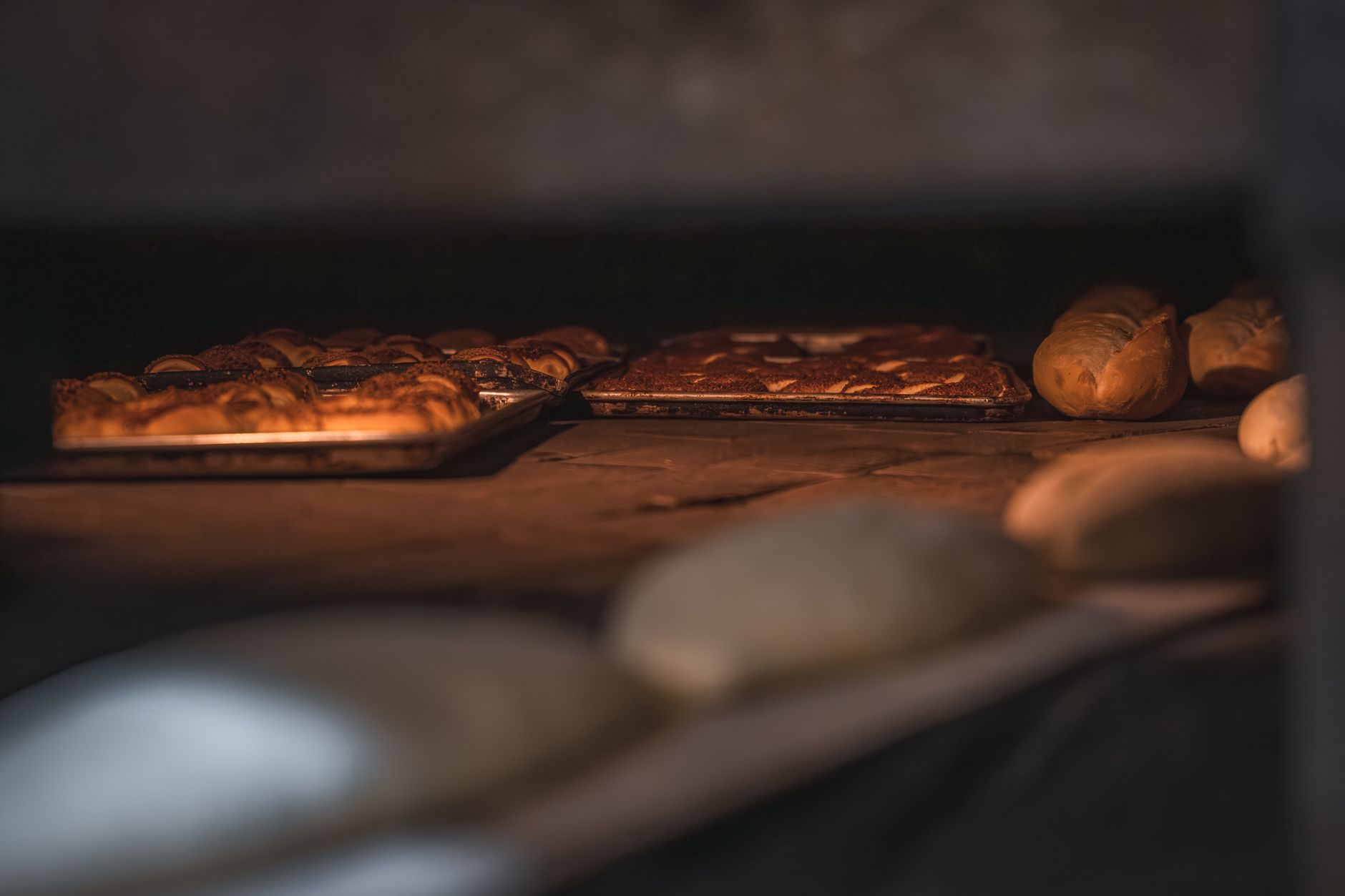
A cottage baker is a small-scale, often home-based baker who prepares baked goods for sale using their residential kitchen. This practice has become increasingly popular as a way to provide unique, locally made products while complying with regulatory requirements. The beauty of cottage baking lies in its focus on quality, taste, and personal touch.
Cottage bakers offer a wide variety of items, from artisanal breads and pastries to cakes and cookies, often reflecting their regional flavors or personal recipes. This article explores the definition of cottage baking, the types of products typically offered, and the techniques and practices that enhance the taste, texture, and kitchen uses of these baked goods.
What Is a Cottage Baker?
A cottage baker is someone who operates a baking business from their home kitchen, adhering to local regulations that allow them to produce and sell baked goods without needing a commercial kitchen. This type of baking enterprise often revolves around small-batch production, where the emphasis is placed on quality ingredients, creativity, and personalized service.
The cottage baking movement helps to promote local economies and encourages consumers to support small businesses. Cottage bakers often have the flexibility to create products inspired by their individual culinary traditions, accommodating dietary preferences, and seasonal produce.
Key Characteristics of Cottage Baking
Understanding the key characteristics of cottage baking can enhance your appreciation for these home-based artisans. Here are some notable traits:
- Small Scale: Cottage bakers typically work from home kitchens, meaning they produce smaller quantities of baked goods compared to commercial bakers.
- Artisanal Focus: Many cottage bakers prioritize quality over quantity, using fresh, high-quality ingredients with fewer preservatives and additives.
- Local Ingredients: Cottage bakers often utilize seasonal and locally sourced ingredients, which can elevate the flavor profile of their baked goods.
- Flexibility: Cottage bakers typically have the freedom to experiment with new recipes, flavors, and styles, allowing them to cater to evolving consumer preferences.
- Personal Touch: The unique style and personal story behind each bakery can create a strong connection between the baker and their customers.
What Types of Products Do Cottage Bakers Offer?
Cottage bakers offer a diverse range of baked goods, often depending on their skills, interests, and regional trends. Here’s a closer look at what you might find on their menus:
Breads
Cottage bakers frequently create artisanal loaves, including sourdough, whole grain, and specialty breads. Breads produced by cottage bakers often stand out for their crusty exterior and soft, flavorful interior due to careful fermentation processes and handcrafted methods.
Cakes and Pastries
Cakes and pastries are another staple of cottage bakeries. From birthday cakes to delicate pastries, cottage bakers may offer custom designs and flavors. Popular items include:
- Layer Cakes: Beautifully decorated cakes tailored for special events.
- Pastries: Such as croissants and danishes, often filled with fruit or gourmet creams.
- Miniature Desserts: Tarts, cheesecakes, and cupcakes that are perfect for small gatherings.
Cookies and Treats
Cookies are a favorite among cottage bakers, often featuring creative flavors and enticing toppings. These treats can include:
- Classic Cookies: Chocolate chip, oatmeal raisin, and snickerdoodles.
- Seasonal Cookies: Festive varieties during holidays, such as gingerbread or sugar cookies.
- Healthier Options: Including vegan or gluten-free cookies made with alternative flours and sweeteners.
Specialty Items
Cottage bakers often showcase specialty items that reflect their personal inspirations. These could include:
- Artisan Pies: Hand-crafted fruit and savory pies made with flaky crusts.
- Granola and Snack Bars: Homemade granola or bite-sized snacks for health-conscious consumers.
- Seasonal Offerings: Unique flavors inspired by local harvests, such as pumpkin bread in the fall or berry tarts in the summer.
Understanding Flavor Profiles in Cottage Baking
Flavor is one of the core aspects of cottage baking, as it directly affects the enjoyment and appeal of baked goods. Here are some essential components that influence flavor in cottage baking:
Quality Ingredients
The quality of ingredients is crucial in cottage baking, as it determines the overall taste and texture of the final product. Cottage bakers typically select high-quality flour, dairy, eggs, and sweeteners, opting for local and organic options whenever possible.
Herbs and Spices
Herbs and spices are often underutilized in commercial baking but can add depth and complexity. Common additions may include:
- Cinnamon: A classic spice that pairs well with baked goods.
- Nutmeg: Often used in fall recipes and enhances flavors in cakes and pies.
- Vanilla: A staple that provides warmth and richness.
Balancing Sweetness
Cottage bakers often craft recipes that achieve balance in sweetness, emphasizing natural flavors without overwhelming the palate. They may utilize less sugar and rely on fruit or honey as a sweetener, creating desserts that are both satisfying and wholesome.
Texture Considerations in Cottage Baking
In addition to flavor, texture plays a vital role in the enjoyment of baked goods. Cottage bakers use techniques that influence the mouthfeel, appearance, and overall experience of each item they produce.
Mixing Techniques
The methods used for mixing ingredients can significantly affect the texture of baked goods. Here are some common techniques:
- Creaming: Useful for cookies and cakes, where sugar and fat are beaten together to incorporate air, resulting in a light and fluffy texture.
- Folding: This method is ideal for delicate batters, allowing for the gentle incorporation of airy components.
- Kneading: Essential for bread, as it develops gluten, contributing to the desired chewiness and structure of the loaf.
Resting and Proofing
Resting and proofing dough is crucial in developing flavor and texture, especially in bread making. These processes allow yeast to ferment, resulting in a lighter, more flavorful product.
Techniques and Kitchen Uses for Cottage Bakers
Cottage bakers often employ various techniques and tools in their kitchens to produce top-quality baked goods. Understanding these methods is key to replicating the magic at home.
Essential Baking Equipment
While cottage baking can be done with a limited set of tools, certain equipment can enhance the process. Consider these essentials:
- Mixing Bowls: A variety of sizes for different mixing tasks is beneficial.
- Stanley Spoon and Spatula: Perfect for mixing, folding, and scraping ingredients.
- Measuring Tools: Precise measurements ensure consistency in baked goods.
- Baking Sheets and Pans: Versatile options for cookies, cakes, and loaf breads.
- Cooling Racks: Allow baked goods to cool evenly, preventing sogginess.
Baking Techniques
Mastering fundamental baking techniques is essential for success in cottage baking. Here are some critical methods to explore:
- Temperature Control: Keeping an eye on oven temperature is essential, as even slight variations can affect baking outcomes.
- Timing: Proper baking times differ for each type of product; a key aspect of successful baking.
- Ingredient Temperature: Room temperature ingredients are often recommended for baking, as they blend more smoothly and yield better results.
Experimenting with Flavors
One of the most exciting aspects of cottage baking is experimenting with new flavor combinations. Cottage bakers can explore incorporating seasonal fruits, exotic spices, or even flavor infusions like tea and coffee to elevate their offerings.
Cottage Baker Regulations and Considerations
While the cottage baking movement is flourishing, bakers must adhere to local regulations to sell baked goods legally. These rules often govern food safety, labeling, and kitchen inspections. Key factors to consider include:
Licensing and Registration
Many regions require cottage bakers to obtain a specific license or permit before selling baked goods. It’s essential to research local regulations to ensure compliance.
Labeling Requirements
Cottage bakers are often required to label their products clearly, including information on ingredients and allergens. This transparency helps consumers make informed decisions.
Food Safety Practices
Maintaining food safety standards is paramount for cottage bakers to avoid contamination and ensure product quality. This includes:
- Proper Hygiene: Keeping the kitchen clean and ensuring all utensils and surfaces are sanitized.
- Storage Practices: Storing ingredients and baked goods correctly to prevent spoilage.
- Temperature Control: Adhering to safe cooking, cooling, and storage temperatures to prevent foodborne illness.
Common Mistakes to Avoid in Cottage Baking
Like any baking venture, cottage baking comes with its challenges. Here are some common mistakes to watch out for:
- Overmixing: This can lead to tough textures in cakes and cookies. Always mix until just combined unless the recipe specifies otherwise.
- Ignoring Ingredient Temperature: Using cold ingredients can lead to unsatisfactory results, particularly in doughs and batters.
- Neglecting Measurements: Accurate measuring is crucial in baking; uneven amounts can throw off recipes.
- Not Preheating the Oven: This can affect rising and browning, so always preheat the oven as directed.
Storage and Reheating Tips
Proper storage and reheating techniques can help maintain the freshness of baked goods produced by cottage bakers. Here are some essential guidelines:
Storing Baked Goods
Different types of baked goods require specific storage methods:
- Breads: Store in paper bags or cloth to maintain crustiness, or wrap tightly for soft breads.
- Cakes: Keep in airtight containers at room temperature or refrigerate for longer-lasting freshness.
- Cookies: Store in airtight containers to prevent them from becoming stale.
Reheating Techniques
Careful reheating can restore the palatability of baked goods:
- Breads: Reheat in an oven at low temperatures to refresh crusts and textures.
- Cakes: Best served at room temperature, but can be microwaved for a few seconds if needed.
- Cookies: Warm briefly in the microwave to regain soft texture.
Final Thoughts on Cottage Baking
Cottage baking offers a unique opportunity for individuals to delve into their passion for baking and build a connection with their community. The variety of flavors, textures, and personal stories tied to each product enhance the experience beyond just consumption. Moreover, by understanding essential techniques, storage tips, and common mistakes, you can elevate your own baking journey.
Whether you are interested in starting your own cottage baking business or simply want to appreciate the craft of local bakers, you can find joy and fulfillment in the process. Explore your creative side while enjoying the delicious fruits of your labor in the comfort of your home!
For more ideas and inspiration in the kitchen, check out our delicious cottage cheese brownie recipe or try making a tasty cottage cheese flatbread recipe.