
During pregnancy, nutrition becomes an essential focus for expectant mothers. Making smart food choices can influence fetal development and the overall well-being of both mother and child. However, certain foods should be avoided during pregnancy due to potential health risks.
This article outlines specific foods to steer clear of when pregnant, offering insights on why these foods may pose risks and offering practical advice for a healthy pregnancy diet.
What Are Foods You Can’t Eat When Pregnant?
There are several categories of foods that are not safe to consume during pregnancy. These typically include raw or undercooked meats, certain seafood, unpasteurized dairy products, and more. Understanding these foods is vital for the health of both mother and baby.
Raw or Undercooked Meat
Raw or undercooked meats, including beef, pork, and poultry, pose significant risks due to potential bacteria such as E. coli, Listeria, and Salmonella. These pathogens can lead to foodborne illnesses that may adversely affect pregnancy.
- Beef and Pork: Always cook beef and pork to a minimum internal temperature of 145°F (63°C) and let it rest for at least three minutes.
- Poultry: Chicken, turkey, and other poultry products should be cooked to an internal temperature of 165°F (74°C).
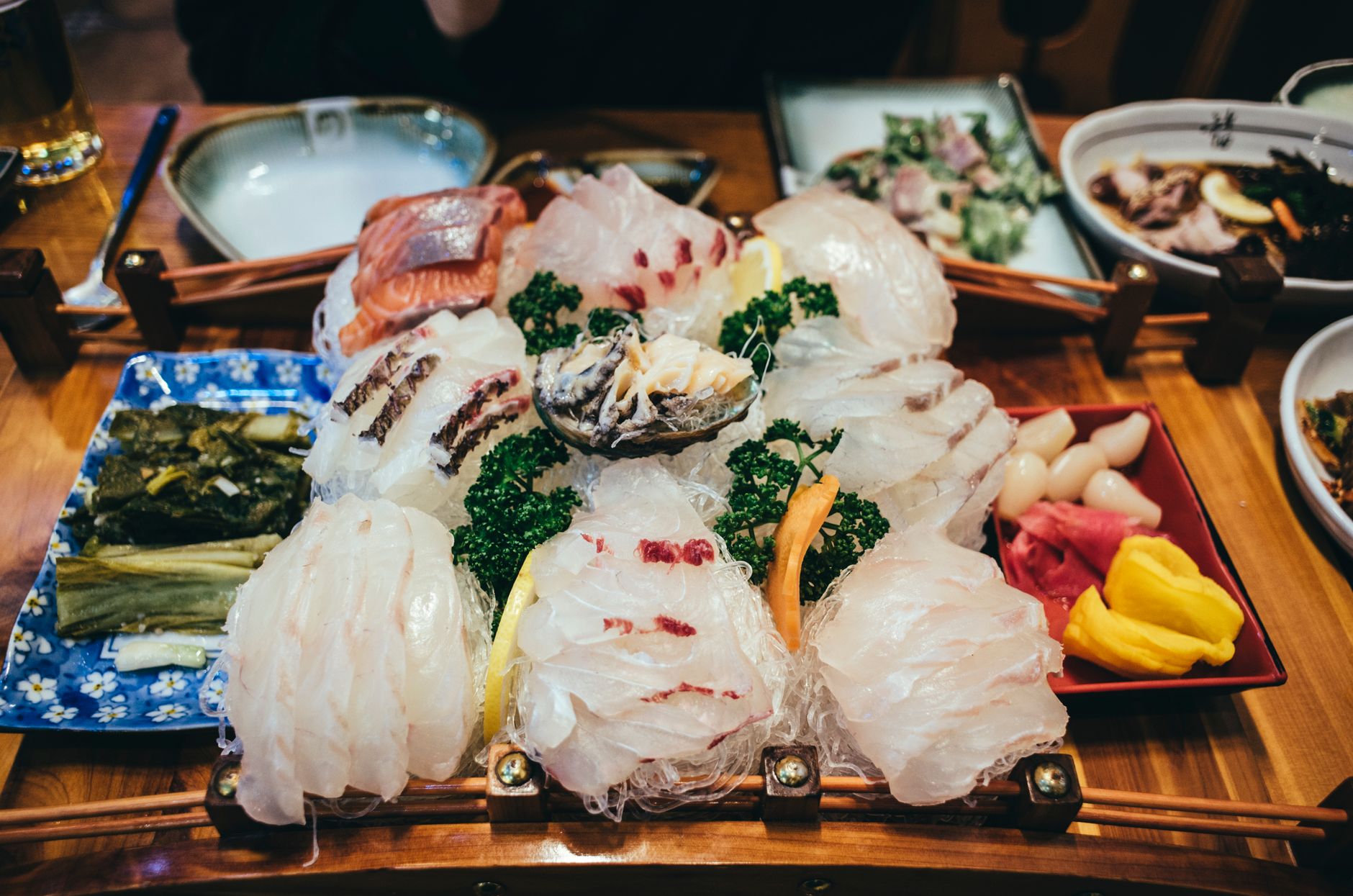
Raw or Undercooked Seafood
Certain types of seafood can be harmful when consumed raw, such as sushi and sashimi. The concern here extends to undercooked fish and shellfish, which can harbor parasites and harmful bacteria.
- Sushi: Avoid all types of sushi that contain raw fish.
- Shellfish: Raw oysters, clams, and mussels should not be eaten. Cook shellfish to an internal temperature of 145°F (63°C).
Certain Types of Fish
Some fish contain high levels of mercury, which can affect the developing nervous system of a fetus. Fish to avoid include:
- Shark: High in mercury; best to be avoided entirely.
- Swordfish: Another mercury-heavy option to skip.
- Kinge mackerel: Very high in mercury; not safe during pregnancy.
Instead, choose lower-mercury fish like salmon, rainbow trout, and sardines.
Unpasteurized Dairy Products
Unpasteurized milk, cheese, and other dairy products pose a risk for Listeria infection, which can lead to miscarriage or severe illness in newborns. Always opt for pasteurized options to minimize risks.
- Cheeses: Avoid soft cheeses made from unpasteurized milk, such as Brie, Camembert, and blue-veined cheeses. Look for pasteurized versions instead.
Processed Junk Foods
While it may be tempting to indulge during pregnancy, processed junk foods often lack essential nutrients and can be high in unhealthy fats, sugar, and sodium. A diet heavy in these items can lead to excessive weight gain and gestational diabetes.
- Snack Foods: Chips, cookies, and sugary cereals should be consumed in moderation.
- Fast Food: Try to limit intake of fast food due to high salt, unhealthy fat content, and overall lack of nutritional value.
Alcohol and Caffeinated Beverages
Consuming alcohol during pregnancy can lead to fetal alcohol syndrome and other developmental issues. It’s best to avoid all forms of alcohol.
Caffeinated beverages should also be limited. High caffeine intake during pregnancy has been associated with an increased risk of miscarriage or low birth weight. The general recommendation is to stay below 200 mg of caffeine per day, roughly equivalent to one 12-ounce cup of coffee.
Raw Eggs
Raw or undercooked eggs can carry salmonella, another harmful bacteria. Eggs should always be fully cooked until both the yolk and white firm.
- Safe preparation: Scramble, fry, or hard-boil eggs to make sure they are safe to eat.
Certain Herbal Teas and Supplements
Some herbal teas and supplements can have undesirable effects on pregnancy. Always consult a healthcare professional before consuming any supplements or herbal teas.
- Herbal Teas: Steer clear of teas with ingredients like peppermint, ginseng, or hibiscus.
- Herbal Supplements: Many of these have not been well-studied in pregnant women. Always consult your doctor.
Excessive Vitamin A
While vitamins are vital during pregnancy, high doses of Vitamin A can be harmful. Avoid supplements that include excessive amounts, particularly from animal sources like liver.
- Dietary Limit: Maintain a balanced diet with a variety of fruits and vegetables without going overboard on supplements.
Foods High in Sugar and Trans Fats
Foods high in sugar and trans fats, common in many baked goods and processed snacks, have been linked to complications during pregnancy. They can lead to gestational diabetes and excessive weight gain.
- Baked Goods: Limit cakes, cookies, and pastries that contain hydrogenated oils.
- Snack Foods: Chips and other snacks that are high in unhealthy fats should be minimized.
Food Safety Practices
To further safeguard your food choices, follow these food safety practices during pregnancy:
- Wash Vegetables and Fruits: Always wash produce thoroughly to remove bacteria and pesticides.
- Separate Raw and Cooked Foods: Prevent cross-contamination by using separate cutting boards and utensils.
- Proper Refrigeration: Ensure foods are stored at safe temperatures to prevent spoilage and bacterial growth.
Practical Tips for Meal Planning
Meal planning can help navigate food restrictions during pregnancy while ensuring balanced nutrition. Here are some practical strategies:
- Batch Cooking: Prepare meals in advance, minimizing the temptation of unhealthy quick options.
- Focus on Whole Foods: Incorporate a variety of whole grains, lean proteins, fruits, and vegetables.
- Stay Hydrated: Drink plenty of water and consider safe herbal teas that are known to be pregnancy-friendly such as ginger or raspberry leaf.
Healthy Alternatives
If you find yourself craving some of the foods you can’t eat while pregnant, there are always alternatives to explore:
- Raw Sushi: Try vegetable sushi rolls or sushi made with cooked seafood.
- Soft Cheeses: Use hard cheeses like cheddar or pasteurized cheese spreads instead.
- Caffeinated Drinks: Try caffeine-free herbal teas or low-caffeine options like decaffeinated coffee or tea.
Maintaining a Balanced Diet
While navigating these dietary restrictions may feel overwhelming, focusing on a balanced diet rich in nutrient-dense foods can help you maintain a healthy pregnancy. Remember to consult with healthcare providers for personalized dietary advice.
Conclusion
Being informed about the foods to avoid during pregnancy can promote better health for both mother and child. Prioritize safe food handling and seek healthier alternatives to ensure a nourishing diet. Consulting with healthcare professionals can provide tailored advice catering to your individual needs.
Explore our other resources about practical meal planning, healthy snacks, and ways to maintain balanced nutrition during pregnancy for more tips and guidance!