
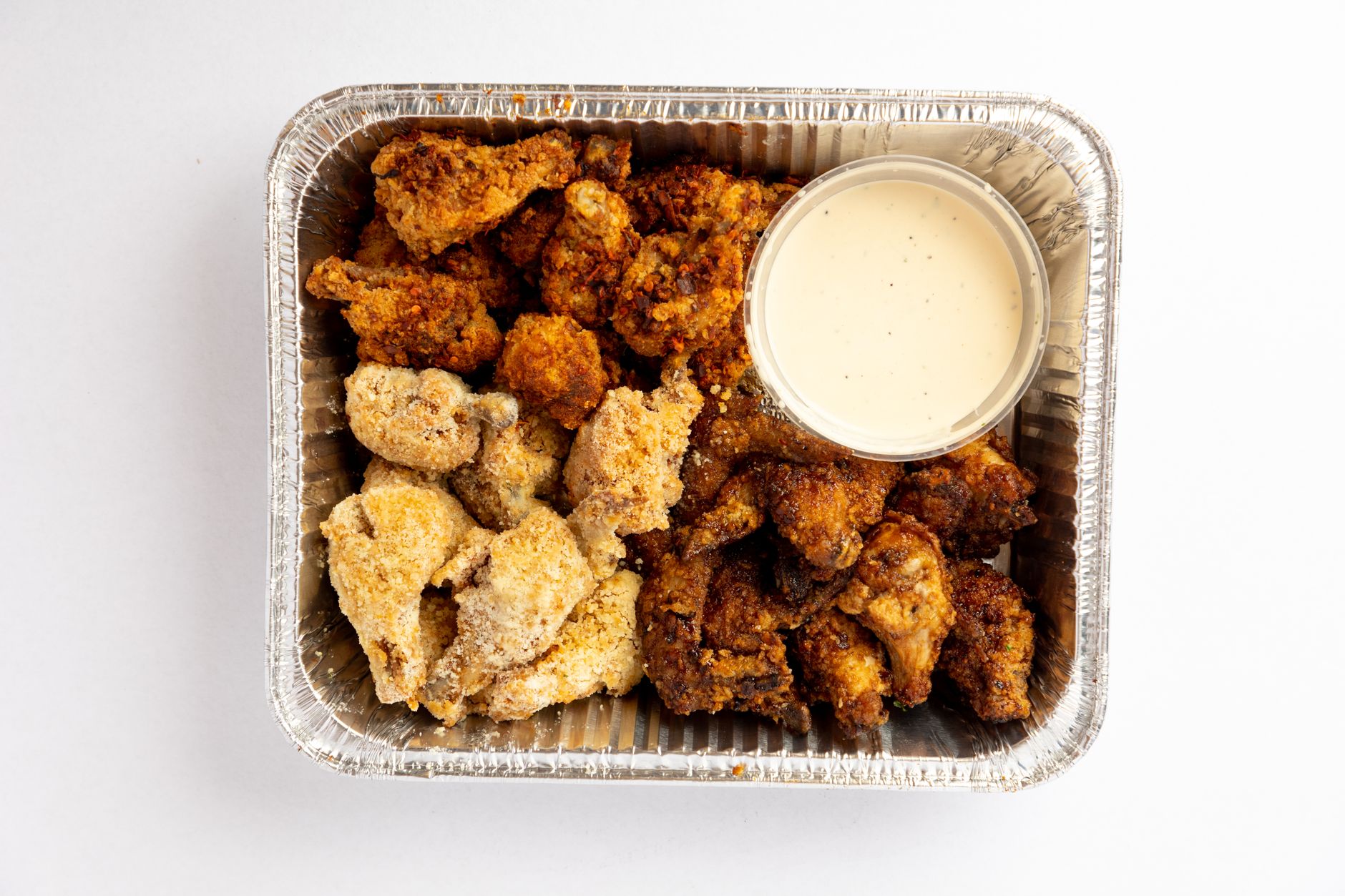
Chicken wings are a favorite for many, whether they’re served at game-day parties, family gatherings, or cozy dinners at home. But aside from their delicious flavor and satisfying crunch, many people want to know how much protein a chicken wing offers. Understanding protein content can help you make informed dietary choices and meal plans.
This article explores the protein content in chicken wings, how different cooking methods may impact that content, and practical serving sizes to keep in mind. You’ll also learn about the nutritional profile of chicken wings alongside some tips for preparing and enjoying them.
How Much Protein in One Chicken Wing?
On average, a single cooked chicken wing (with skin) contains about 6 to 7 grams of protein. The exact amount can vary based on the cooking method, whether the skin is left on or removed, and additional ingredients used during preparation.
The Nutritional Profile of Chicken Wings
In addition to protein, chicken wings provide several essential nutrients. When considering their nutritional profile, keep in mind the following components:
- Calories: Approximately 42 to 59 calories per wing.
- Fat: Contains about 3 to 4.5 grams of fat, predominantly unsaturated.
- Saturated Fat: Generally around 1.2 grams, depending on cooking methods.
- Cholesterol: Approximately 20 milligrams.
- Sodium: Can vary widely, especially if seasoned or sauced, but typically ranges from 50 to 100 milligrams.
How Cooking Methods Affect Protein Content
The protein content in chicken wings remains relatively stable across various cooking methods. However, the way they are cooked can alter the fat content and nutrient absorption:
Baking
Baked chicken wings are a healthier option. Baking allows excess fat to drip off, while still preserving the wings’ protein content. A common way to season them is to marinate before baking for extra flavor.
Frying
Frying wings can significantly increase the calorie and fat content due to the oil used. However, the protein will remain relatively unchanged. Deep-fried wings are often crunchier and are a popular choice in sports bars.
Grilling
Grilling adds a smoky flavor and can also reduce fat content as the fat drips away. The protein content stays similar to baked and fried wings, making this an excellent cooking method for health-conscious eaters.
Slow Cooking
When using a slow cooker, options such as making wings in sauces can lead to a tasty final product. The protein content will remain, but be attentive to added sugars and sodium from sauces, which can affect the overall healthiness of the meal.
Serving Sizes and Meal Planning
To incorporate chicken wings into a balanced diet, consider average serving sizes. A typical serving may range from 4 to 6 wings for an appetizer or dinner portion. This size provides approximately 24 to 42 grams of protein, making it a satisfying source for both muscle building and energy needs.
Here’s a practical breakdown of how to balance chicken wings in a meal plan:
- Snack or Appetizer: 4 wings (24-28 grams of protein)
- Main Dish: 8 wings (48-56 grams of protein, often accompanied by sides such as vegetables or salads)
- Buffet Style: Allow for 2-3 wings per person if other dishes are available.
Flavor and Seasoning Options
Chicken wings are blank canvases, allowing for a variety of flavors through marinades and seasonings. Here are some popular options:
Dry Rubs
Spice-dry rubs can add flavor without adding calories or fat. Common ingredients include:
- Garlic powder
- Onion powder
- Paprika
- Black pepper
- Chili powder
Wet Marinades
For a juicier wing, marinating in sauces adds flavor and can help with tenderness. Some ideas for marinades include:
- Teriyaki sauce
- BBQ sauce
- Buffalo sauce
- Lemon and herb mixes
Common Mistakes When Cooking Chicken Wings
Even though chicken wings are generally easy to prepare, certain mistakes can impact flavor and texture:
- Overcooking: This can lead to dry, tough wings. Aim for an internal temperature of 165°F (75°C) measured with a food thermometer.
- Not drying: If you don’t pat the wings dry before seasoning, they may steam instead of crisp up.
- Using too much sauce: While it’s tempting to slather wings in sauce, be sure to balance the amount so it doesn’t overwhelm the dish.
Storage and Reheating Tips
If you have leftover wings, proper storage can help maintain freshness and flavor:
- Refrigeration: Store cooked chicken wings in an airtight container in the refrigerator for up to 3 days.
- Freezing: For longer storage, you can freeze wings for up to 3 months. Thaw in the refrigerator before reheating.
- Reheating: To retain crispiness, reheat in an oven at 350°F (175°C) for about 10-15 minutes, or until heated through.
Regulatory and Health Guidelines
When consuming chicken wings, it’s essential to consider food safety guidelines, especially regarding meat products. Here are general recommendations:
- Always ensure chicken wings are cooked to a minimum internal temperature of 165°F (75°C).
- Avoid cross-contamination by using separate utensils for raw and cooked chicken.
- Be cautious with sodium levels; if using pre-packaged sauces or seasonings, check the sodium content to manage overall intake.
Variations for Dietary Preferences
Chicken wings can easily be adapted for various dietary preferences. Here are a few variations:
- Gluten-Free: Use gluten-free sauces and seasonings to keep it safe for those with gluten sensitivities.
- Low-Carb/Keto: Stick to dry rubs or sugar-free sauces to avoid excess carbohydrates.
- Plant-Based: Consider alternatives like cauliflower wings which can be breaded and baked with similar flavors.
Conclusion
When it comes to protein content, chicken wings are not only flavorful but also provide a good source of nutrition. With different cooking methods and seasonings, they can easily fit into meal plans ranging from casual snacks to formal dinners. By understanding serving sizes and cooking techniques, you can make the most of this delicious dish.
Explore more about delicious ways to cook chicken with our unique baked chicken wings recipe and learn how to enhance your wings with our chicken brine recipe for that added flavor punch.