
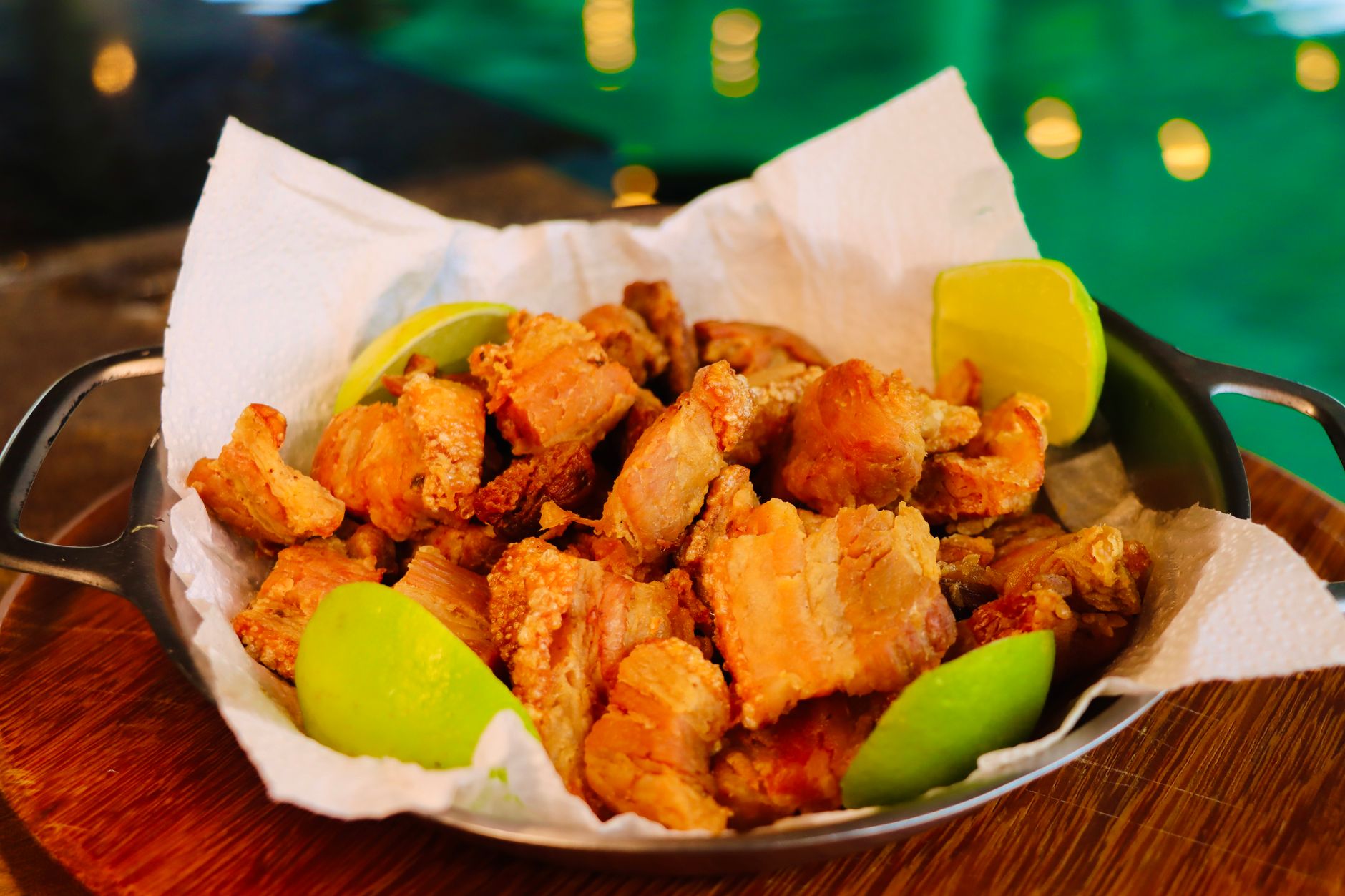
Chicharron is a beloved snack found across various cuisines, particularly in Latin America and Spain. Known for its satisfying crunch, this dish is primarily made from fried pork. With its rich flavor and versatility, chicharron serves as a standalone snack, a garnish, or a main dish component.
Understanding what chicharron is involves exploring its ingredients, taste profile, culinary applications, and even its health implications. This comprehensive guide will help you appreciate chicharron and how to incorporate it into your meals.
What Is a Chicharron?
A chicharron is essentially fried pork belly or fried pork skin. While the term can vary slightly in meaning depending on the region, the general concept remains the same: it is a crispy, savory snack that is typically seasoned for added flavor. There are variations that use chicken or beef, but pork remains the most traditional choice.
Ingredients of Chicharron
The basic ingredients for making chicharron are simple. However, the method of preparation and additional seasonings can vary widely between cultures and personal preferences.
- Pork Belly or Pork Rinds: The primary ingredient, typically skin-on pork belly or pork rinds, is essential for achieving the desired texture.
- Salt: A crucial seasoning that brings out the natural flavors of the meat.
- Cooking Oil: Used for frying; the type of oil can vary but should have a high smoke point.
- Optional Seasonings: Many recipes include spices like paprika, garlic powder, cumin, or even chili flakes for added flavor.
Taste Profile and Texture
Chicharron has a unique flavor and texture that desserts crave attention. The skin, when fried properly, turns into a crispy shell with a satisfying crunch. The meat beneath may remain tender and juicy. The use of seasoning can elevate the dish, giving it a savory, sometimes spicy profile depending on the spices used.
The combination of crispy skin and succulent pork creates a delightful contrast that makes chicharron enjoyable as a standalone snack or as an accompaniment to various dishes.
Culinary Uses of Chicharron
Chicharron can be used in numerous ways, making it a versatile ingredient in both cooking and snacking. Here are some popular culinary applications:
1. Standalone Snack
One of the simplest ways to enjoy chicharron is to eat it on its own. Often served with salsas, guacamole, or hot sauce, it makes for a crunchy and flavorful snack.
2. Toppings and Garnishes
Chicharron can be crumbled and sprinkled over salads, tacos, or soups for added texture and flavor. It makes a great topping for guacamole or bean dips, providing a crunchy contrast.
3. In Dishes
In various cuisines, chicharron is used as an ingredient in main dishes. For example:
- In Mexican Cuisine: Chicharron is frequently incorporated into dishes like “chicharron en salsa verde,” where it cooks in a green sauce.
- In Filipino Cuisine: Known as “chicharrón,” it is often served with vinegar or soy sauce and is a mainstay at parties.
4. Chicharron as an Ingredient
In some Latin American countries, chicharron is mixed into rice dishes or salads, adding both protein and crunch. It can also be blended into stews for a rich flavor boost.
How to Make Chicharron at Home
If you want to enjoy this delicious snack at home, making chicharron is easier than you may think. Here’s a detailed method to prepare chicharron:
- Ingredients:
- 2 pounds pork belly or pork skin
- Salt (to taste)
- Vegetable or lard (for frying)
- Optional spices (such as garlic powder, cumin, or chili powder)
Essential Equipment
- Sharp knife for cutting
- Large pot or deep fryer
- Slotted spoon or spider
- Paper towels for draining
Step-by-Step Method
- Preparing the Pork: Cut the pork belly or skin into 1–2 inch pieces. If using belly, score the skin but avoid cutting too deeply.
- Salting: Generously season the pieces with salt and any other desired spices. Allow them to sit for 30 minutes.
- Heating Oil: In a large pot or deep fryer, heat the oil over medium-high heat. You want the oil to be hot but not smoking.
- Frying: Add the pork pieces in batches to the hot oil. Fry until they are golden brown and crispy, about 15–20 minutes, depending on the size of the pieces. Stir occasionally to ensure even cooking.
- Draining: Once crispy, use a slotted spoon to remove them from the oil and place them on a plate lined with paper towels to drain excess oil.
- Serving: Enjoy your chicharron hot or allow to cool. They can be stored in an airtight container, although it’s best served fresh.
Variations of Chicharron
Chicharron has many regional variations, each with a distinct twist. Here are some notable adaptations:
1. Chicharron in Mexico
In Mexico, chicharron is often flavored with spices like chili powder and served with salsas or guacamole. It may also be used in tacos, burritos, or as a breakfast item with eggs.
2. Chicharron in the Philippines
Filipino chicharrón is typically enjoyed with vinegar or soy sauce and is an excellent accompaniment to rice. It is also popular during fiestas and gatherings.
3. Chicharron as a Crunchy Snack
In some cultures, chicharron is crumbled into fine pieces and sold as a snack. It’s often flavored with ingredients like cheese powder, making it a popular choice for party platters.
Common Mistakes When Making Chicharron
- Not Drying the Pork: Moisture can prevent proper frying, so ensure the pork is patted dry before cooking.
- Using Low-Quality Oil: Low smoke-point oils can burn during frying, negatively affecting flavor.
- Overcrowding the Pan: Frying too many pieces at once can reduce the oil temperature, leading to soggy, greasy chicharron.
Storage and Reheating
While chicharron is best enjoyed fresh, you can store leftovers for later use. Here’s how:
- Storage: Once cooled, keep chicharron in an airtight container. It can stay fresh for up to 2–3 days at room temperature.
- Reheating: To restore crispiness, reheat in an oven at 350°F (175°C) for about 10 minutes or until hot and crispy.
Health Considerations
While chicharron is a tasty snack, it is vital to be aware of its nutritional content. The dish is generally high in fat and calories, making it a special treat rather than an everyday food. Here are a few points to consider:
- Calories and Fat: Pork skin is predominantly fat, so moderate consumption is advised if you are watching your dietary fat intake.
- Protein Content: On the positive side, chicharron is a source of protein, which can be satisfying and help you feel full.
- Salt Content: Be cautious with added salt and seasonings, as high sodium levels may affect health, particularly for those with hypertension.
Conclusion
Chicharron is more than just a snack; it is a versatile ingredient that can enhance many dishes across various cuisines. Whether you prepare it at home or enjoy it from a vendor, understanding how to make and use chicharron can elevate your culinary experiences. Dive into the world of chicharron, and consider incorporating it into your recipes for added texture and flavor.
For more culinary insights, such as unique snacks, meal planning tips, and flavorful recipes, feel free to explore our food guides and cooking tips to enhance your culinary adventures.