
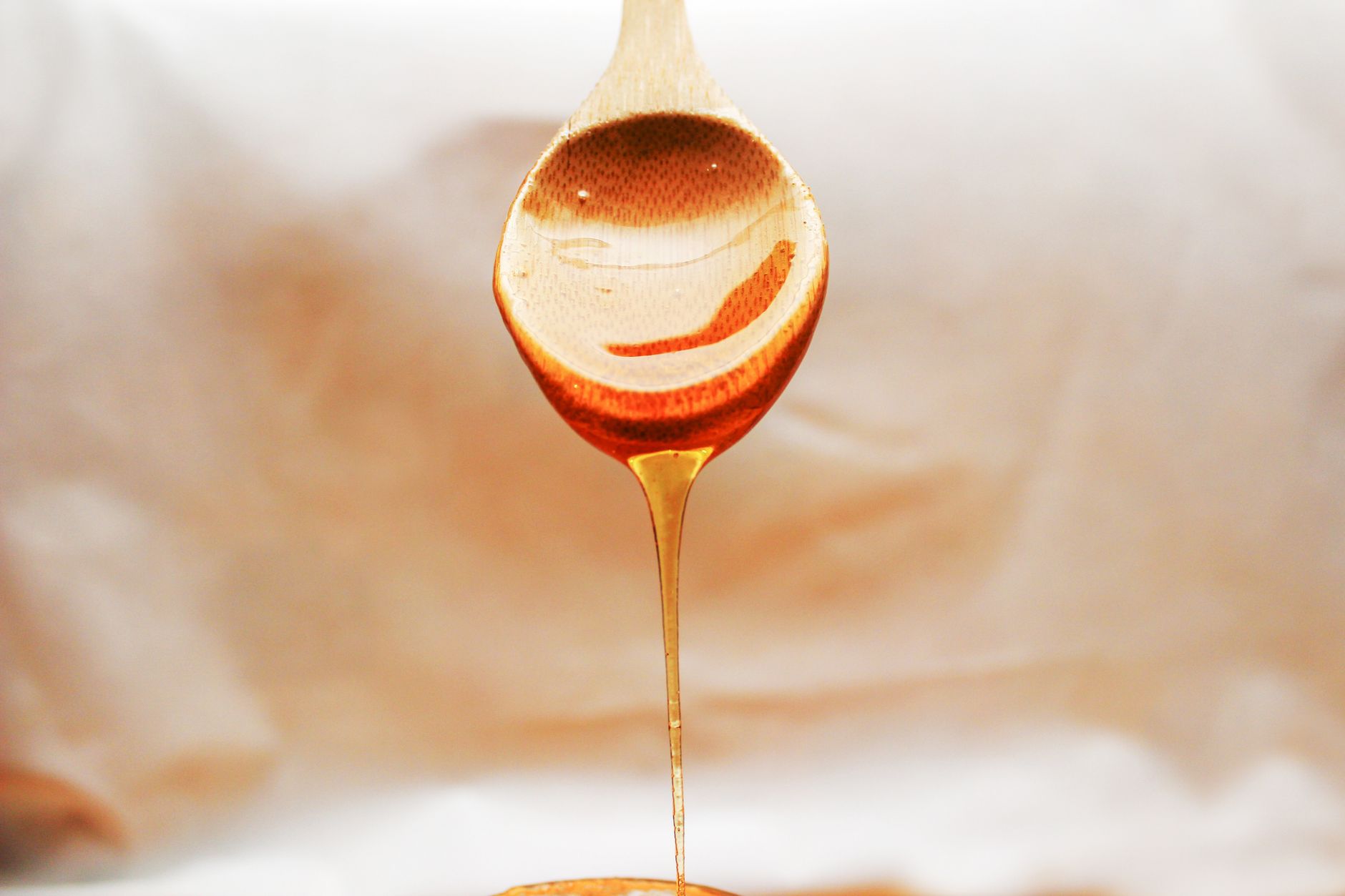
Brown rice syrup has gained popularity as a natural sweetener alternative, often found in health foods, energy bars, and cereals. However, as with any ingredient, questions arise regarding its health implications and suitability as part of a balanced diet.
This article explores whether brown rice syrup is bad for you by examining its nutritional profile, potential health effects, and how to incorporate it wisely into your diet.
Is Brown Rice Syrup Bad for You?
Brown rice syrup is a sweetener derived from brown rice that is commonly used as an alternative to sugar. While it is often marketed as a healthier option, its consumption should be approached with caution. It has a high glycemic index and may contribute to sugar-related health issues.
What is Brown Rice Syrup?
Brown rice syrup is produced through the enzymatic breakdown of starch in brown rice, turning it into sugars. The process involves cooking brown rice and then adding enzymes that convert its starches into sugars. This results in a thick, syrupy liquid that is both sweet and nutritious. It has a mild, nutty flavor and is often used in vegan baking, energy bars, and various food products.
Nutritional Profile of Brown Rice Syrup
Understanding the nutritional content of brown rice syrup is vital for assessing its impact on health. Here’s a breakdown of its main components.
- Calories: Brown rice syrup is relatively calorie-dense, with approximately 60 calories per tablespoon.
- Carbohydrates: It contains roughly 17 grams of carbohydrates per tablespoon, primarily from sugars.
- Glycemic Index: It has a high glycemic index (GI) of around 98, meaning it can cause rapid spikes in blood sugar levels.
- Minerals: Brown rice syrup does contain small amounts of minerals like manganese, magnesium, and selenium, though not in significant quantities.
Health Implications of Sugar Consumption
Sugar consumption is implicated in a variety of health concerns, including obesity, diabetes, and heart disease. The high glycemic index of brown rice syrup means it can lead to rapid increases in blood glucose, which might not be suitable for everyone, especially those managing blood sugar levels.
1. Blood Sugar Levels
The body absorbs sugars from brown rice syrup quickly, leading to spikes in blood sugar. Over time, frequent consumption of high-GI foods can increase insulin resistance, a precursor to type 2 diabetes. If you have diabetes or prediabetes, it’s advisable to limit or avoid brown rice syrup.
2. Weight Management
Foods high in added sugars, including brown rice syrup, can increase overall caloric intake without providing a sense of fullness. This might lead to overeating and contribute to weight gain. For those watching their weight, moderation is key.
3. Nutrient Deficiency
Relying heavily on sweeteners like brown rice syrup can displace nutrient-rich foods in the diet. If not balanced with whole foods, it may contribute to nutrient deficiencies over time.
How to Use Brown Rice Syrup
For those who choose to use brown rice syrup, understanding how to incorporate it can help mitigate potential health risks. Here are some practical tips.
1. Moderation is Key
Consider using brown rice syrup sparingly. A small amount can add sweetness to recipes without overwhelming your overall diet.
2. Combine with Fiber
Pair brown rice syrup with high-fiber foods such as oats, nuts, or seeds. This combination can help slow sugar absorption, reducing blood sugar spikes.
3. Use in Cooking and Baking
Brown rice syrup can be an effective sweetener in homemade granola, energy bars, and baked goods. It can replace other sweeteners like honey or agave syrup in many recipes. Here’s a substitution guideline:
| Sweetener | Substitution Ratio |
|---|---|
| Brown Rice Syrup | 1 cup = 1 cup |
| Honey | 1 cup = 1 cup – reduce liquid by 1/4 cup |
| Agave Syrup | 1 cup = 3/4 cup |
Practical Substitutions for Brown Rice Syrup
When it comes to finding alternatives for brown rice syrup, several options can be considered, each with its own flavor and nutritional profile. Here are some viable substitutes:
- Maple Syrup: A natural sweetener with a lower glycemic index, making it a healthier alternative.
- Honey: Provides sweetness while offering antimicrobial properties, but should be avoided by those who follow a vegan diet.
- Agave Nectar: Similar sweetness and often used as a vegan option, but can be high in fructose.
- Coconut Nectar: A lower glycemic option derived from coconut sap that retains nutrients.
Common Mistakes When Using Brown Rice Syrup
When incorporating brown rice syrup into your cooking or baking, it’s important to avoid some common pitfalls:
1. Overuse
One common mistake is using too much brown rice syrup in recipes, leading to recipes that are overly sweet and potentially harmful due to the high sugar content.
2. Ignoring Liquid Ratios
When substituting brown rice syrup for other sweeteners, always adjust liquid components in recipes, as it has a higher moisture content than granulated sugars.
3. Not Considering Glycemic Index
It’s crucial to remember the impact of the glycemic index on overall health, especially for individuals with insulin sensitivity or blood sugar concerns.
How to Store Brown Rice Syrup
For optimal shelf life, the storage of brown rice syrup is essential:
- Store in an airtight container at room temperature.
- Avoid exposure to direct sunlight and heat, as this could affect its quality.
- Check the expiration date on the packaging and use it within the recommended period.
Final Thoughts on Brown Rice Syrup
While brown rice syrup can be a delicious alternative sweetener, it should be used in moderation, particularly due to its high glycemic index and potential caloric density. Individuals with specific health concerns, such as diabetes, should limit their intake.
For those looking to bake or create recipes involving brown rice syrup, always consider combining it with other nutrient-rich ingredients and balance it within a broader context of a healthy diet. By doing so, you can enjoy the flavor it brings without compromising health.
To start experimenting in the kitchen, consider exploring recipes like brown sugar syrup or a delightful chia pudding with coconut milk. Such recipes allow you to taste the unique flavors of various sweeteners while maintaining a nutritious profile.