
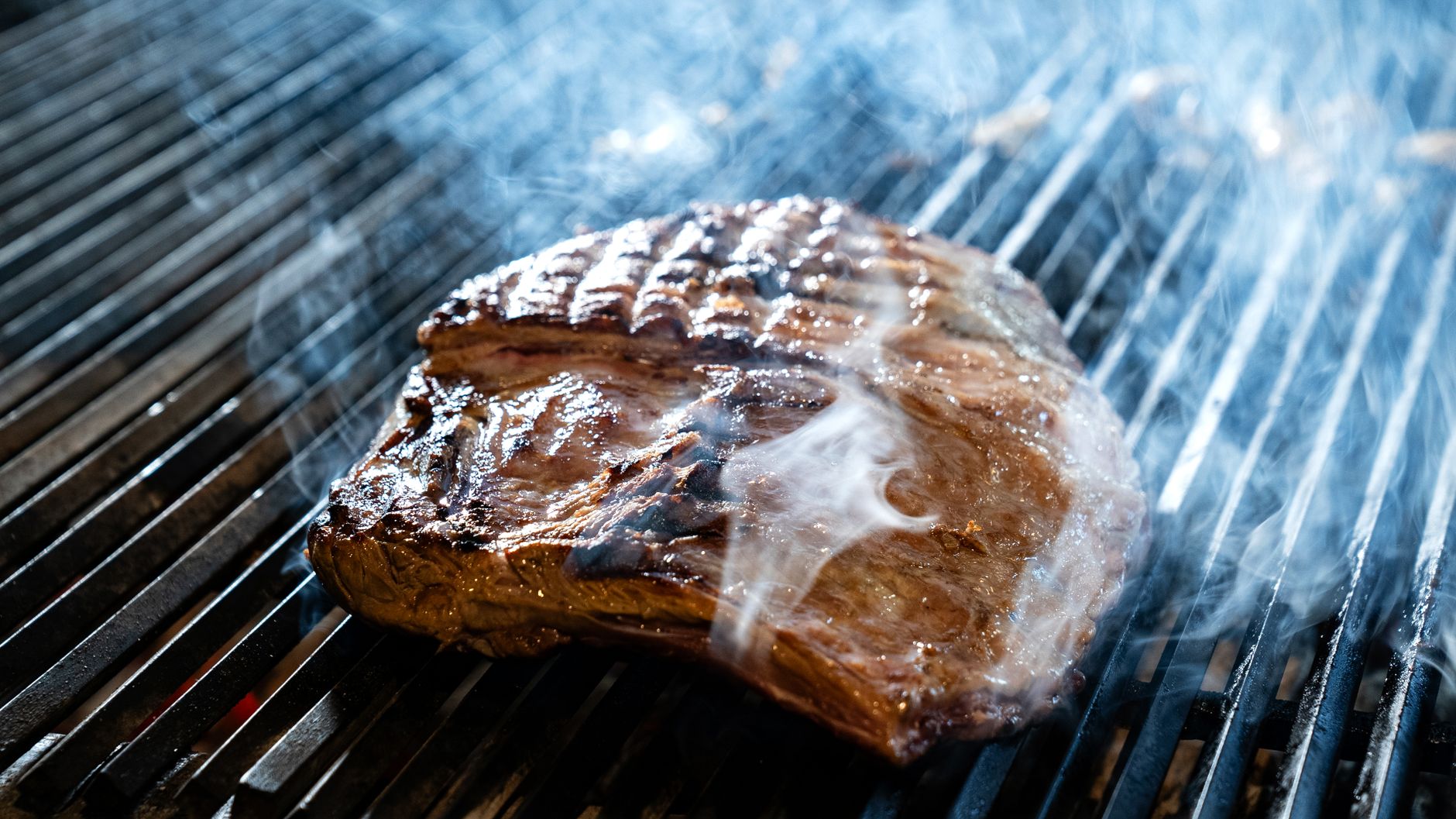
Bavette steak, also known as flank steak, is a flavorful cut of beef that has gained popularity in kitchens and restaurants alike. With its rich marbling and slightly chewy texture, this cut is loved for its robust beefy flavor and versatility in various culinary applications.
Ideal for grilling, searing, or slow-cooking, bavette has the potential to be a standout dish in both casual meals and refined dining experiences. Let’s dive deeper into what makes bavette steak unique, including its taste, texture, best cooking methods, and more.
What Is a Bavette Steak?
Bavette steak is often cut from the bottom sirloin and is considered a prized cut in terms of flavor. It is known for its long, flat shape and substantial size, making it perfect for both serving multiple guests or indulging in a hearty meal.
This steak is commonly found in French cuisine, where it is called “bavette d’aloyau” and often featured in dishes like steak frites. In North America, it’s increasingly popular due to its flavor and cost-effectiveness compared to pricier cuts like ribeye or tenderloin.
Taste and Texture of Bavette Steak
The taste of bavette steak is rich and beefy, with a pronounced flavor that stands up well to marinades, seasonings, and other bold flavors. This steak is often compared to flank steak in flavor but is renowned for being more tender when cooked correctly.
When it comes to texture, bavette is moderately tender, but it does have some chewiness. The key to enjoying this cut is to slice it against the grain, which helps make each bite more tender. Additionally, when cooked well—meaning not overcooked—the meat can be juicy and flavorful, enhancing your overall dining experience.
Best Cooking Methods for Bavette Steak
Bavette steak is incredibly versatile, and there are several cooking methods that can highlight its unique qualities. Below are some popular methods to consider:
Grilling
Grilling is one of the most popular and effective ways to cook bavette steak. The direct heat sears the outside, creating a caramelized crust while keeping the inside tender and juicy.
Pan-Searing
Cooking bavette steak in a hot skillet or griddle pan allows for excellent control over the searing process. This method is particularly useful for those who may not have access to an outdoor grill.
Slow Cooking
For a different approach, bavette steak can be slow-cooked or braised. This method breaks down tougher fibers over time, resulting in a tender dish with a rich, concentrated flavor.
Marinating
Due to its robust flavor, bavette steak is an excellent candidate for marinades. A marinade can infuse the meat with additional flavors, and marinating for at least 30 minutes to several hours can enhance both taste and tenderness.
How to Cook Bavette Steak
Cooking bavette steak properly is essential to achieving the desired flavor and tenderness. Here is a step-by-step guide for grilling or pan-searing bavette steak:
- Ingredients:
- 1 lb bavette steak
- 2 tablespoons olive oil
- 2 cloves garlic, minced
- 1 tablespoon soy sauce (optional)
- Salt and black pepper to taste
- Equipment:
- Grill or grill pan
- Knife
- Cutting board
- Tongs
- Meat thermometer (optional)
- Prepare the Marinade: In a bowl, combine olive oil, minced garlic, soy sauce (if using), salt, and black pepper to create a marinade. Coat the bavette steak and let it marinate for 30 minutes to 2 hours.
- Preheat the Grill or Pan: For grilling, preheat your grill to high heat. If using a pan, heat it over medium-high heat until it’s hot.
- Cook the Steak: Remove the steak from the marinade and shake off excess. Grill or pan-sear the steak for about 4-5 minutes on each side for medium-rare, or until reaching an internal temperature of 130°F (54°C).
- Rest the Steak: Remove the steak from the heat and let it rest for 5-10 minutes. Resting allows the juices to redistribute, making it juicier.
- Slice and Serve: Use a sharp knife to slice the steak against the grain. Serve immediately with your choice of sides.
Common Mistakes with Bavette Steak
While bavette steak is relatively straightforward to prepare, there are some common mistakes to avoid:
- Overcooking: This cut can become tough if cooked beyond medium-rare. Use a meat thermometer to check internal temperature.
- Not Resting: Skipping the resting period after cooking makes the steak lose juices, resulting in a drier texture.
- Improper Slicing: Always slice against the grain. Cutting with the grain can result in chewier bites.
Serving Suggestions for Bavette Steak
Bavette steak pairs beautifully with a variety of side dishes, sauces, and toppings:
- Vegetables: Grilled or roasted vegetables, such as zucchini, bell peppers, or asparagus, complement the steak well.
- Starchy Sides: Mashed potatoes, risotto, or rice pilaf make for hearty accompaniments.
- Sauces: Chimichurri, garlic butter, or a red wine reduction sauce can enhance the beefy flavors.
- Salads: A fresh salad with some greens, tomatoes, and a tangy vinaigrette can provide balance to the richness of the steak.
Storing Leftover Bavette Steak
Any leftover bavette steak should be stored properly to maintain its quality. Here are some tips:
- Refrigeration: Cool the steak to room temperature, then store it in an airtight container in the fridge for up to 3 days.
- Freezing: For longer storage, wrap the cooled steak tightly in plastic wrap and then in foil before placing it in the freezer. It can last up to 3 months.
- Reheating: Reheat the steak gently in the oven at a low temperature (around 250°F or 121°C) until warmed through, or briefly in a skillet to avoid drying it out.
Practical Substitutions for Bavette Steak
If bavette steak is unavailable, several other cuts can serve as reasonable substitutes:
- Flank Steak: Similar in texture and flavor, making it a straightforward swap. Cook it using the same methods for best results.
- Skirt Steak: This cut is a bit more tender and flavorful, but it also has a similar grain and requires proper slicing.
- Flat Iron Steak: Known for its tenderness, this is another excellent alternative, offering a different flavor profile but still maintaining a beefy taste.
Add Bavette Steak to Your Menu
Incorporating bavette steak into your meal planning can enhance your dining experience. Due to its rich flavor, this steak can be a crowd-pleaser for barbecues, family dinners, or special occasions.
When planning meals, consider the combination of flavors and textures that will work best with the steak. Pair it with seasonal vegetables, grains, or even flavorful sauces to create a balanced plate.
In addition, having a few standout recipes for marinated or spiced bavette steak on hand can make meal prep exciting and varied.
Conclusion
Bavette steak is a delectable cut that offers robust flavor and cooking versatility. Understanding how to properly prepare and serve bavette can elevate your meals, satisfying both yourself and your guests. With a few techniques and some creative planning, this cut can take center stage in your culinary repertoire.
For more meat cuts and cooking techniques, explore guides on flat iron steak and chuck eye steak recipes to enhance your kitchen skills.