
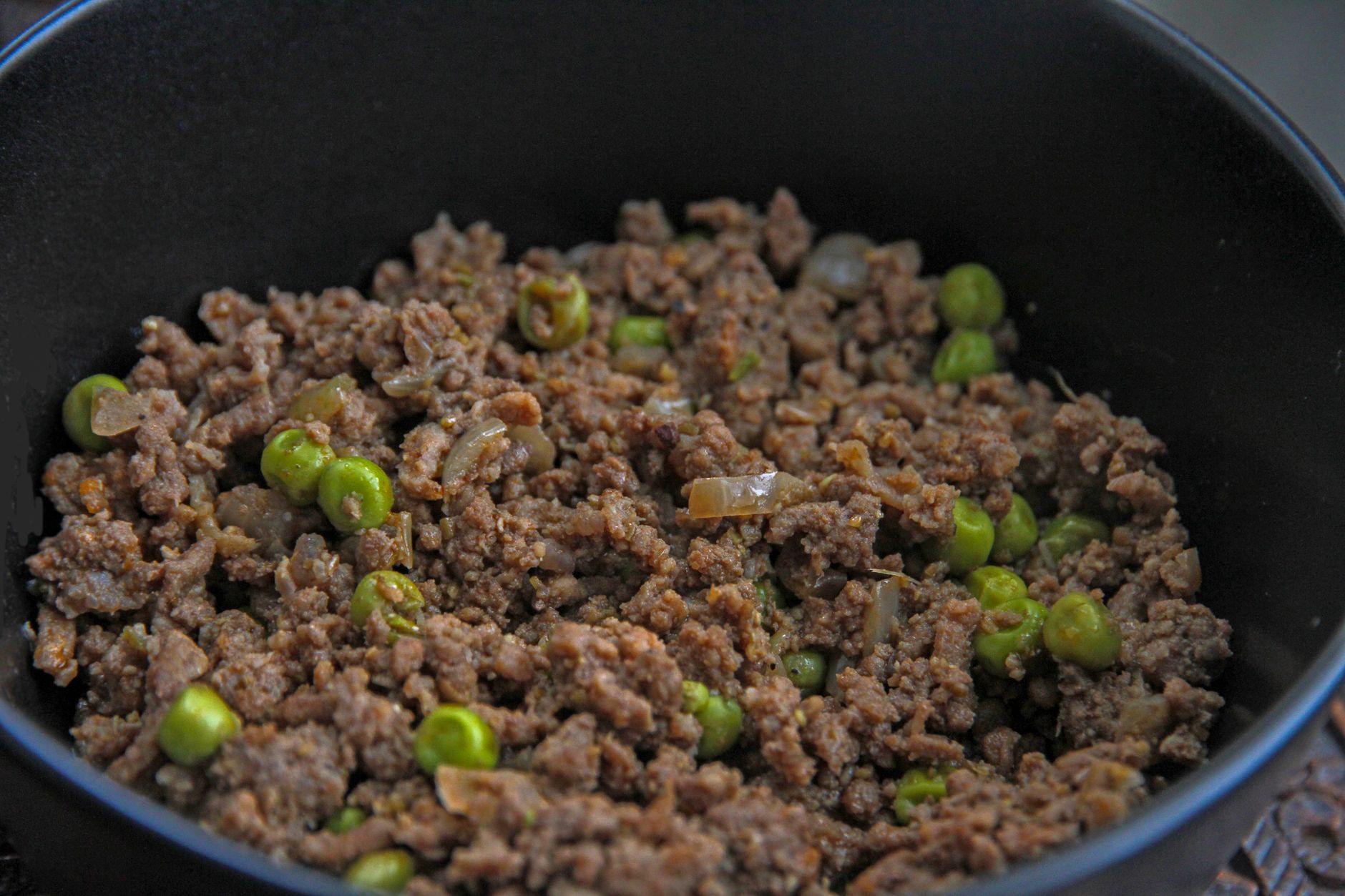
Ground beef is a staple ingredient in many kitchens, often used for its versatility and rich flavor. However, understanding its aroma is crucial for ensuring quality and safety when cooking. In this article, we will explore what ground beef smells like when fresh and identify the signs of spoilage through odor.
Being able to recognize these smells can help you avoid foodborne illnesses and ensure that your meals are both delicious and safe. Let’s dive into the distinct smells of ground beef and what those odors tell you about its freshness.
What Does Ground Beef Smell Like?
Fresh ground beef has a mild, slightly metallic smell, often described as clean or fresh meat. This odor indicates that the meat is safe to consume and has been stored properly. As ground beef begins to spoil, its aroma changes significantly, developing a sour or rancid scent that is unmistakable.
Recognizing these smell changes can prevent the use of spoiled ground beef, protecting you and your loved ones from foodborne illnesses possibly caused by harmful bacteria.
The Smell of Fresh Ground Beef
When you purchase fresh ground beef, it should ideally have a pleasant, meaty smell. This odor signifies freshness and good handling practices. Ground beef typically releases a slight iron or metallic smell, a result of the myoglobin protein from the muscle tissue. This is normal and not a cause for concern.
- The scent is mild and may not be overpowering.
- It should not have any strong or off-putting odors.
- The color of fresh ground beef is generally pink or red, influenced by exposure to oxygen.
Understanding Spoilage Signs
Ground beef doesn’t spoil immediately; it can last a few days when stored correctly. However, as time passes, it is important to recognize the signs of spoilage associated with odor.
Identifying Spoiled Ground Beef by Smell
When ground beef spoils, its smell becomes pungent, often described as sour, rancid, or something akin to rotten eggs. This is typically due to the presence of bacteria, such as Salmonella or E. coli, multiplying rapidly. Here are some specific spoilage odors to be aware of:
- A pungent, sour smell that stands out from the normal meaty aroma.
- A rank, ammonia-like odor, often contributing to a feeling of nausea.
- A stale or off odor that lingers in the air.
Visual Signs of Spoilage
In addition to smell, visual signs can also indicate spoilage. Ground beef that is no longer fresh may also exhibit the following characteristics:
- Change in color: Fresh ground beef is typically bright red or pink, but spoiled beef may appear dull, grey, or brown.
- Sticky or slimy texture: If the meat is tacky to the touch, it is likely spoiled.
- Presence of mold: Any visible spots or greenish hue can signal spoilage.
Storage Tips for Ground Beef
Proper storage of ground beef is essential for maintaining its freshness and preventing spoilage. Here are some tips to follow:
- Refrigerate promptly: Store ground beef in the fridge as soon as possible, ideally within two hours of purchase.
- Keep it airtight: Use airtight containers or vacuum-seal bags to prevent exposure to air, which can lead to spoilage.
- Label with dates: Always label your ground beef with a purchase or freeze-by date, helping you track its freshness.
- Store in the coldest part of the refrigerator: This area is often the back of the fridge, away from the door.
Freezing Ground Beef
Freezing is an excellent option for extending the shelf life of ground beef. Here are some useful tips:
- Wrap tightly: Ensure that ground beef is well-wrapped in plastic wrap or aluminum foil, or vacuum-sealed to prevent freezer burn.
- Label and date: Clearly mark the packaging with the date it was frozen.
- Use within three to four months: For optimal quality, aim to use frozen ground beef within this timeframe.
Thawing Ground Beef
When you’re ready to use frozen ground beef, proper thawing is crucial. Here are three safe methods:
- Refrigerator thawing: The safest way is to place the beef in the refrigerator, allowing it to thaw gradually (usually overnight).
- Cold water thawing: If you need it quicker, place the sealed package in cold water, changing the water every 30 minutes until thawed.
- Microwave thawing: Use the microwave’s defrost function, but cook immediately after thawing to ensure even cooking.
Cooking Ground Beef Safely
Cooking ground beef properly is vital to eliminate harmful bacteria. Follow these guidelines for safe cooking:
- Cook to the right temperature: Ground beef should be cooked to an internal temperature of 160°F (71°C) to ensure safety.
- Use a food thermometer: Always use a reliable food thermometer to check the internal temperature accurately.
- Avoid cross-contamination: Use separate cutting boards and utensils for raw ground beef and other ingredients.
Common Mistakes with Ground Beef
A few common mistakes can lead to cooking issues or food safety risks, and understanding them can enhance your cooking experience:
- Not checking the freshness: Always inspect ground beef for smell and color before cooking.
- Overcooking: Ground beef can become dry if overcooked; cook until just browned.
- Using old beef: Ensure you know the storage duration – spoiled meat can lead to foodborne illnesses.
Flavor Profiles of Ground Beef
When fresh, ground beef adds rich flavors to various dishes. Whether you’re making burgers, meatballs, or sauces, knowing how to evaluate its quality is vital. Better quality ground beef enhances the taste of your meals.
- Grass-fed beef offers a richer flavor and leaner option.
- Higher fat content can add juiciness and flavor, important in recipes like burgers.
- Ground beef from different cuts can alter the flavor, like chuck for burgers or sirloin for stir-fries.
Practical Uses for Ground Beef
Ground beef is incredibly versatile in cooking. Here are some common and beloved dishes:
- Tacos: Ground beef forms the base for spicy, flavorful fillings.
- Meatloaf: A family favorite, often flavored with spices and sauces.
- Chili: Ground beef provides a hearty, protein-packed base for this comforting dish.
- Bolognese sauce: A rich, slow-cooked sauce that pairs well with pasta.
Conclusion
Understanding what ground beef smells like, and recognizing the signs of spoilage is crucial for anyone who values food safety and quality. Fresh ground beef offers a clean scent that promises flavor in various dishes, while spoiled beef emits unpleasant odors signaling that it should be discarded. Remember to store, thaw, and cook ground beef properly for the best results.
For practical guidance on food storage, check out how long is ground beef good for in the fridge, or explore cooking ideas with our Mongolian ground beef recipe. There’s a wealth of culinary possibilities waiting in your kitchen.