
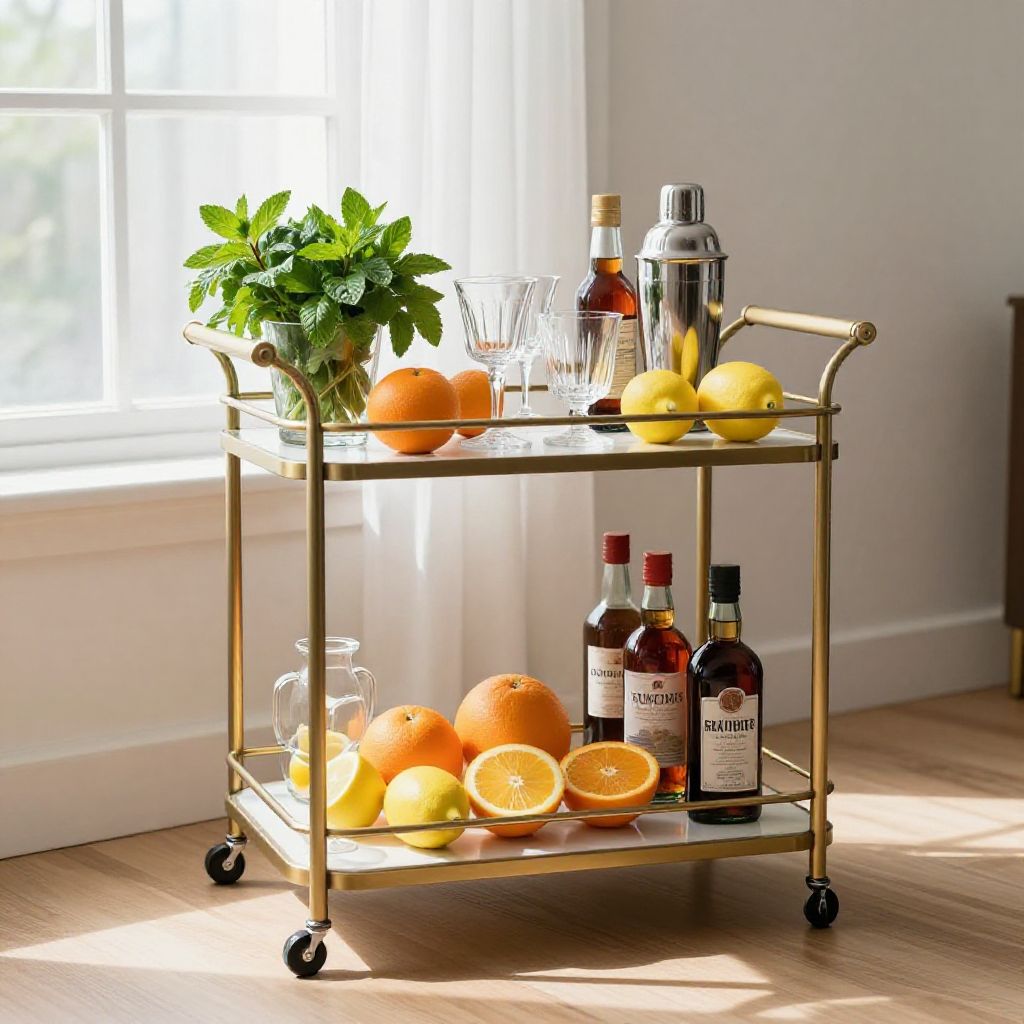
A bar card is a versatile cocktail tool that serves both as a functional accessory and a stylish addition to any drinking occasion. It is designed to hold essential bar accessories, tools, and drink recipes, making it an invaluable asset for bartenders and cocktail enthusiasts alike.
This article will delve into what a bar card is, its key components, the flavors of cocktails typically associated with bar cards, and how to effectively serve and use these essential tools. By the end, you’ll have a comprehensive understanding of how to elevate your cocktail experience.
What Is a Bar Card?
A bar card is typically a portable or stationary tool that assists bartenders or cocktail makers in organizing their equipment and recipes. It includes compartments for storing various cocktail tools, garnishes, and glassware, often accompanied by a selection of cocktail recipes to guide users in crafting cocktails. The overall purpose is to streamline the cocktail-making process.
Key Ingredients of a Bar Card
While the design of a bar card can vary widely, every bar card usually holds essential ingredients that can be utilized to create a wide variety of cocktails. The ingredients can be categorized into three main groups: spirits, mixers, and garnishes.
Spirits
Spirits form the backbone of most cocktails. Here are some common types to consider stocking on your bar card:
- Vodka: A neutral spirit that can blend well with various mixers and flavors.
- Gin: Offers botanical flavorings, making it ideal for drinks like gin and tonics.
- Rum: Ranges from light to dark; light rum is perfect for refreshing cocktails, while dark rum adds depth.
- Tequila: Primarily used in cocktails like margaritas, its distinctive flavor comes from the agave plant.
- Whiskey: A diverse category with variations like bourbon and rye, often featured in classic cocktails.
Mixers
Mixers help blend flavors and create a more enjoyable drinking experience. Possible mixers include:
- Soda: Club soda, tonic water, and ginger ale are popular options.
- Juices: Freshly squeezed juices such as citrus, cranberry, or pineapple add a natural sweetness and complexity.
- Syrups: Simple syrup, grenadine, or flavored syrups can balance flavors or introduce sweetness to a cocktail.
- Bitters: A few dashes can elevate the flavor profile of cocktails through added complexity.
Garnishes
Garnishes can enhance the presentation and flavor of cocktails. Essential garnishes to include are:
- Herbs: Fresh mint or basil can add a fragrant aroma and flavor.
- Citrus: Lemon or lime wedges, twists, and peels brighten up a drink and offer acidity.
- Fruits: Cherries, olives, or pineapple slices are common choices for style and flavor.
- Salts or Sugars: Rimming cocktail glasses with salt or sugar can create a contrasting taste.
Flavor Profiles of Bar Card Cocktails
The cocktails mixed using a bar card can vary greatly in flavor profiles, appealing to different tastes and occasions. Here are some general flavor categories to consider:
Refreshing
These cocktails usually utilize citrus juices and soda. Drinks like mojitos or mimosas are examples that offer a bright and refreshing experience.
Fruity
Fruity cocktails leverage the sweetness and tartness of fresh fruits and juices. Consider drinks like piña coladas or strawberry daiquiris that are perfect for summer.
Herbaceous
Herb-forward cocktails emphasize botanicals, often achieved through gin or fresh herbs. A classic example is the basil gimlet.
Spicy
Spicy cocktails can be achieved by adding ingredients like jalapeños or spices to cocktails, creating a flavorful kick. A famous spicy cocktail is the spiced margarita.
Strong
Whiskey-based drinks like the Old Fashioned or a Negroni exemplify cocktails that are robust and have deeper flavors, often seasoned with bitter or herbal notes.
How to Serve Cocktails from a Bar Card
Serving cocktails effectively requires attention to detail and presentation. Here is a step-by-step guide to ensuring that your cocktails are served at their best:
1. Prepare Your Tools
Before mixing, ensure all necessary tools are clean and organized on the bar card. Key tools include:
- Shaker: Essential for mixing drinks with ice.
- Jigger: For measuring spirits accurately.
- Strainer: To filter out ice when pouring cocktails into glasses.
- Bar spoon: Ideal for stirring drinks.
2. Choose Your Glassware
Select appropriate glassware based on the recipes you are preparing. Familiar types of glassware include:
- Cocktail glasses: Perfect for drinks served without ice.
- Highball glasses: Suitable for cocktails served with larger amounts of mixers and ice.
- Rocks glasses: For spirits served over ice or simple cocktails.
3. Measuring Ingredients
Use a jigger to measure spirits and mixers accurately. Precision in measurement ensures balanced flavors in each cocktail.
4. Mixing Techniques
Utilize proper mixing techniques depending on the drink being prepared. Common methods include:
- Shaking: Ideal for cocktails that contain juices, cream, or other non-alcoholic mixers.
- Stirring: Best for spirit-forward cocktails to maintain clarity.
- Muddling: Pressing fresh ingredients like herbs or fruit to release their flavors.
5. Garnishing
Appropriately garnish your cocktails to enhance their presentation and aroma. A well-chosen garnish can elevate a drink’s attractiveness and flavor.
6. Serving Temperature
Serve cocktails at the appropriate temperature. Chill glassware beforehand or use ice to keep the drinks cold.
Common Mistakes to Avoid
While using a bar card and crafting cocktails, several pitfalls can diminish the quality of your drinks. Here are some common mistakes and tips to avoid them:
1. Overly Diluted Drinks
Shaking or stirring too long can dilute a cocktail excessively. Keep an eye on timing to preserve the intended flavor.
2. Improper Measurements
Estimating measurements can throw off a drink’s balance. Always use a jigger for accurate portions.
3. Skipping Garnishes
Garnishes add visual appeal and aroma. Never overlook this finishing touch as it can significantly enhance the drinking experience.
4. Poorly Chosen Glassware
Using inappropriate glassware can affect not only presentation but also the drinking experience. Always consider the type of cocktail when selecting glassware.
Making a Bar Card Your Own
Once you’ve understood the fundamentals of a bar card, it’s time to personalize it to reflect your preferences. Here are some suggestions to create a bar card suited to your personality:
1. Select Signature Cocktails
Curate a list of your favorite cocktails to keep on display. This helps streamline decision-making when serving drinks to guests.
2. Customize Your Equipment
Choose tools and mixers that you enjoy using. You might prefer metal straws over plastic or specific shaker styles that suit your aesthetic.
3. Include Seasonal Ingredients
Rotate ingredients with the seasons. Fresh fruits, herbs, and spirits can add a fresh twist to your cocktails throughout the year.
4. Experiment with Flavor
Try new ingredients or flavors that you find intriguing. Explore variations like infused spirits or homemade syrups to make unique cocktails.
Storage and Maintenance
To keep your bar card organized and functional, proper storage and maintenance are critical. Follow these tips to maintain your bar card:
1. Clean Regularly
Wipe down surfaces and wash tools after each use to prevent buildup and ensure a hygienic environment.
2. Organize Ingredients
Keep ingredients categorized and neatly stored on the bar card. Consider labeling bottles for ease of access.
3. Restock Essentials
Monitor your supplies and restock essential ingredients regularly to avoid running out during gatherings.
4. Rotate Stock
Use older ingredients first, especially perishables like fruits and herbs, to prevent waste.
Explore More About Cocktail Culture
The world of bar cards and cocktails is vast and exciting. Discover more about cocktail traditions and practices through these related guides:
Understanding what an open bar means can enhance your next event planning. If you’re interested in beer options, explore what a pilsner is to diversify your drink offerings.
By embracing the versatility of a bar card, you can enhance your bartending skills, impress guests, and create delicious cocktails tailored to any occasion.