
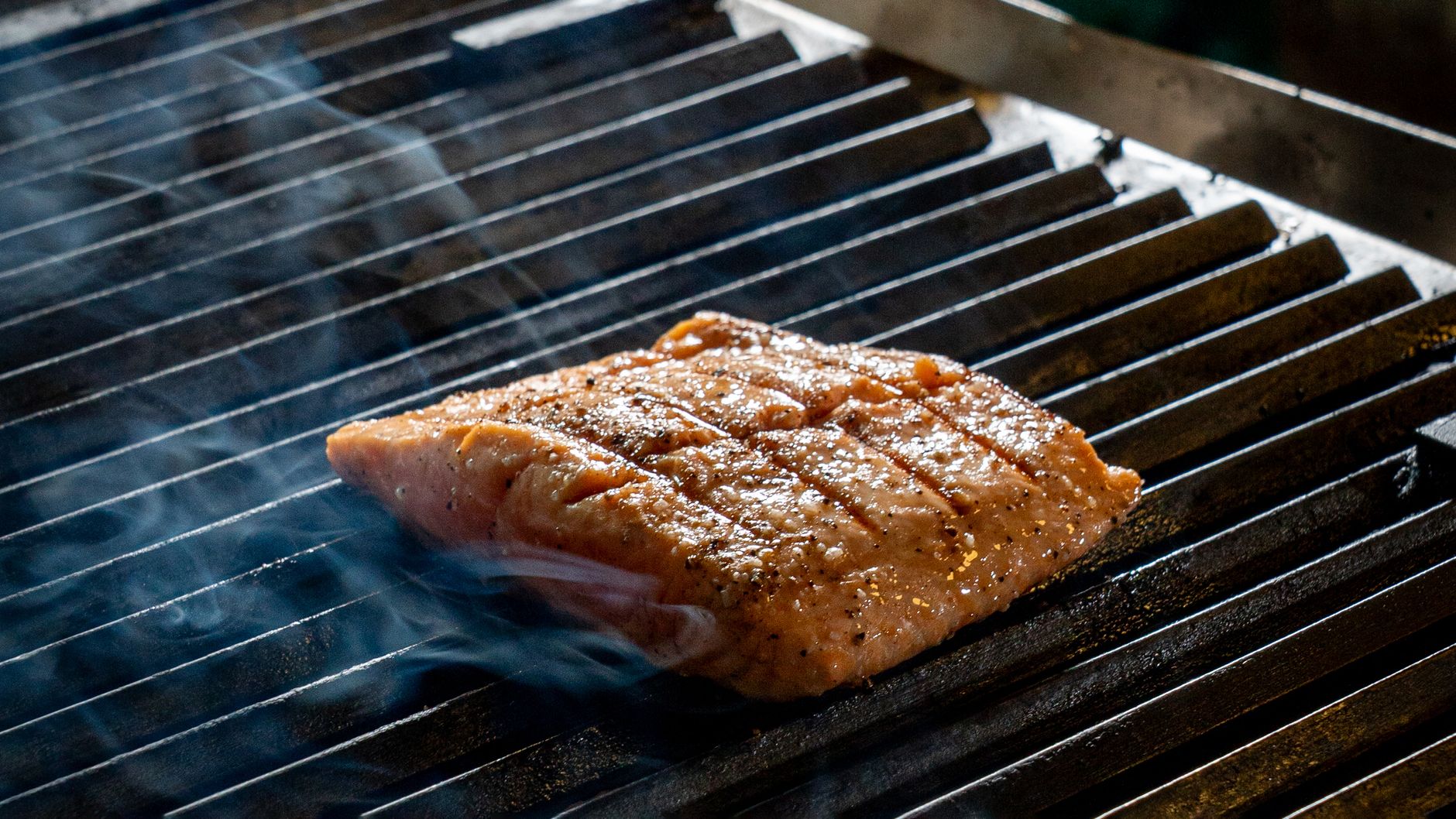
Cooking salmon to the right internal temperature ensures a delicious and safe dining experience. Understanding the appropriate temperature not only improves the texture and flavor of the fish but also minimizes health risks associated with undercooked seafood.
This guide will explore the best internal temperature for perfectly cooked salmon, including tips on cooking methods, signs of doneness, and food safety practices that are essential for any home cook.
What Internal Temp For Salmon?
The ideal internal temperature for cooked salmon is 145°F (63°C). At this temperature, the salmon will be opaque and easily flake with a fork, while still retaining moisture for that desirable tender texture.
Cooking salmon to this temperature is endorsed by the USDA for food safety, helping to eliminate the risk of harmful bacteria while preserving its delicious flavor.
Understanding Salmon Varieties
Different types of salmon, such as King, Sockeye, Coho, and Atlantic, vary slightly in taste and texture. Choosing the right type can affect cooking times and methods:
- King Salmon (Chinook) – Rich and fatty, ideal for grilling.
- Sockeye Salmon – Bright red color with a robust flavor, suitable for broiling.
- Coho Salmon – Milder and slightly less fatty, best for poaching.
- Atlantic Salmon – Farmed variety, common in grocery stores, versatile for various cooking methods.
Methods for Cooking Salmon
Salmon can be prepared using various cooking techniques that can influence its taste and texture. Here are the most popular methods:
Baking
Baking is an easy and healthy way to cook salmon. Preheat your oven to 375°F (190°C) and bake the salmon for 12-15 minutes. A food thermometer will confirm when the internal temp reaches 145°F (63°C).
Grilling
Grilling imparts a smoky flavor. Preheat the grill to medium heat and grill for about 6-8 minutes per side, depending on the thickness. Check the internal temperature to ensure it has reached 145°F (63°C).
Pan-Searing
For a crispy skin, pan-searing is ideal. Heat a skillet over medium-high heat with a little oil, and cook skin-side down for about 6 minutes, then flip. Cook until the fish reaches the desired temperature.
Poaching
This method keeps the salmon moist and is very gentle. Simmer salmon fillets in a seasoned broth or water for 15-20 minutes, checking the internal temperature carefully.
Broiling
Broiling cooks the top of the salmon at high heat and takes about 8-10 minutes. Ensure to check the internal temperature to avoid overcooking.
Signs of Doneness
In addition to using a food thermometer, several visual cues can indicate when salmon is done:
- The salmon should change from translucent to opaque.
- Use a fork to see if it flakes easily. If it breaks apart easily, it’s likely cooked.
- Check the color at the thickest part of the fish; it should have a light pink color.
Common Mistakes and Troubleshooting
Even seasoned cooks sometimes struggle with cooking salmon perfectly. Here are some pitfalls to avoid:
- Overcooking: It can dry out the salmon, so monitor the temperature closely.
- Cooking at Too High a Temperature: This can cause the outside to cook faster than the inside.
- Skipping the Resting Time: Let salmon rest for a few minutes after cooking for even temperature distribution.
Meal Planning with Salmon
Salmon is a versatile ingredient that can fit into various meal plans. Here are some ideas:
- Weeknight Dinners: Pair baked salmon with roasted vegetables and quinoa for a healthy meal.
- Lunch Prep: Make salmon salad with Greek yogurt, dill, and celery for sandwiches or wraps.
- Salmon for Breakfast: Use leftover salmon in a frittata with spinach and cheese.
Storage and Reheating Salmon
To keep leftover salmon delicious, it is important to store it properly:
- Store leftovers in an airtight container in the refrigerator for up to 3 days.
- Reheat salmon gently in the oven or in a skillet over low heat to prevent drying out.
- Avoid reheating in the microwave, as it can make the salmon rubbery and dry.
Substitutions and Variations
If you are looking to explore options, consider these substitutions:
- Other Fish: Trout or mackerel can be used similarly to salmon.
- Seasoning: Try different herbs and spices like dill, garlic, or chili for varied flavor profiles.
- Cooking Methods: Use the same timing and temperatures with alternative cooking methods like sous-vide for precision.
Food Safety Tips
Ensuring food safety is paramount when preparing seafood. Here are several critical guidelines:
- Always purchase salmon from a reputable source.
- Keep salmon refrigerated and consume it within 1-2 days of purchase if uncooked.
- Thaw frozen salmon in the refrigerator, not at room temperature.
Conclusion
Cooking salmon to an internal temperature of 145°F (63°C) is essential for both flavor and food safety. By understanding cooking methods, visual cues of doneness, and proper storage techniques, you can enjoy perfectly cooked salmon every time. Begin with the basics to explore your favorite recipes, and don’t hesitate to try cooking techniques that match your preferences!
Explore more about proper cooking times and safety with our guides on how long to cook tilapia and how to tell if salmon is bad for ultimate culinary confidence.