
Vitamin E is a fat-soluble antioxidant that plays a vital role in protecting cells from oxidative stress. It’s essential for maintaining healthy skin, eyes, and immune function. This article explores various foods rich in Vitamin E, their health benefits, and how to incorporate them into your diet.
Understanding which foods contain Vitamin E can facilitate better meal planning and improve overall nutrition. Below, you’ll find a detailed breakdown of sources of this essential nutrient, along with preparation tips and serving suggestions.
What Has Vitamin E?
Many foods contain Vitamin E, most notably plant-based oils, nuts, seeds, and green leafy vegetables. The most common forms of Vitamin E found in food are tocopherols and tocotrienols, each contributing uniquely to health.
Sources of Vitamin E
Here’s a detailed look at some of the top food sources of Vitamin E.
Nuts and Seeds
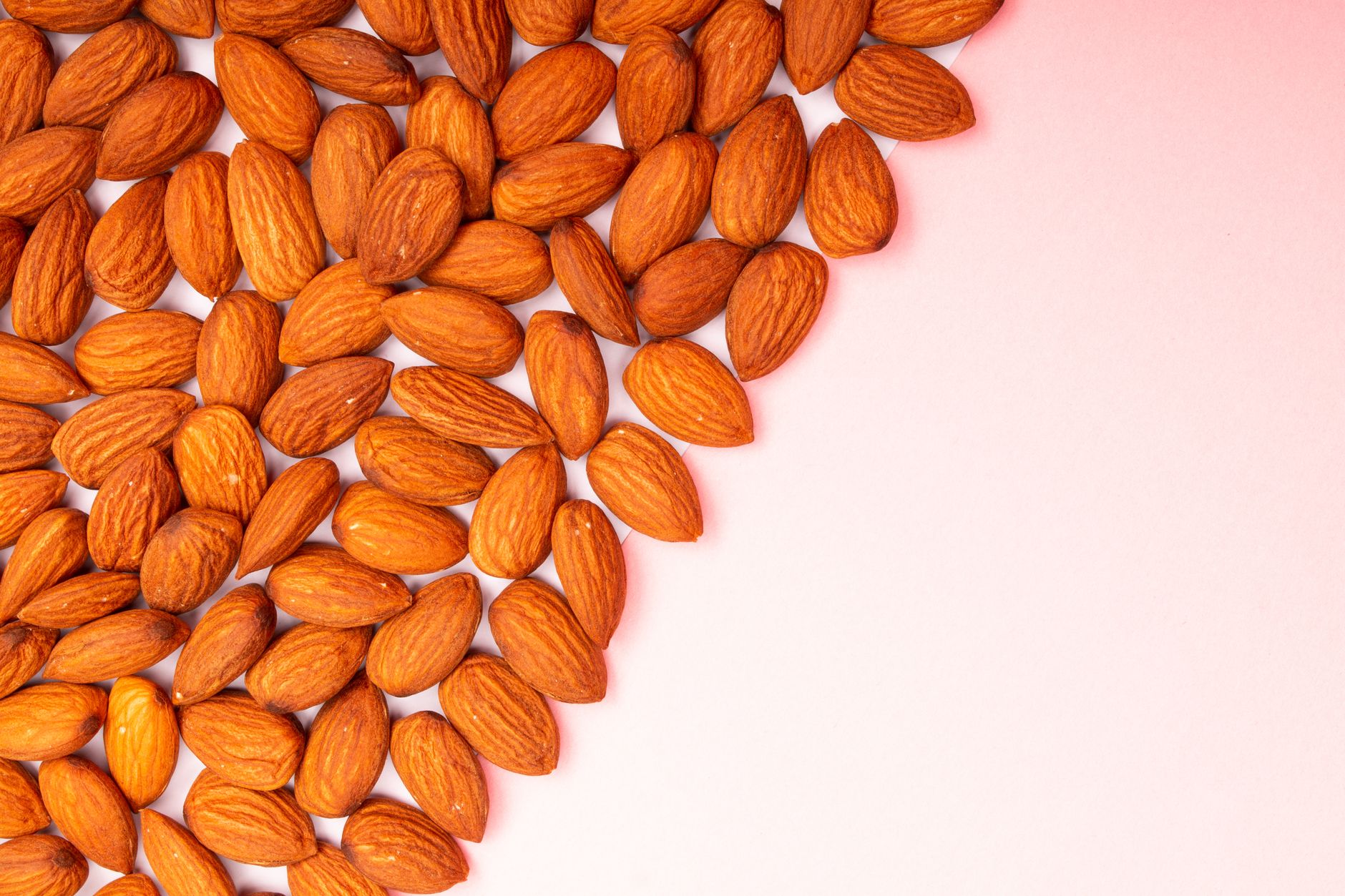
- Almonds: One ounce (about 23 nuts) contains approximately 7.3 mg of Vitamin E.
- Sunflower Seeds: One ounce provides about 7.4 mg of Vitamin E, making them one of the richest sources.
- Hazelnuts: One ounce has approximately 4.3 mg of Vitamin E.
- Pine Nuts: An ounce contains about 2.7 mg of Vitamin E.
Nuts and seeds are easy to incorporate into various meals. Add them to salads, mix them into homemade granola, or use them as toppings for yogurt or oatmeal.
Vegetable Oils
- Wheat Germ Oil: This oil is incredibly rich in Vitamin E, with about 20 mg per tablespoon.
- Sunflower Oil: Contains approximately 5.6 mg of Vitamin E per tablespoon.
- Safflower Oil: Offers around 4.6 mg of Vitamin E per tablespoon.
- Olive Oil: Provides about 1.9 mg of Vitamin E per tablespoon.
Vegetable oils can be used for cooking, salad dressings, or drizzling over roasted vegetables. Choosing oils high in Vitamin E can enhance both the nutritional value and flavor of your meals.
Green Leafy Vegetables
- Spinach: One cup of cooked spinach contains about 6.7 mg of Vitamin E.
- Swiss Chard: Provides roughly 3.3 mg of Vitamin E per cup, cooked.
- Kale: One cup of cooked kale has about 1.1 mg of Vitamin E.
- Turnip Greens: Offers around 1.5 mg of Vitamin E per cooked cup.
Incorporating green leafy vegetables into your diet can be as simple as adding them to smoothies, salads, or soups. Sauté them with olive oil for a nutrient-dense side dish.
Fruits
- Avocado: One fruit provides about 2.7 mg of Vitamin E.
- Kiwi: Contains approximately 1 mg of Vitamin E per medium-sized fruit.
- Mango: One medium mango delivers around 1.5 mg of Vitamin E.
- Blackberries: About 1.2 mg of Vitamin E per cup.
Fruits can be enjoyed on their own as snacks, blended into smoothies, or featured in salads and desserts.
Fortified Foods
Certain foods are fortified with Vitamin E, including:
- Cereals: Many breakfast cereals have added Vitamin E; check labels for specific amounts.
- Juices: Some brands of fruit juices may also be fortified with Vitamin E.
- Dairy Products: Some dairy products, like margarine, can contain added Vitamin E.
These fortified foods can help meet your Vitamin E intake, especially for breakfast or quick meals.
Vitamin E in Cooking
Cooking with Vitamin E-rich foods can enhance both health and flavor. Here are some cooking techniques that highlight these ingredients:
Using Oils Effectively
When cooking with oils high in Vitamin E, keep the following in mind:
- Use oils with stable smoke points for frying, such as sunflower or safflower oil.
- In dressings, combine oils rich in Vitamin E with vinegar or lemon juice for flavor diversity.
- Drizzle oils over steamed vegetables just before serving to retain nutrients.
Mixing Nuts and Seeds into Dishes
Including nuts and seeds in your meals is versatile:
- Sprinkle on oatmeal or yogurt for added crunch and nutrition.
- Blend into smoothies for a creamy texture.
- Use as a coating for proteins or vegetables before baking.
Enhancing Salads with Greens and Fruits
When preparing salads, combine:
- Dark leafy greens with fruits like mango or avocado for a sweet and savory balance.
- Nuts or seeds to add a satisfying crunch.
- Oliver oil-rich dressings to enhance flavor while increasing Vitamin E intake.
Benefits of Vitamin E
Vitamin E offers numerous health benefits, including:
- Antioxidant Properties: It helps protect cells from oxidative damage caused by free radicals.
- Boosts Immune Function: Supports the immune system, particularly in older adults.
- Skin Health: Aids in maintaining healthy skin and may help reduce the appearance of scars.
- Supports Eye Health: May lower the risk of age-related macular degeneration (AMD).
Recommended Daily Allowance
The recommended daily allowance (RDA) for Vitamin E varies by age and life stage:
- Adults (19 years and older): 15 mg (22.4 IU)
- Pregnant women: 15 mg (22.4 IU)
- Breastfeeding women: 19 mg (28.4 IU)
It’s important to note that most people achieve the recommended amounts through a balanced diet rich in nuts, seeds, and oils. However, supplementation should only be considered with a healthcare professional’s guidance.
Common Mistakes When Incorporating Vitamin E Foods
When trying to increase Vitamin E intake, keep these common pitfalls in mind:
- Overcooking Vegetables: Overcooking can lead to nutrient loss. Light steaming or sautéing preserves both flavor and nutrition.
- Ignoring Portion Sizes: While nuts and oils are nutritious, they are calorie-dense. Be mindful of portions to prevent excessive caloric intake.
- Relying Solely on Supplements: Real food sources provide a range of nutrients beyond just Vitamin E.
Storage and Shelf Life of Vitamin E Foods
To maximize the shelf life and nutritional value of Vitamin E-rich foods, follow these guidelines:
- Nuts and Seeds: Store in a cool, dark place. Refrigerating or freezing can prolong freshness.
- Oils: Keep oils in a dark glass container away from heat and light to prevent rancidity.
- Fresh Vegetables and Fruits: Store in the refrigerator to maintain freshness.
Conclusion
Incorporating Vitamin E-rich foods into your diet can be simple and delicious. With options ranging from tasty nuts to vibrant green leafy vegetables and healthy oils, you can create a variety of meals that support not just your Vitamin E intake but overall health. Aim for a balanced, varied diet to ensure you capture the full benefits of this essential nutrient.
Explore recipes and tips to enhance your cooking by checking out more about the benefits of chia seeds and diving into foods that are rich in iron.