
Folate, also known as vitamin B9, is an essential nutrient that plays a crucial role in cell division, DNA synthesis, and overall health. It’s particularly important for pregnant women, as it significantly reduces the risk of neural tube defects in developing babies. Understanding which foods are rich in folate can help you incorporate this vital nutrient into your diet with ease.
This guide explores a variety of foods that are excellent sources of folate, their flavors, culinary uses, and tips on how to incorporate them into your meals. Get ready to discover tasty options that will boost your folate intake while adding vibrant colors and textures to your plate.
What Has Folate In It?
Folate can be found in a range of foods, particularly fruits, vegetables, legumes, and grains. Some of the richest sources include leafy greens, legumes, nuts, and fortified products. Including these foods in your diet can help ensure you meet your daily folate needs.
Folate-Rich Foods
To help you plan meals that are not only healthy but also packed with folate, here’s a closer look at some of the top folate-rich ingredients:
- Leafy Greens: Spinach, kale, and collard greens are among the best sources, offering over 200 micrograms (mcg) of folate per serving.
- Legumes: Lentils, chickpeas, and black beans are excellent plant-based sources, providing between 250 and 500 mcg of folate per cup when cooked.
- Citrus Fruits: Oranges and grapefruit not only provide vitamin C but also contain about 40 to 50 mcg of folate per serving.
- Nuts and Seeds: Almonds, sunflower seeds, and peanuts contain healthy fats and folate, with about 30 to 45 mcg per ounce.
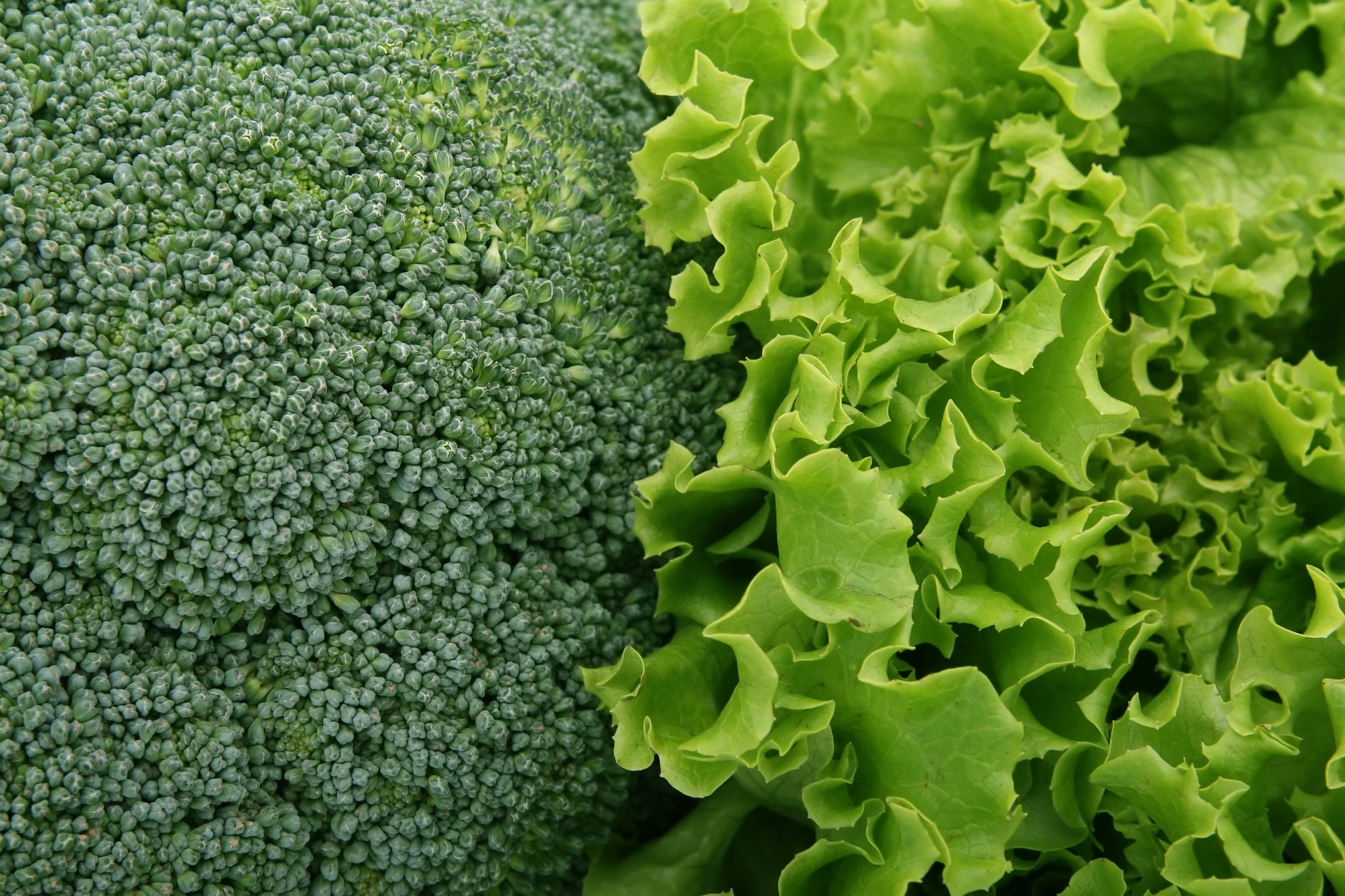
- Cruciferous Vegetables: Broccoli and Brussels sprouts are solid sources, offering around 100 mcg of folate per cooked cup.
- Fortified Cereals: Many breakfast cereals have added folate, often providing 100 to 400 mcg per serving.
- Asparagus: This vegetable is delicious when grilled or roasted and has about 260 mcg of folate per cooked cup.
- Avocado: Besides being rich in healthy fats, one whole avocado can provide around 120 mcg of folate.
Cooking with Folate-Rich Ingredients
Incorporating folate-rich foods into your cooking can be both enjoyable and straightforward. Here are some meal ideas and cooking suggestions to maximize folate intake:
Leafy Green Salads
Combine spinach, kale, and arugula to create a vibrant salad. Add almonds for crunch and an orange vinaigrette that enhances the flavor while providing additional vitamin C. A simple salad recipe might include:
- 4 cups mixed leafy greens (spinach, kale, arugula)
- 1 orange, segmented
- 1/4 cup sliced almonds
- 1/4 cup olive oil
- Juice of one lemon
- Salt and pepper to taste
Legume-Based Dishes
Introduce lentils or chickpeas into soups, stews, or curries for a hearty, nutritious meal. For example, a simple lentil soup may include:
- Ingredients: 1 cup lentils, 1 chopped onion, 2 chopped carrots, 2 celery stalks, 4 cups vegetable broth, 1 teaspoon cumin, salt, and pepper.
- In a pot, sauté the onion, carrots, and celery over medium heat until soft.
- Add the lentils and vegetable broth, along with cumin, salt, and pepper.
- Bring to a boil, then reduce heat to a simmer for 25-30 minutes until lentils are tender.
- Blend if desired for a creamier texture, and serve warm.
Vegetable Stir-Fries
Stir-frying broccoli, asparagus, or Brussels sprouts is an excellent way to preserve their folate content while adding flavor. Use a mix of materials like garlic, ginger, and soy sauce to enhance the taste:
- Heat 2 tablespoons of oil in a large pan or wok over high heat.
- Add minced garlic and ginger, sauté for 30 seconds.
- Add 2 cups chopped vegetables and stir-fry for 4-5 minutes until tender-crisp.
- Drizzle with soy sauce and serve over cooked quinoa or brown rice.
Folate in Fruits and Snacks
Fruits can also contribute to your folate intake, and they make for great snacks or breakfast options. Delicious ways to enjoy folate-rich fruits include:
Breakfast Smoothies
Create a refreshing smoothie using oranges, bananas, and avocado. Here’s how:
- Ingredients: 1 orange, 1 banana, 1/2 avocado, 1 cup spinach, 1 cup almond milk.
- Combine all ingredients in a blender and blend until smooth.
- Pour into a glass and enjoy a nutritious start to your day.
Dried Fruits and Nuts Trail Mix
Make a quick trail mix with dried fruits such as raisins and apricots, along with nuts like almonds and walnuts. This mix serves as a great snack and is easy to take on the go:
- 1/2 cup dried apricots (90 mcg of folate)
- 1/2 cup raisins (30 mcg of folate)
- 1/2 cup almonds (45 mcg of folate)
- 1/2 cup sunflower seeds (30 mcg of folate)
Choosing and Storing Folate-Rich Foods
Selection and storage of folate-rich foods can impact both their nutrient levels and freshness, so consider the following tips:
Buying Tips
- When selecting leafy greens, look for bright, crisp leaves without wilting or browning.
- Opt for organic produce when possible to reduce pesticide exposure.
- For canned legumes, choose low-sodium options or rinse them before use to lower salt content.
Storage Guidelines
- Store leafy greens wrapped in a paper towel inside a plastic bag in the refrigerator to keep them fresh longer.
- Legumes can be stored in an airtight container in a cool, dry place if dried, or in the refrigerator if cooked.
- Citrus fruits can stay at room temperature but will last longer in the refrigerator.
Cooking Techniques to Preserve Folate
How you cook your folate-rich foods can significantly influence the nutrient levels. Here are some effective techniques:
Steaming
Steaming vegetables helps retain their folate and other nutrients. It typically requires less time than boiling, which can leach vitamins into the water.
Minimizing Cooking Time
Always aim to cook folate-rich foods for the shortest time possible. Crisp-tender vegetables ensure you’re getting the maximum health benefits.
Avoiding High Temperatures
Using lower temperatures and methods like sautéing instead of frying can help preserve folate levels in foods.
Common Mistakes When Cooking with Folate-Rich Foods
Even if you’re using a folate-rich ingredient, mistakes can reduce its health benefits. Below are common pitfalls:
- Overcooking vegetables can lead to significant nutrient loss; always keep an eye on cooking times.
- Using too much water when boiling can wash away soluble vitamins; rather opt for steaming or minimal water.
- Ignoring freshness can decrease the available nutrients; always choose the freshest ingredients possible.
Conclusions on Folate and Meal Planning
Incorporating folate into your diet is both easy and enjoyable with a variety of delicious options available. By choosing a mix of nutritious ingredients and experimenting with different cooking methods, you can maximize your folate intake and enhance your overall health.
To effectively meal plan for folate, consider building a menu that includes:
- A leafy green salad with nuts and fruits for lunch.
- A colorful stir-fried vegetable dish with legume-based protein for dinner.
- Fruit smoothies and trail mixes for nutritious snacks throughout the day.
Make it a habit to check food labels for fortified products that can further enhance your folate consumption. The combination of fresh and fortified foods ensures you meet your nutritional goals while enjoying varied flavors and textures.
For more ways to enhance your meals, check out recipes such as chia pudding or explore the unique flavor and health benefits of dandelion greens. Enjoy your culinary journey with folate-rich foods!