
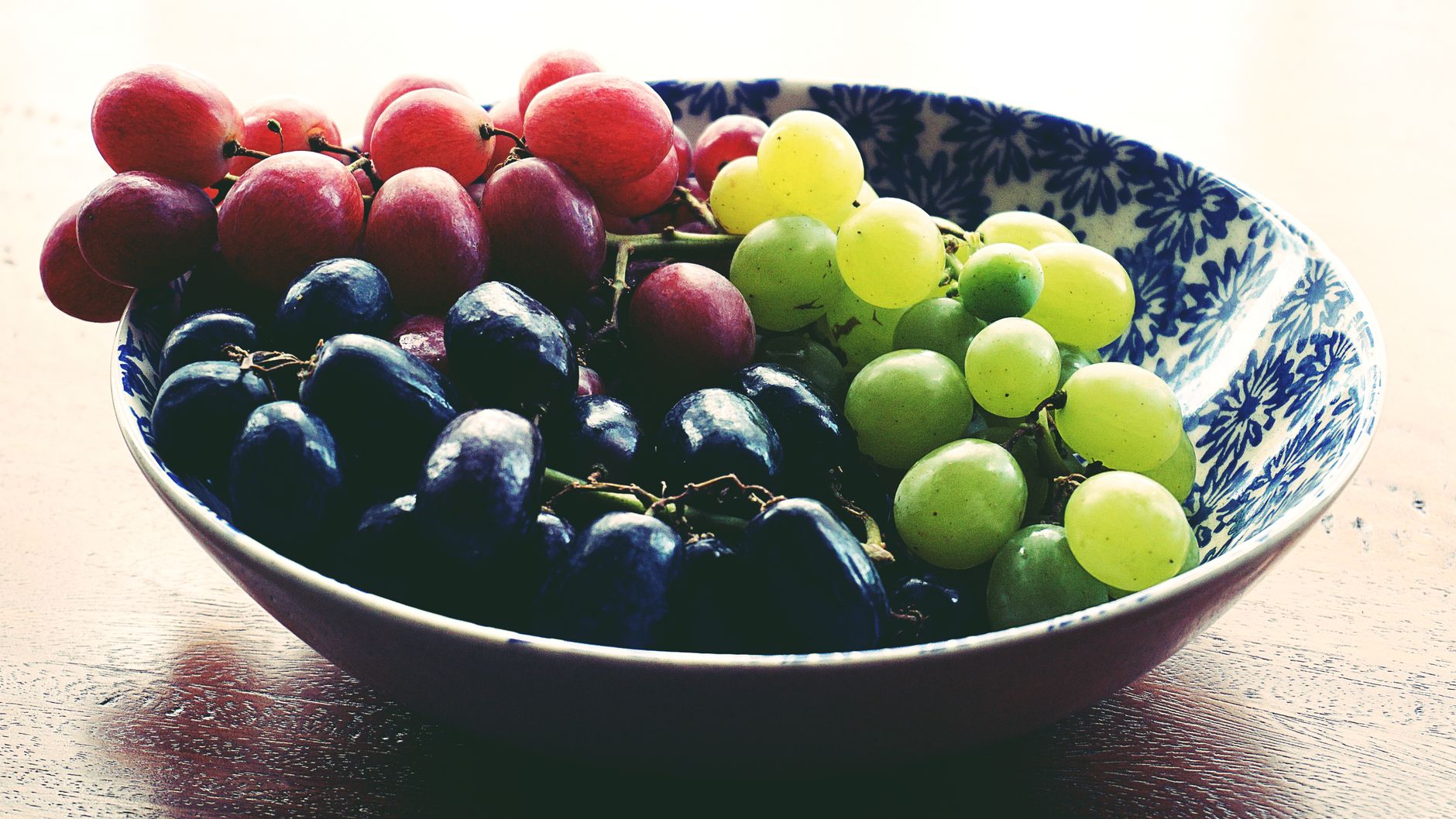
Grapes are a popular and nutritious fruit often enjoyed for their sweetness and versatility. However, overeating them can lead to certain effects on the body, particularly due to their sugar content and fiber. Understanding these consequences helps us enjoy grapes wisely, balancing their health benefits with moderation.
This guide explores what happens if you indulge in too many grapes at once, including possible side effects, nutritional information, and suggested serving sizes. Whether you love snacking on grapes or using them in recipes, knowing how much is too much can enhance your enjoyment of this delicious fruit.
What Happens If You Eat Too Many Grapes?
If you eat too many grapes, you may experience gastrointestinal discomfort, such as bloating, gas, or diarrhea. Grapes are high in natural sugars and fiber, which can overload your digestive system if consumed in excess.
Nutritional Breakdown of Grapes
Before diving into the complications of overeating grapes, it’s helpful to understand their nutritional profile. Grapes are primarily composed of water and carbohydrates, with sugars accounting for a significant portion of their calorie content.
Nutrition Facts
| Nutrient | Amount per 100g |
|---|---|
| Calories | 69 |
| Carbohydrates | 18g |
| Natural Sugars | 15g |
| Fiber | 0.9g |
| Protein | 0.6g |
| Fat | 0.2g |
| Vitamin C | 10.8mg |
| Potassium | 191mg |
Potential Side Effects of Overindulging
While grapes can be a healthy addition to your diet, consuming them in excess may lead to various side effects. Here are some common issues that can arise:
1. Gastrointestinal Discomfort
Eating large quantities of grapes can overwhelm your digestive system, leading to symptoms such as bloating, gas, and diarrhea. This occurs due to the high fiber content and natural sugars, which may cause fermentation in the gut.
2. Increased Blood Sugar Levels
Grapes contain natural sugars that can raise blood sugar levels. If you have diabetes or are monitoring your sugar intake, it is important to limit portion sizes. Overeating grapes may spike blood sugar, leading to fatigue and increased thirst.
3. Weight Gain
Although grapes are low in calories, excessive consumption can contribute to weight gain if you consume more calories than you burn. This effect is compounded by the sugar content.
4. Kidney Stones
Grapes contain a moderate amount of oxalates, which can contribute to the formation of kidney stones in susceptible individuals. Those with a history of kidney stones may want to limit their grape intake.
5. Allergic Reactions
Some individuals may experience allergic reactions to grapes, exhibiting symptoms such as hives, skin rashes, or difficulty breathing. If you notice such symptoms after consuming grapes, seek medical help immediately.
Recommended Serving Sizes
Moderation is key to enjoying grapes without adverse effects. The recommended serving size for grapes is about 1 cup, which contains around 150 calories and provides a healthy portion of vitamins and fiber. Keep portion sizes in mind to avoid the potential side effects discussed above.
How to Incorporate Grapes into Your Diet
There are many creative ways to enjoy grapes without overindulging. Here are some suggestions:
- Add grapes to salads for extra sweetness and color.
- Blend them into smoothies for a nutrient-rich drink.
- Freeze grapes for a refreshing summer snack.
- Use them in savory dishes, such as roasted chicken with grape glaze.
- Make grape jelly or preserves to enjoy beyond fresh consumption.
Recipes Featuring Grapes
Integrating grapes into various recipes can diversify their use in your diet while controlling portion sizes. Here are two delightful grape-based recipes to inspire your cooking:
Candied Grapes
These sweet treats are perfect for snacking or as a dessert component. They offer a tasty way to enjoy grapes without consuming too many at once.
- 2 cups of seedless grapes
- 1 cup of granulated sugar
- 1 cup of water
- 1 teaspoon of vanilla extract
- In a medium saucepan, combine sugar and water; bring to a boil, stirring until the sugar dissolves.
- Once boiling, add vanilla extract and grapes; cook for an additional 5 minutes.
- Remove from heat and let cool slightly.
- Transfer grapes to a plate lined with parchment paper and allow them to cool completely, where they will harden into a candy-like coating.
- Enjoy your candied grapes as a fun snack!
Grape Jelly Meatballs
This unique appetizer features the surprising combination of grape jelly and meatballs. It’s easy to make and always a hit at parties.
- 1 cup grape jelly
- 1 cup barbecue sauce
- 1 pound frozen meatballs
- In a slow cooker, combine grape jelly and barbecue sauce.
- Add frozen meatballs and stir to coat evenly.
- Cover and cook on low for 4 to 6 hours or until the meatballs are heated through, stirring occasionally.
- Serve warm as appetizers with toothpicks.
Storage and Preservation Tips
To ensure your grapes stay fresh and tasty for longer, proper storage is essential. Here are some tips:
- Store grapes in the refrigerator’s crisper drawer to maintain their freshness.
- Keep grapes unwashed until ready to eat, as moisture can accelerate spoilage.
- Use them within 1 week for the best flavor; if they start to become mushy or wrinkled, they are past their prime.
- Consider freezing grapes for a long-term option—frozen grapes make for a great snack or addition to smoothies.
Conclusion
Grapes are a healthy and versatile fruit, but moderation is critical to avoid potential side effects such as gastrointestinal distress and increased blood sugar levels. Enjoy them as part of a balanced diet, incorporating them into meals and snacks creatively. With a proper understanding of portion sizes and a mindful approach, you can savor the benefits of grapes without overindulging.
For more delicious ways to use grapes, consider trying candied grapes or explore the savory option of grape jelly meatballs. Expand your culinary repertoire while keeping your grape consumption in check!