
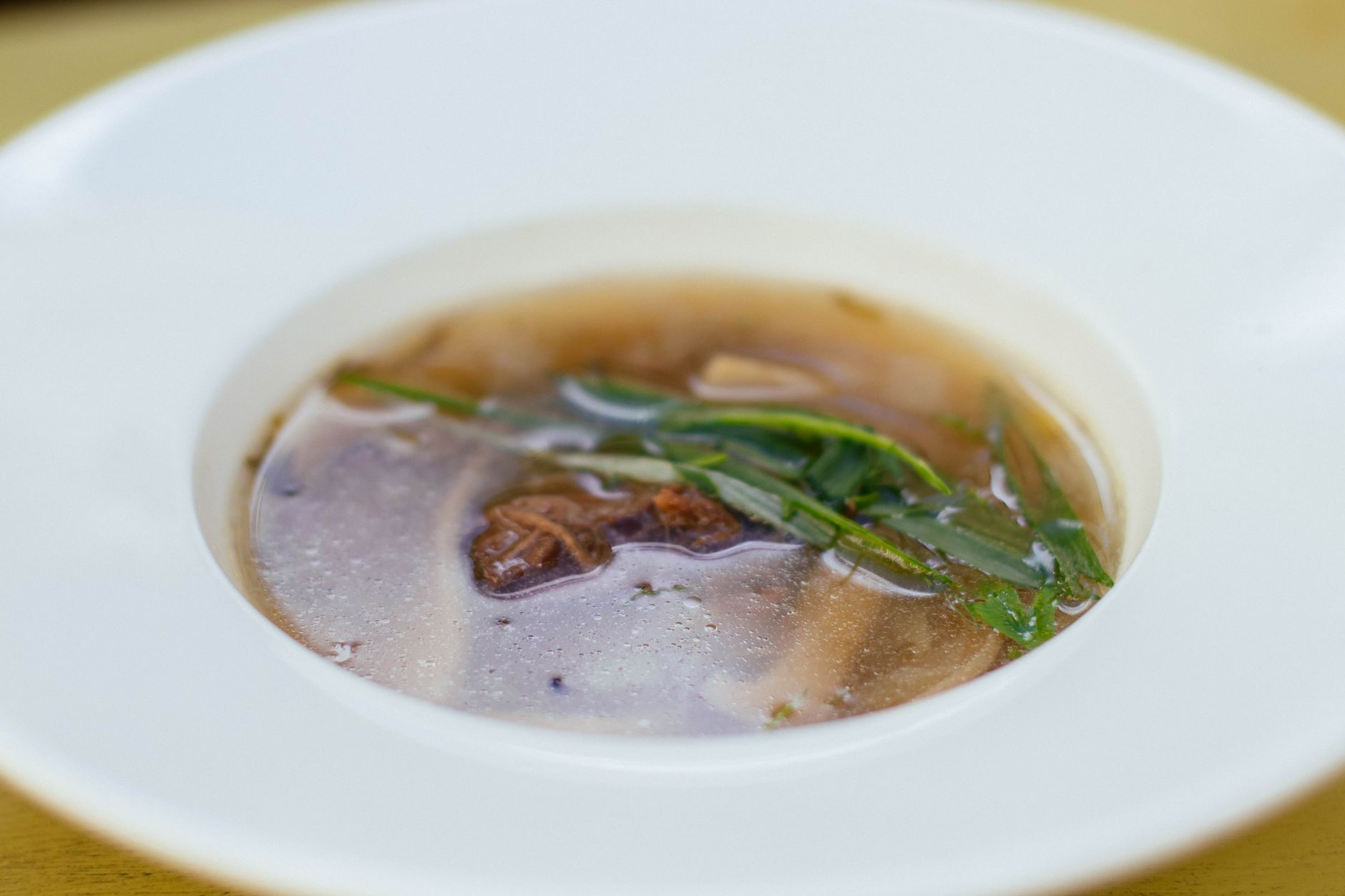
Clear liquid diets are often prescribed for medical reasons, such as before a surgical procedure or after certain medical treatments. They provide hydration and nutrients while minimizing digestive stress. While options may seem limited, there are various soups that can be enjoyed on a clear liquid diet.
This article details what soups are suitable for a clear liquid diet, what makes them clear, nutritional considerations, and recipes for making these soups at home. Understanding what constitutes a clear liquid soup can ensure compliance with your dietary restrictions while still allowing for flavorful options.
What Soups Can You Eat on a Clear Liquid Diet?
Soups that are acceptable on a clear liquid diet usually consist of clear broth or strained liquids that exhibit transparency. This means avoiding any solid pieces, such as vegetables, meats, or grains. Common options for clear liquid soups include chicken broth, beef broth, vegetable broth, and certain clear miso or consomme soups.
Understanding Clear Liquid Diets
Before delving into specific soups, it’s helpful to understand the purpose and guidelines of a clear liquid diet. The diet typically includes beverages and foods that are clear and free from any solid matter.
Here’s a brief overview of what a clear liquid diet entails:
- Provides hydration and essential nutrients.
- Consists of clear liquids only: broths, juices without pulp, clear sodas, and gelatin.
- Aims to minimize digestive residue and is gentle on the stomach.
Types of Clear Liquid Soups
When selecting soups for a clear liquid diet, the focus should be on those that can be strained or have a clear appearance. Here are some common types of clear liquid soups:
1. Broth-based Soups
Broth-based soups are the most common and widely accepted options. They can be made from various ingredients but should always be strained to ensure clarity. Popular choices include:
- Chicken Broth: Made from simmered chicken and water.
- Beef Broth: Prepared by boiling beef bones or meat.
- Vegetable Broth: Typically includes water, herbs, and vegetables for flavor, strained for clarity.
2. Bone Broth
Bone broth is a nutrient-rich option that provides protein and minerals. This broth is made by simmering animal bones in water for an extended period, leading to a rich flavor. Ensure it is well-strained before consumption to maintain clarity.
3. Clear Consomme
Consomme is a clarified broth. It’s typically made by simmering meats or vegetables with flavorings and then clarifying the liquid through a process that removes impurities. Consomme has an intense flavor and is served hot.
4. Miso Soup
Clear miso soup can also be included in a clear liquid diet if it is strained. This soup is made with miso paste, which is a fermented soybean product. Ensure no solid pieces, such as scallions or tofu, remain in the soup before consuming it.
Nutritional Considerations
Soups on a clear liquid diet should be not only clear but also well-balanced in terms of nutrition. They should provide hydration and necessary nutrients while complying with diet restrictions. Here are several factors to keep in mind:
- Sodium Content: Many pre-made broths can contain high sodium levels, so consider low-sodium options or make your broth at home to control the ingredients.
- Fat Content: Avoid using fatty cuts of meat or excess oils in your homemade broths. Lean meats are ideal.
- Nutrient Density: Strive for a balance of protein, minerals, and flavors while keeping the broth clear.
How to Make Clear Broth Soups
Creating clear broth soups at home allows for customization while ensuring compliance with your diet. Here’s how to make various types of clear broths.
Homemade Chicken Broth
This nourishing chicken broth recipe is simple and can be prepared in under two hours. It serves as an excellent soup for a clear liquid diet.
Ingredients:
- 1 whole chicken (about 3-4 pounds)
- 10 cups of water
- 2 carrots, chopped
- 2 celery stalks, chopped
- 1 onion, quartered
- 2 cloves garlic, smashed
- Salt, to taste
- Fresh herbs (optional: parsley, thyme)
Instructions:
- Place the chicken in a large pot and cover it with water.
- Add vegetables, garlic, salt, and herbs if using.
- Bring to a boil over high heat. Reduce to a simmer and cook for 1.5 hours.
- Skim any foam that rises to the top to maintain clarity.
- Once cooked, carefully remove the chicken and strain the broth through a fine-mesh sieve.
- Cool the broth before refrigerating or serving.
Homemade Beef Broth
Beef broth can provide a richer flavor and is also suitable for a clear liquid diet. Here’s a tutorial for making it.
Ingredients:
- 3 pounds beef bones (with marrow)
- 10 cups of water
- 1 onion, quartered
- 2 carrots, chopped
- 2 celery stalks, chopped
- 1-2 bay leaves
- Salt, to taste
- Black peppercorns (optional)
Instructions:
- In a roasting pan, arrange the bones and roast at 400°F (200°C) for 30-40 minutes until browned.
- Transfer the roasted bones to a pot and add water along with the vegetables, bay leaves, and seasonings.
- Bring to a boil; then reduce heat and let simmer for at least 6-8 hours, skimming surface impurities.
- Strain the broth through a fine-mesh sieve and discard solids. Cool before storage or serving.
Making Clear Vegetable Broth
This recipe is perfect for a vegetarian option while ensuring the broth remains clear.
Ingredients:
- 10 cups of water
- 2 carrots, chopped
- 2 celery stalks, chopped
- 1 onion, quartered
- 2 cloves garlic, smashed
- Fresh herbs (parsley, thyme)
- Salt and pepper, to taste
Instructions:
- Combine all ingredients in a large pot and cover with water.
- Bring to a boil, then reduce to a simmer. Cook for about 45 minutes to 1 hour.
- Strain through a fine-mesh sieve and season to taste.
- Allow it to cool and then refrigerate or serve warm.
Practical Tips for Clear Soup Preparation
Here are several practical tips to consider when preparing soups for a clear liquid diet:
- Strain Thoroughly: Always strain your soups well to ensure clarity.
- Cool Before Storing: If storing broth, allow it to cool down completely to prevent spoilage.
- Use High-Quality Ingredients: Using fresh and high-quality ingredients will enhance the flavor of your broths.
Packing and Storing Clear Soups
If you’re preparing clear soups in advance, it is crucial to store them properly. Here’s how:
- Allow the soup to cool completely at room temperature for no more than two hours.
- Store in airtight containers. If freezing, use containers that leave room for expansion.
- Label containers with the date and type of soup. Consume within 3-4 days when refrigerated, or freeze for up to three months.
Common Mistakes to Avoid
When making or consuming clear liquid soups, be mindful of these common pitfalls:
- Not Skimming: Failing to skim off impurities can affect the clarity and flavor.
- Using Cloudy Ingredients: Avoid ingredients like whole grains or legumes, which can cloud the broth.
- Skipping the Strain: Forgetting to strain leads to undesired suspended particles in the liquid.
Serving Suggestions
While soups are typically consumed alone on a clear liquid diet, consider these serving suggestions to enhance your experience:
- Add a sprinkle of fresh herbs (parsley, cilantro) for additional flavor before serving.
- Serve hot in a warmed bowl to maintain optimal temperature.
- Accompany soups with clear liquids like water or herbal teas for balanced hydration.
A clear liquid diet can seem restrictive, but with creativity and simplicity, clear soups can provide warmth and comfort while meeting dietary needs. Whether you’re recovering from an illness or preparing for a procedure, these clear broth options ensure nourishment without excess.
Explore more clear soup recipes to broaden your options and keep your meal plan interesting. You can try a clear soup recipe or embrace a different flavor profile by making a cheeseburger soup recipe once you’re ready to reintroduce solids.