
Maintaining a healthy diet often includes ensuring adequate potassium intake. Potassium is an essential mineral that plays a key role in maintaining proper body function, including fluid balance, muscle contractions, and nerve signaling. Many fruits and vegetables are rich in potassium, making them excellent choices for those looking to boost their intake naturally.
This guide will explore various fruits and vegetables high in potassium, their nutritional profiles, and how to incorporate them into your diet. You’ll discover serving sizes, preparation tips, and practical ways to add these potassium-rich foods to your meals.
What Fruits and Vegetables Have Potassium?
Numerous fruits and vegetables are outstanding sources of potassium. Primarily, a diet rich in these foods can help meet the daily requirement of 2,500 to 3,000 mg for adults. Here’s a breakdown of some of the most potassium-rich options by servings.
Fruits High in Potassium
Fruits are not only delicious but also provide an excellent source of potassium. Here’s a list of some fruits that pack a potassium punch:
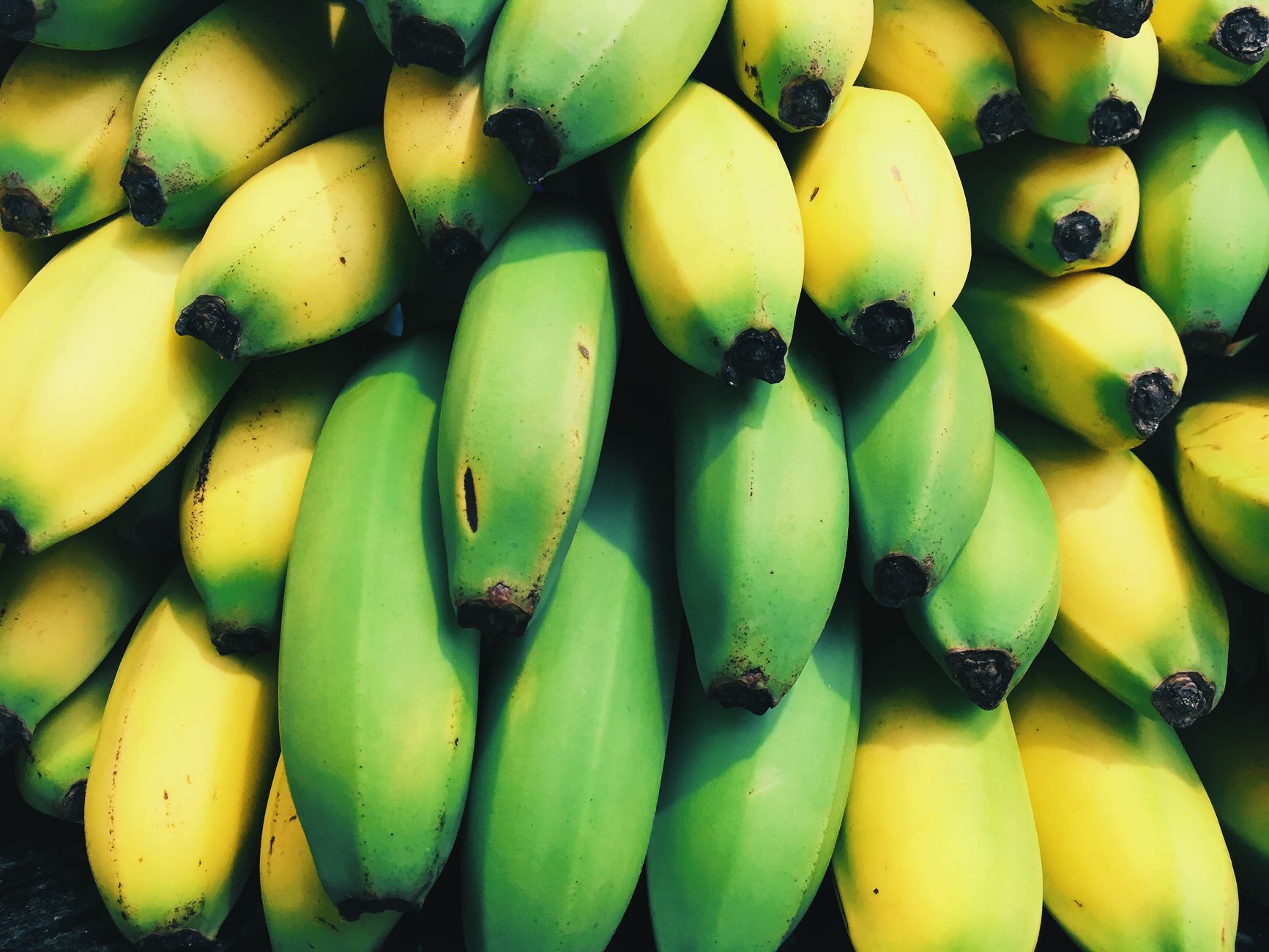
- Bananas: A medium-sized banana contains approximately 422 mg of potassium. Bananas are versatile and can be used in smoothies, on cereal, or as a quick snack.
- Avocados: One whole avocado provides around 975 mg of potassium. This creamy fruit can be used in salads, spreads, or guacamole.
- Potatoes: Although often considered a vegetable, potatoes are technically fruits. A medium potato with the skin has about 926 mg of potassium. They can be baked, mashed, or roasted.
- Cantaloupe: One cup of cantaloupe contains approximately 431 mg of potassium. This sweet melon is refreshing in fruit salads or as a snack on hot days.
- Oranges: A medium orange provides about 237 mg of potassium. Enjoy them fresh, juiced, or in salads.
- Apricots: Four fresh apricots contain around 391 mg of potassium. They are great dried or fresh, adding sweetness to salads and desserts.
- Kiwi: A medium kiwi contains around 215 mg of potassium. Kiwis add a tart flavor and vibrant color to fruit salads and desserts.
- Prunes: A half-cup of prunes has approximately 637 mg of potassium. They make a sweet addition to oatmeal and yogurt or can be eaten as a snack.
- Tomatoes: One medium-sized tomato has about 292 mg of potassium. They are highly versatile, perfect in salads, sauces, or on their own.
- Strawberries: A cup of sliced strawberries contains around 238 mg of potassium. Use them in smoothies, desserts, or alone as a snack.
Vegetables High in Potassium
Incorporating vegetables into your diet can significantly boost your potassium levels. Here’s a list of some vegetable options high in potassium:
- Spinach: One cup of cooked spinach contains approximately 839 mg of potassium. Use it in salads, smoothies, or as an excellent side dish.
- Sweet Potatoes: A medium sweet potato has about 540 mg of potassium. They can be baked, roasted, or mashed.
- Beet Greens: One cup of cooked beet greens provides roughly 1,300 mg of potassium. Use them in salads, sautés, or as a cooked green.
- Swiss Chard: One cup of cooked Swiss chard delivers around 961 mg of potassium. It can be sautéed or added to soups and stews.
- White Beans: A cup of cooked white beans contains about 1,189 mg of potassium. They can be used in soups, stews, or as a salad component.
- Brussels Sprouts: One cup of cooked Brussels sprouts has approximately 504 mg of potassium. They can be roasted, steamed, or shredded in salads.
- Mushrooms: One cup of cooked mushrooms provides around 428 mg of potassium. They are excellent in stir-fries, soups, or risottos.
- Carrots: A medium carrot contains about 210 mg of potassium. Eat them raw, cooked, or juiced.
- Peas: One cup of green peas offers around 354 mg of potassium. They are great in soups, salads, or as a side dish.
- Squash: One cup of cooked spaghetti squash contains approximately 484 mg of potassium. It can be used as a low-carb pasta alternative.
Importance of Potassium
Potassium is vital for multiple bodily functions. It helps maintain fluid balance, supports muscle contractions, and enables proper nerve function. Adequate potassium intake is essential for heart health as it helps regulate blood pressure and supports cardiovascular health.
In addition to these benefits, potassium plays a role in bone health. Higher potassium intake may help reduce the risk of kidney stones and decrease the loss of calcium in urine.
How to Include More Potassium-Rich Foods in Your Diet
Integrating potassium-rich fruits and vegetables into your meals can be both enjoyable and fulfilling. Here are some practical tips on how to increase your potassium intake.
Breakfast Ideas
- Start your day with a smoothie made from spinach, banana, and yogurt.
- Top your oatmeal with sliced bananas and strawberries for a potassium boost.
- Make a veggie omelet with spinach and tomatoes to kickstart the day.
Lunch Suggestions
- Create a salad using mixed greens, roasted sweet potatoes, and avocado.
- Prepare a hearty vegetable soup with beans, tomatoes, and carrots.
- Snack on an orange or a handful of dried apricots during the day.
Dinner Planning
- Roast Brussels sprouts and sweet potatoes as a side dish.
- Include sautéed spinach with garlic as a complement to grilled chicken.
- Make a bean chili packed with white beans, tomatoes, and bell peppers.
Snacks and Desserts
- Snack on raw carrots and hummus for a healthy treat.
- Prepare a fruit salad with kiwi, cantaloupe, and strawberries.
- Enjoy prunes or dried figs as a naturally sweet dessert option.
Potassium-Rich Cooking Methods
While cooking fruits and vegetables can sometimes diminish their potassium levels, some methods preserve or enhance the nutrient content. Here are a few methods to consider:
Steaming
Steaming vegetables preserves most of their nutrients, including potassium. This method enables you to retain the flavor and texture of the food without the loss of essential vitamins and minerals.
Roasting
Roasting brings out the natural sweetness of vegetables while preserving their nutrient content. For instance, roasting sweet potatoes and carrots caramelizes their sugars, enhancing their flavor and potassium content.
Raw Consumption
Many fruits can be eaten raw, maximizing their potassium content. Enjoying fresh fruits, such as bananas and oranges, ensures that you receive their full nutritional benefits.
Choosing Fresh vs. Canned Produce
When selecting fruits and vegetables for potassium intake, consider whether to choose fresh, frozen, or canned. Each option has its benefits and drawbacks.
Fresh Produce
Fresh fruits and vegetables usually contain the highest levels of potassium and other nutrients. When shopping, look for brightly colored, firm, and unblemished items.
Frozen Produce
Frozen fruits and vegetables can be just as nutritious as their fresh counterparts, especially if they are frozen soon after being harvested. They are convenient and can last longer, making them an excellent option for meal prepping.
Canned Produce
Canned fruits and vegetables may contain added sodium or sugars, which can counteract some health benefits. However, they are still a decent source of potassium. Always choose low-sodium options when possible and rinse them before use to lower sodium content.
Common Mistakes to Avoid
While aiming to increase potassium intake, avoid these common pitfalls to ensure you are gaining the intended health benefits.
- Neglecting Variety: It’s essential to include various potassium-rich foods in your diet for a balanced intake of nutrients.
- Overcooking Vegetables: Cooking vegetables extensively can lead to nutrient loss. Opt for shorter cooking times to retain potassium.
- Not Reading Labels: When purchasing canned or frozen items, always read the labels for added sugars or sodium.
Conclusion
Incorporating potassium-rich fruits and vegetables into your meals can dramatically benefit your health. With the wide variety of options available, finding enjoyable ways to boost your potassium intake is easier than ever. Focus on including these foods regularly to support nerve function, muscle contractions, and overall wellbeing.
Explore more about delicious meals with ingredients like sweet potatoes and lima beans by checking out the recipes available at this sweet potato recipe and this lima beans recipe. Elevate your cooking and embrace a nutritionally balanced diet today!