
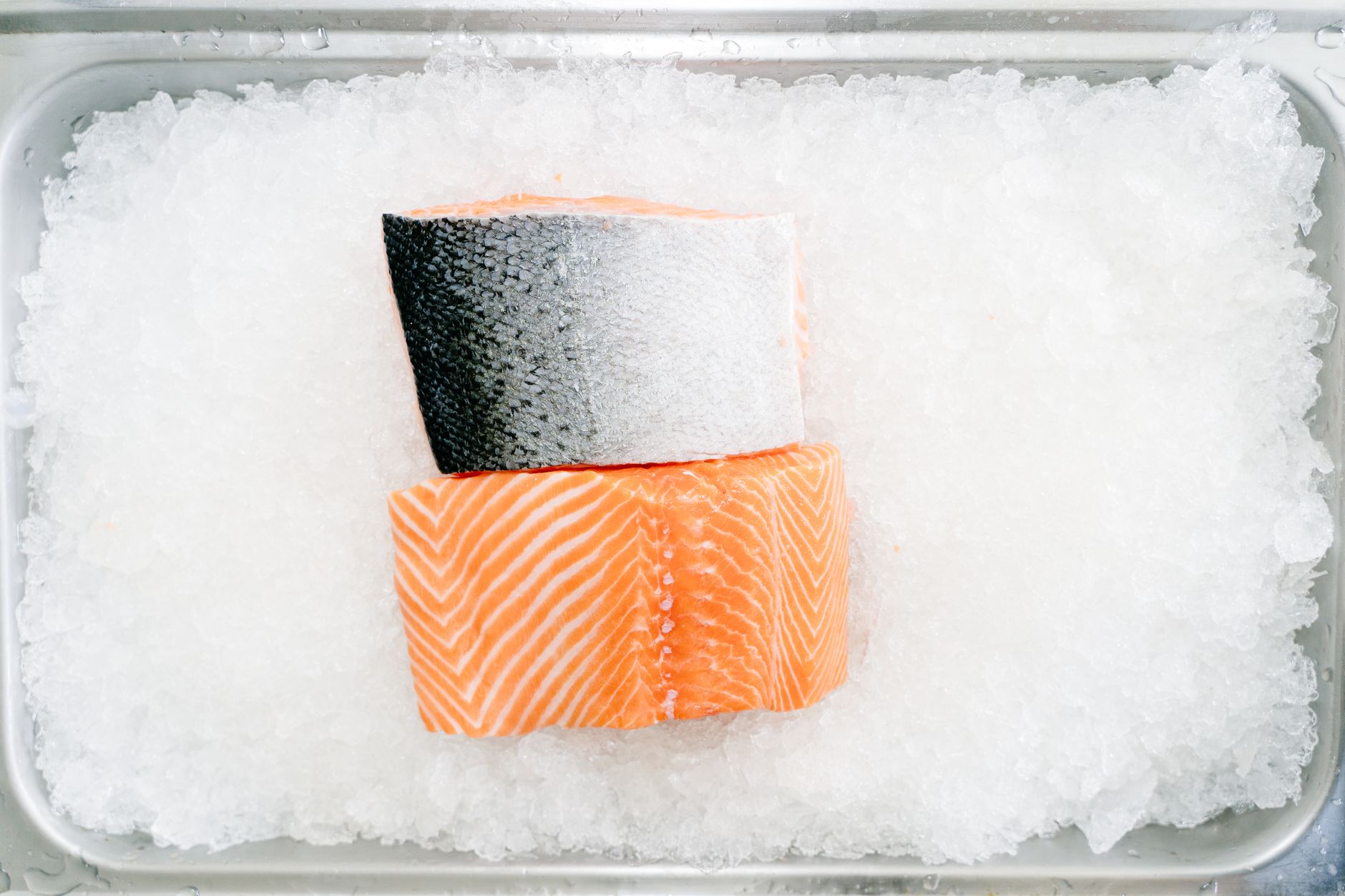
Fresh salmon is a delicious and nutritious choice for many meals, but knowing how to properly store it is key to maximizing its freshness and flavor. Understanding how long fresh salmon can stay in the fridge helps ensure food safety and preserves quality, allowing you to enjoy it at its best.
This article will delve into the storage lifespan of fresh salmon, offer tips for maintaining its quality, and provide practical advice on storage methods. Whether you’re prepping for a weeknight dinner or planning a special meal, these guidelines will help you keep your salmon fresh and tasty.
How Long Can Fresh Salmon Stay in the Fridge?
Fresh salmon can generally stay in the fridge for 1 to 2 days. To ensure the best quality and safety, it should be cooked or frozen by the end of this time frame. Always store salmon in the coldest part of the refrigerator on a plate or in an airtight container to extend its freshness.
Understanding Fresh Salmon: Types and Quality
Before you store fresh salmon, it’s helpful to know the different varieties and what to look for when purchasing them. Fresh salmon is available in various types, including:
- Atlantic Salmon: Farmed and widely available; known for its rich flavor.
- Pink Salmon: Milder taste, smaller size; typically offers leaner meat.
- Sockeye Salmon: Known for its vibrant red color and bold flavor; often preferred for grilling.
- Chinook Salmon: Also known as King salmon; rich in fat and flavor, often more expensive.
- Coho Salmon: A balance of flavor and fat, suitable for various cooking methods.
When buying salmon, look for bright, moist flesh that is translucent and glistening. The fish should have a fresh ocean smell, not a strong fishy odor, indicating freshness and quality.
How to Store Fresh Salmon in the Fridge
Proper storage significantly impacts the freshness and safety of fresh salmon. Here are some useful techniques for storing it effectively:
- Wrap It Properly: Use plastic wrap or aluminum foil to tightly wrap the salmon fillet. Alternatively, place it in an airtight container. This minimizes exposure to air and helps prevent spoilage.
- Keep it Cold: Store the salmon in the main body of the fridge, preferably on the bottom shelf where the temperature is coldest, rather than in the door. The ideal fridge temperature should be at or below 40°F (4°C).
- Use Ice: For additional freshness, place the wrapped salmon on a plate of ice in the fridge. Replace the ice as it melts to keep the salmon chilled.
How to Tell if Salmon is Bad
Knowing the signs of spoilage can help you avoid consuming spoiled salmon, which can lead to foodborne illnesses. Here are some key indicators:
- Odor: Fresh salmon should smell mild and slightly briny. A strong or sour odor indicates spoilage.
- Appearance: Look for bright, vibrant color. If the flesh appears dull or has gray spots, it may be spoiling.
- Texture: Fresh salmon should feel moist but firm. If it feels slimy or mushy, it is best to discard it.
- Expiration Date: Always check the sell-by or use-by date If you bought the salmon at the store; never consume it past this date.
Can You Freeze Fresh Salmon?
If you cannot consume the salmon within the 1 to 2-day window, freezing is an excellent option to extend its shelf life. Here’s how to freeze fresh salmon properly:
- Wrap Tightly: Wrap the salmon tightly in plastic wrap or aluminum foil. Follow this with a layer of freezer paper or place it in a freezer-safe bag to prevent freezer burn.
- Label and Date: Clearly label the package with the date so you can easily keep track of how long it’s been frozen.
- Freeze Quickly: Lay the salmon flat in the freezer to expedite the freezing process. Better yet, use a vacuum sealer for optimal preservation.
When stored correctly, frozen salmon can maintain its best quality for 2 to 3 months, though it remains safe to eat indefinitely if kept at 0°F (-18°C).
Thawing Frozen Salmon Safely
When you’re ready to cook frozen salmon, it’s essential to thaw it properly to maintain its texture and safety:
- Refrigerator Thawing: The safest method is to transfer the salmon to the refrigerator 24 hours before cooking. This allows for gradual thawing at a safe temperature.
- Cold Water Thawing: If you need to thaw it more quickly, place the sealed salmon in a bowl of cold water, changing the water every 30 minutes until thawed.
- Microwave Thawing: As a last resort, you can use the microwave on the defrost setting, but be cautious as this can lead to partially cooking the fish. Cook immediately after thawing.
Cooking Fresh Salmon
Once you have fresh or thawed salmon, there are numerous ways to prepare it. Here are a few popular cooking methods:
- Baking: Bake salmon in a preheated oven at 375°F (190°C) for about 12-15 minutes or until it flakes easily with a fork.
- Grilling: Preheat the grill and cook salmon for about 5-7 minutes on each side, depending on thickness.
- Sautéing: Heat olive oil in a pan over medium heat and cook salmon for about 4-5 minutes on each side.
- Poaching: Gently simmer salmon in water or broth for 10-15 minutes until fully cooked.
How to Pair and Serve Fresh Salmon
Fresh salmon is versatile and pairs well with many different flavors. Consider these complementary sides and sauces to enhance your dish:
- Sauces: Tartar sauce, lemon butter, teriyaki glaze, or a dill sauce.
- Sides: Roasted vegetables, quinoa, rice pilaf, or fresh green salads.
- Garnishes: Fresh herbs like parsley, dill, or green onions can brighten the dish.
Salmon can be served for various occasions, from casual weeknight dinners to more elegant gatherings, making it a fantastic choice for versatile meal planning.
Practical Tips for Buying and Preparing Salmon
Here are some additional tips to keep in mind when buying and preparing fresh salmon:
- Buy from Trusted Sources: Choose reputable fish markets or grocery stores with a good turnover of fresh seafood to ensure quality.
- Ask Questions: Don’t hesitate to inquire about where the salmon originated, how long it’s been in store, or whether it was previously frozen. This information can guide your selection.
- Use Immediately After Purchase: If possible, cook the salmon as soon as you get home from your shopping trip for maximum freshness.
Common Mistakes When Storing Salmon
Knowing what not to do can be just as important as knowing the best practices. Here are common mistakes people make when storing fresh salmon:
- Ignoring the Temperature: Keeping salmon in the door of the fridge, where temperatures fluctuate, can accelerate spoilage.
- Leaving it Wrapped Too Loosely: Wrapping salmon loosely allows air to reach the fish, which can lead to oxidation and loss of quality.
- Freezing Too Late: Waiting too long to freeze salmon can ruin its texture and flavor, as it begins to spoil.
Signs of Spoilage to Watch For
In addition to the earlier section on how to tell if salmon is bad, here are additional spoilage signs specific to storage conditions:
- Change in Color: Loss of vibrancy or darkening of color can be a sign that the salmon is beginning to spoil.
- Excessive Liquid: If there’s a pool of liquid in the packaging, it may indicate the fish is breaking down.
- Unpleasant Taste: If you taste the salmon and find it has an off flavor, discard it promptly.
Final Thoughts on Fresh Salmon Storage
Maintaining the fridge life of fresh salmon is essential for enjoying this delectable fish at its finest. By understanding how to store salmon properly, recognizing signs of freshness, and knowing when to freeze or cook it, you can confidently add this nutritious protein to your meals.
Whether you’re a novice cook or an experienced chef, fresh salmon can be a delicious addition to your culinary repertoire, full of flavor and diversity. Always take care in handling and storing it, and relish every bite!
For more related information on food storage and other cooking tips, be sure to check out how long ground beef is good for in the fridge and how to tell if salmon is bad for your peace of mind when cooking.