
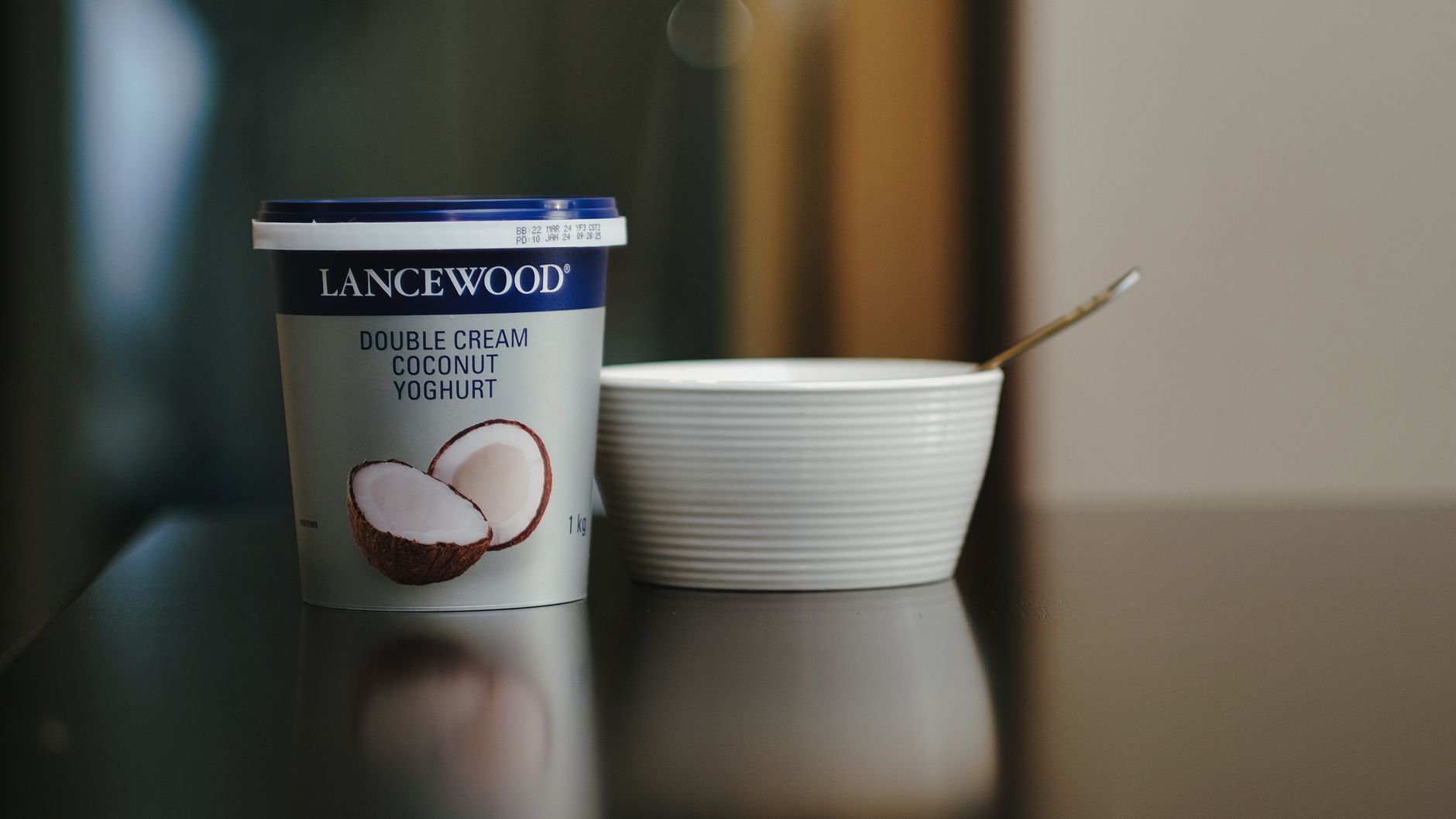
Lactose is a natural sugar found primarily in milk and dairy products. For many people, understanding which foods contain lactose is essential for managing lactose intolerance or simply making informed dietary choices. In this article, we’ll explore a range of foods that contain lactose, label-reading tips, and practical guidance for those looking to minimize their lactose intake.
In addition to listing common lactose-containing foods, we’ll provide insights into ingredient alternatives, tips for navigating grocery store labels, and strategies for incorporating lactose-free options into your diet. Let’s get started!
What Foods Have Lactose?
The primary sources of lactose are milk and dairy products. However, lactose can also be found in various processed foods. Here’s a detailed look at foods that commonly contain lactose:
Dairy Products
- Milk: Whole, skim, low-fat, and powdered milk all contain lactose.
- Cheese: Many cheeses contain lactose, although hard cheeses like Parmesan and Cheddar are lower in lactose compared to soft cheeses such as Brie and Camembert.
- Yogurt: Yogurt contains live cultures that can help digest lactose, but it still has some lactose present.
- Cream: Heavy cream, sour cream, and whipped cream contain significant amounts of lactose.
- Ice Cream: Regular ice cream is typically high in lactose; however, lactose-free versions are available.
- Cottage Cheese: This soft cheese has a moderate amount of lactose.
Processed Foods and Ingredients
Lactose is often added to processed foods, so it’s essential to check labels for the following items:
- Baked Goods: Many baked goods, including bread, cookies, and pastries, may contain milk or milk powder, which adds lactose.
- Chocolate: Milk chocolate and many commercial chocolates often contain dairy ingredients.
- Processed Meats: Some deli meats and sausages can contain lactose due to added milk protein.
- Salad Dressings: Some creamy dressings may use buttermilk or other dairy ingredients.
- Vitamins and Supplements: Lactose can be present in some vitamin formulations or protein powders.
Food Label Reading Tips
When shopping, knowing how to read food labels can help identify lactose-containing products. Here are some tips to consider:
- Look for key terms: Ingredients like milk, lactose, whey, curds, and casein indicate the presence of lactose.
- Check for alternative names: Lactose may also be listed under ingredient names like milk solids or milk powder.
- Look for lactose-free labels: Many brands now offer lactose-free milk and dairy products. Look for labeling that explicitly states “lactose-free.”
- Read allergen statements: These can often provide additional context, especially in processed foods.
Alternative Options for Those Avoiding Lactose
For those who need to limit or avoid lactose, there are numerous alternatives available:
- Lactose-Free Dairy: Lactose-free milk, cheese, and yogurt maintain similar flavors and textures without the lactose.
- Plant-Based Milks: Almond milk, soy milk, oat milk, and coconut milk are excellent dairy substitutes for direct consumption and cooking.
- Non-Dairy Yogurt: Look for yogurts made from almond, coconut, soy, or oat that are free from lactose.
- Vegan Cheese: Many plant-based cheeses use nuts, soy, or coconut instead of dairy.
- Homemade Alternatives: Using pureed vegetables or nuts can create creamy textures for soups or sauces without dairy.
How to Cook Without Lactose
If you regularly cook with dairy and are looking to transition to lactose-free or dairy-free options, here are some general cooking tips:
- Understand Consistency: Dairy provides creaminess; when using non-dairy milk, you might need to add thickening agents like cornstarch or arrowroot powder.
- Flavoring Agents: Dairy often contributes flavor. Add spices, herbs, and other seasonings to enhance taste when substituting.
- Experiment with Ratios: Substituting different milks may require adjusting quantities, especially with thicker alternatives.
Common Cooking Substitutions
Here are practical substitutions for common dairy ingredients:
| Dairy Ingredient | Substitution |
|---|---|
| Milk | Almond milk (1:1 ratio) or soy milk |
| Heavy Cream | Coconut cream or cashew cream (3:1 ratio) |
| Butter | Coconut oil or vegan butter (1:1 ratio) |
| Sour Cream | Non-dairy yogurt (1:1 ratio) |
| Yogurt | Coconut yogurt or soy yogurt (1:1 ratio) |
Nutrition Considerations
While avoiding lactose, it’s essential to ensure that you are still getting enough essential nutrients typically found in dairy:
- Calcium: Seek out calcium-rich alternatives such as fortified plant-based milks, leafy greens, and almonds.
- Vitamin D: Look for fortified products and consider supplements to meet your vitamin D needs, especially in regions with limited sunlight.
- Protein: Incorporate plant-based protein sources, including legumes, seeds, and nuts, to maintain protein intake.
Common Mistakes to Avoid
Transitioning to a lactose-free diet may come with challenges. Here are some common pitfalls and how to avoid them:
- Ignoring Hidden Lactose: Always check labels, as lactose can be present in unexpected products.
- Not Experimenting with Alternatives: It may take time to find alternatives you enjoy, so keep an open mind and try various options.
- Not Communicating Dietary Needs: When dining out or visiting friends, be vocal about your dietary restrictions to ensure suitable meals are prepared.
Practical Meal Planning Tips
If you’re looking to plan your meals while avoiding lactose, here are effective strategies:
- Batch Cooking: Prepare large quantities of lactose-free meals ahead of time to save time during busy weeks.
- Ingredient Overlap: Use ingredients that can serve multiple dishes, like quinoa or roasted vegetables, to streamline grocery shopping.
- Plan for Snacks: Have lactose-free snacks available, such as fruit, nuts, or non-dairy yogurt, for quick grabs throughout the day.
Sample Meal Plan
| Meal | Ideas |
|---|---|
| Breakfast | Oatmeal made with almond milk topped with fruits and nuts. |
| Lunch | Quinoa salad with roasted veggies and avocado dressing. |
| Dinner | Stir-fried tofu with a medley of vegetables and brown rice. |
| Snack | Rice cakes topped with almond butter. |
Final Thoughts and Moving Forward
Understanding which foods contain lactose and how to navigate dietary choices can greatly enhance your lifestyle. Whether for health reasons or personal preference, the options for lactose-free living are diverse and flavorful.
Next time you’re in the grocery store, keep these tips in mind, and don’t hesitate to explore alternative ingredients and foods. You have the tools to create satisfying lactose-free meals without missing out on flavor or nutrition.
For delicious recipes that use cottage cheese, check out our cottage cheese dip recipe or try something sweet with our cottage cheese brownie recipe.