
Vitamin B1, also known as thiamine, is a vital nutrient that plays a crucial role in energy metabolism and the proper functioning of the nervous system. Securing adequate amounts of this vitamin can enhance energy production and support overall health. But what foods provide this essential vitamin? In this article, we will explore various food sources rich in B1, practical uses, and delicious serving ideas to incorporate these foods into your meals.
Thiamine is primarily found in whole grains, legumes, seeds, and certain meats. Understanding which foods are high in vitamin B1 not only helps refine your diet but also allows you to maximize health benefits from the meals you prepare. Let’s dive into foods that have B1 and how you can easily include them in your day-to-day eating habits.
What Foods Have B1?
Thiamine can be found in a variety of foods. The following categories detail some of the best sources:
Whole Grains
Whole grains are notable sources of thiamine due to their nutrient-dense germ and bran. Some whole grains that you can enjoy include:
- Brown rice: A staple in many diets, brown rice contains more thiamine than white rice.
- Oats: Whether rolled, steel-cut, or in oat flour, oats pack a punch of B1.
- Quinoa: This high-protein grain contains a good amount of thiamine along with essential amino acids.
- Barley: Pearled barley particularly serves as a wholesome B1 source.
Legumes
Legumes are not only protein-rich but are also excellent sources of thiamine. Consider including the following in your meals:
- Green peas: Fresh or frozen, these peas offer thiamine and add flavor to various dishes.
- Black beans: A nutrient-dense addition to salads, tacos, or side dishes.
- Lentils: Versatile and quick to cook, lentils can be used in soups, salads, or as a protein base.
- Chickpeas: Use them in hummus or roasted for a crunchy snack.
Nuts and Seeds
Nuts and seeds are great sources of thiamine, providing healthy fats along with other essential nutrients. Some notable options include:
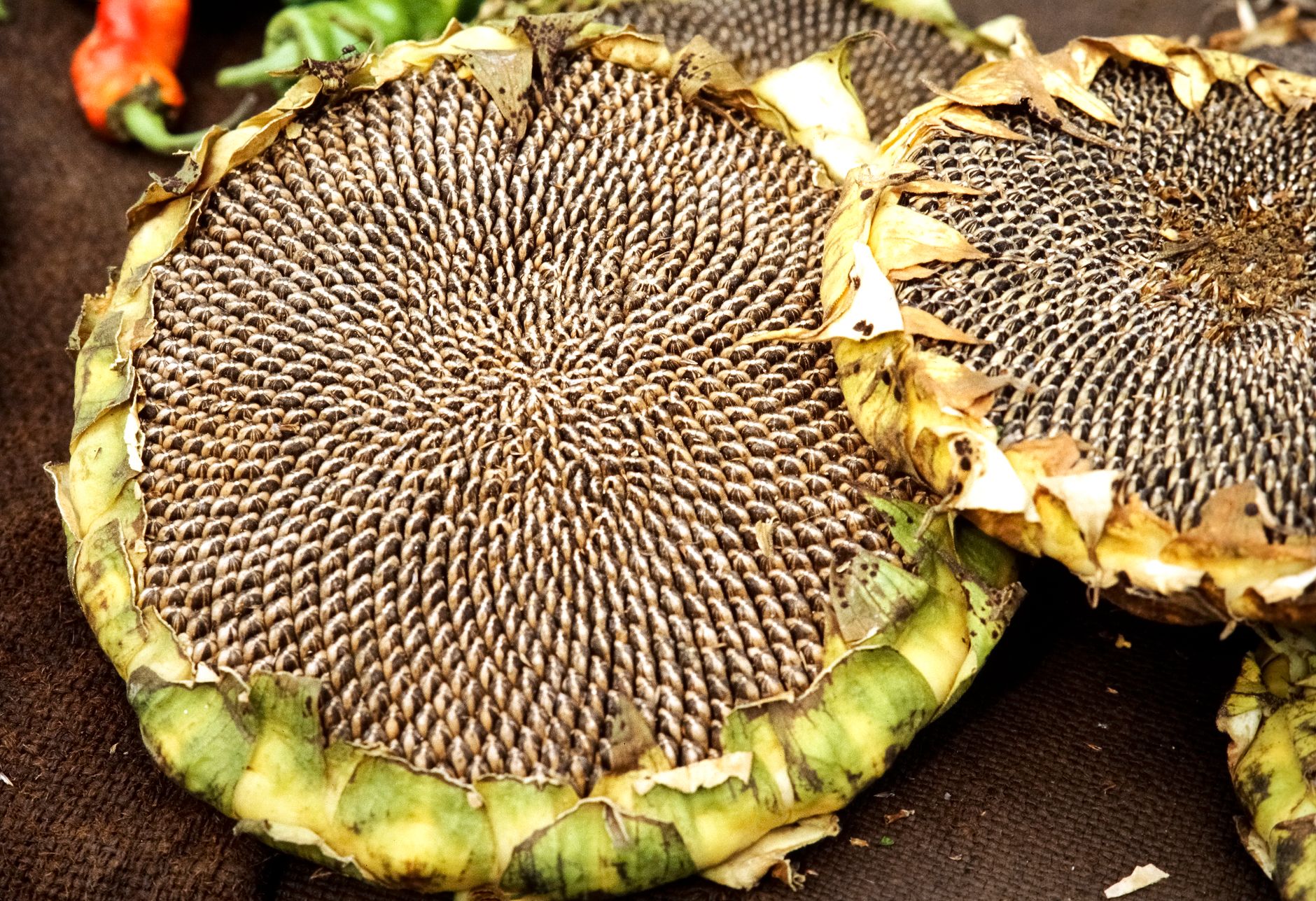
- Sunflower seeds: Snack on them raw or toasted for a delightful crunch.
- Pistachios: These nuts are not just tasty; they also contribute to thiamine intake.
- Flaxseeds: Incorporate ground flaxseeds into smoothies or baked goods for added nutrition.
- Sesame seeds: Sprinkle them on salads or stir-fries for added texture and flavor.
Meats and Fish
Animal products can also be significant sources of thiamine. Consider these options when planning meals:
- Pork: Lean cuts of pork, particularly pork loin, are particularly high in thiamine.
- Fish: Certain fish like trout and tuna provide an ample amount of this vitamin.
- Organ meats: Liver, particularly from lamb or beef, is loaded with thiamine.
- Chicken: While lower than pork, chicken still contributes to your B1 intake, particularly in the dark meat.
Dairy Products
While dairy is not the highest in thiamine, some products can add to your intake:
- Milk: A glass of cow’s milk contains small amounts of thiamine.
- Yogurt: In addition to probiotics, yogurt provides some level of thiamine.
Vegetables
Several vegetables offer vitamin B1 within their nutrients. Here are some to include in your meals:
- Asparagus: This seasonal vegetable also serves as a source of B1.
- Spinach: Leafy greens like spinach not only provide vitamins but also contribute to thiamine intake.
- Brussels sprouts: Not only are these trendy, but they also pack some thiamine.
How to Incorporate B1-Rich Foods into Your Diet
Now that we’ve pinpointed rich sources of vitamin B1, let’s explore how to easily incorporate them into your meals and snacks.
Breakfast Ideas
Start your day off on the right foot with these thiamine-rich breakfast options:
- Oatmeal: Prepare a bowl of oatmeal topped with sunflower seeds and your choice of fruits.
- Smoothie: Blend oats, a banana, a tablespoon of ground flaxseeds, and a splash of milk for a nutritious start.
- Whole-grain pancakes: Use whole wheat flour to make pancakes and serve with fresh berries.
Lunch Options
Add thiamine sources into your lunch menu with these easy ideas:
- Quinoa salad: Mix quinoa with black beans, diced peppers, and a light dressing for a filling dish.
- Chickpea sandwich: Mash chickpeas with yogurt, spices, and green onions to create a delicious spread.
- Wraps: Fill whole-grain wraps with turkey, spinach, and sliced avocado for a complete meal.
Dinner Recipes
Enhance dinner with these simple recipes packed with thiamine:
- Lentil soup: Cook lentils with tomatoes, carrots, and spices for a hearty soup.
- Pork stir-fry: Sauté pork strips with asparagus, bell peppers, and a soy sauce glaze.
- Quinoa pilaf: Prepare quinoa with mixed vegetables and toasted nuts for a flavorful side.
Snacks and Desserts
Don’t forget to include thiamine-rich snacks and sweets:
- Energy bites: Combine oats, nut butter, honey, and seeds to create bite-sized snacks.
- Yogurt parfait: Layer yogurt with granola made from oats and your favorite fruits.
- Roasted chickpeas: Season and roast chickpeas for a crunchy, nutrient-dense snack.
Common Myths About Thiamine and Dietary Sources
Despite thiamine’s importance, there are several myths worth addressing:
Myth 1: Only Animal Products Contain Thiamine
While animal products such as pork and fish are rich in thiamine, many plant-based foods provide significant amounts as well. If you’re following a vegetarian or vegan diet, focus on legumes, whole grains, and seeds for adequate intake.
Myth 2: Cooking Destroys All Thiamine
Though some thiamine can be lost through cooking, particularly in boiling water, many cooking methods, including steaming and roasting, retain more of the nutrient. Incorporating raw or lightly cooked thiamine sources can help maximize your intake.
Myth 3: B1 is Only Important for Athletes
While athletes may have increased needs, thiamine is essential for everyone, as it helps the body utilize carbohydrates effectively. Adequate intake supports overall energy levels and metabolic function, which is vital for daily activities.
Storage and Preservation Tips
To maximize thiamine retention in foods, consider these storage tips:
- Store whole grains: Keep whole grains in airtight containers in a cool, dry place to prevent spoilage and nutrient loss.
- Freeze legumes: If you buy canned or cooked legumes, consider freezing them for extended freshness.
- Keep nuts and seeds sealed: Store sealed nuts and seeds in a cool place to prevent rancidity and preserve nutrients.
Conclusion
Incorporating thiamine-rich foods into your meals can be both easy and delicious. By embracing a variety of sources such as whole grains, legumes, nuts, and certain meats, you can meet your nutritional needs while enjoying a range of flavors and textures. By prioritizing foods high in vitamin B1, you contribute positively to your overall energy and metabolic health.
Explore more ways to enhance your wellness, including the benefits of chia seeds or try our delicious chia pudding recipe with coconut milk to add variety to your diet.
For more recipes and tips, feel free to explore our related content on the benefits of chia seeds or our easy chia pudding recipe. Happy cooking!