
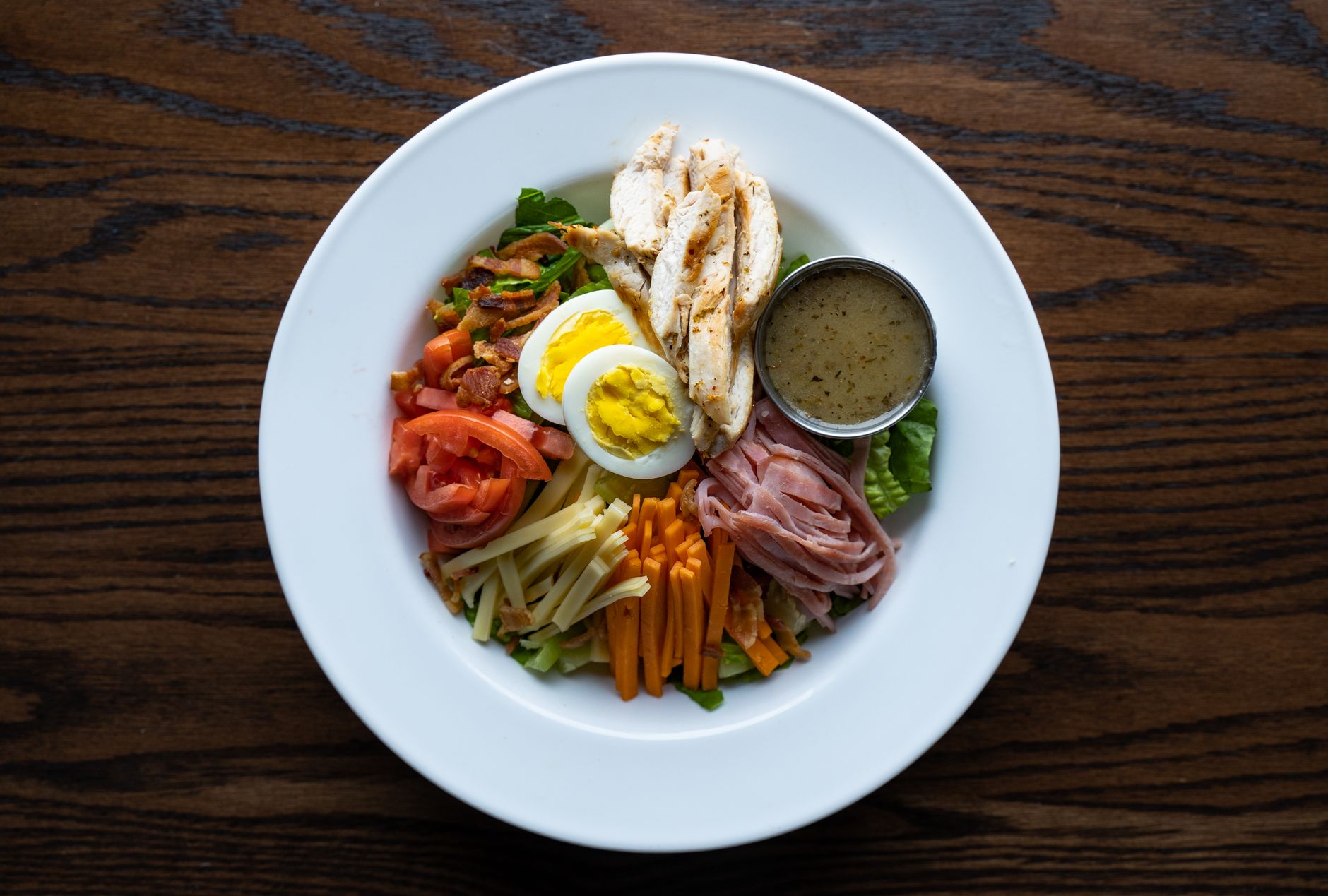
Turkey breast is often praised as a healthy dietary option, especially for those looking to maintain a balanced diet. It’s recognized for its lean protein content and various nutrients, making it a staple in many households.
This article assesses the health aspects of turkey breast, including its nutritional profile, health benefits, cooking tips, and considerations for incorporating it into your diet.
Is Turkey Breast Healthy?
Yes, turkey breast is generally considered a healthy option due to its low fat content and high protein levels. It is rich in vitamins and minerals, contributing to its status as a nutritious choice for many diets.
Nutritional Profile of Turkey Breast
Turkey breast is primarily made up of protein, which is essential for many bodily functions, including building and repairing tissues. Here’s a breakdown of what you can typically find in a 3-ounce (85 grams) serving of cooked, skinless turkey breast:
| Nutrient | Amount |
|---|---|
| Calories | 135 |
| Protein | 30 grams |
| Fat | 1 gram |
| Carbohydrates | 0 grams |
| Sodium | 60 mg |
| Iron | 1.4 mg |
| Vitamin B6 | 0.5 mg |
| Niacin | 6.6 mg |
As the table illustrates, turkey breast is low in calories and fat, while being exceptionally high in protein. This makes it an attractive option for those looking to lose weight or build muscle. Additionally, turkey contains essential B vitamins, which contribute to energy production and brain health.
Health Benefits of Turkey Breast
Incorporating turkey breast into your diet offers several health benefits:
- High Protein Content: Turkey breast provides a significant amount of protein per serving, making it a great option for muscle building and repair.
- Low in Calories: With only about 135 calories per serving, turkey breast can be included in calorie-controlled diets, helping with weight management.
- Rich in Vitamins and Minerals: It contains crucial nutrients like Vitamin B6, niacin, and selenium that support metabolic function and immune health.
- Heart-Healthy: The low-fat content of turkey breast, especially skinless, can help lower cholesterol levels and reduce the risk of heart disease.
- Versatile Ingredient: Turkey breast can be used in various dishes, making it easy to incorporate into different cuisines.
Cooking Techniques for Turkey Breast
While turkey breast is nutritious, the method of preparation can significantly impact its healthfulness. Here are several cooking techniques that help retain the nutrients while enhancing flavor:
Roasting
Roasting is one of the most popular methods for cooking turkey breast. It involves cooking the turkey at high temperatures, which can lock in moisture and flavor. Here’s how you can do it:
- Preheat your oven to 325°F (165°C).
- Season the turkey breast with salt, pepper, and any herbs you prefer.
- Place the turkey breast on a roasting rack in a roasting pan to allow heat circulation.
- Roast for approximately 20 minutes per pound, or until a meat thermometer reads 165°F (75°C).
- Let it rest for about 10-15 minutes before slicing.
Grilling
Grilling turkey breast can add a smoky flavor that’s hard to resist. Here’s a simple guide:
- Preheat your grill to medium-high.
- Marinate the turkey breast for at least 30 minutes to keep it moist.
- Place it on the grill and cook for about 6-7 minutes on each side, or until the internal temperature reaches 165°F (75°C).
Slow Cooking
If you want tender turkey breast, slow cooking is a fantastic option. This method allows the meat to soak up flavors. Here’s how:
- Place the turkey breast in the slow cooker with your choice of broth and seasonings.
- Cook on low for 6-8 hours or on high for 4-5 hours.
- Ensure it reaches an internal temperature of 165°F (75°C).
Practical Tips for Cooking Turkey Breast
To maximize the health benefits and flavor of turkey breast, consider these practical tips:
- Skip the Skin: Removing the skin significantly reduces fat intake and calories.
- Use Herbs and Spices: Instead of heavy sauces, season turkey with fresh herbs and spices to enhance flavor without added calories.
- Monitor Cooking Time: Overcooking turkey breast can lead to dryness. Use a meat thermometer to ensure it’s cooked perfectly.
- Pair with Veggies: Serve turkey with a side of vegetables for a balanced meal, enhancing fiber and nutrient intake.
Common Mistakes to Avoid
Cooking turkey breast can be straightforward, but there are common pitfalls that can affect flavor and texture:
- Overseasoning: Too much seasoning can mask the natural flavors of turkey. Keep it simple, especially if using high-quality meat.
- Not Resting: Cutting the turkey immediately after cooking can result in juices escaping. Always let it rest before slicing.
- Ignoring Internal Temperature: Not checking the internal temperature can lead to undercooking or overcooking, so invest in a reliable meat thermometer.
Storage and Reheating Tips
Proper storage and reheating of turkey breast are essential for food safety and maintaining quality:
Leftover turkey should be stored in airtight containers in the refrigerator and consumed within 3-4 days. If you freeze it, make sure it’s tightly wrapped. Frozen turkey breast can last for up to 6 months.
Reheating Guidelines
When reheating turkey breast:
- Use an oven preheated to 325°F (165°C) and cover with foil to keep it moist.
- Reheat until it reaches 165°F (75°C) for safe consumption.
Dietary Considerations and Turkey Breast
Turkey breast can be an excellent option for many dietary preferences, including:
- Keto Diet: With its low carbohydrate content, turkey breast fits well into a ketogenic diet.
- Paleo Diet: Turkey breast is considered a whole food, making it ideal for those following a paleo diet.
- Gluten-Free: Naturally gluten-free, turkey breast can be safely eaten by those with gluten sensitivities.
- Low-Sodium Options: Choosing fresh turkey breast over processed varieties allows control over sodium intake.
Possible Health Risks and Considerations
Although turkey breast has many health benefits, there are some considerations to keep in mind:
- Allergies: While rare, some individuals may be allergic to poultry or specific ingredients used in turkey products.
- Processed Varieties: Pre-packaged turkey products can contain additives, preservatives, and high sodium levels.
- Cross-Contamination: Raw turkey can harbor harmful bacteria. It’s essential to follow proper food safety guidelines when handling and cooking.
Final Thoughts
Turkey breast is a nutritious and versatile protein source that can be easily integrated into various meals. Its health benefits, low fat, and high protein content make it a wise choice for anyone looking to eat healthily.
By using appropriate cooking methods and taking precautions in storage and preparation, you can enjoy turkey breast with confidence and peace of mind. Whether you choose to roast it, grill it, or slow cook it, turkey breast can serve as an excellent base for delicious, healthful meals.
For more delicious turkey recipes, check out this turkey sandwich recipe and experiment with flavors using this turkey seasoning recipe. Enjoy cooking!