
Understanding the relationship between diet and cholesterol levels is essential for promoting heart health. Cholesterol, a waxy substance found in the blood, can contribute to heart disease when levels are too high. Fortunately, certain foods can help lower cholesterol levels when incorporated into a balanced diet. This article will explore the foods that can support heart health and outline practical dietary considerations.
From fruits and vegetables to nuts and whole grains, many options can help lower cholesterol. Not only do these foods aid in reducing low-density lipoprotein (LDL) cholesterol, often referred to as “bad” cholesterol, but they can also boost high-density lipoprotein (HDL) cholesterol, the “good” kind. Let’s dive into the specifics of what foods can help lower cholesterol.
What Foods Can Lower Cholesterol?
Several food groups are particularly effective at lowering cholesterol levels. These include soluble fibers, healthy fats, antioxidants, and plant sterols. Incorporating these types of foods into your meals and snacks can create a heart-healthy way of eating.
Soluble Fiber-Rich Foods
Soluble fiber helps lower cholesterol by binding to bile acids in the intestines, which are then excreted from the body. As the body replaces the lost bile acids, it pulls cholesterol from the blood to create new bile acids, thereby lowering blood cholesterol levels. Here are some excellent sources of soluble fiber:
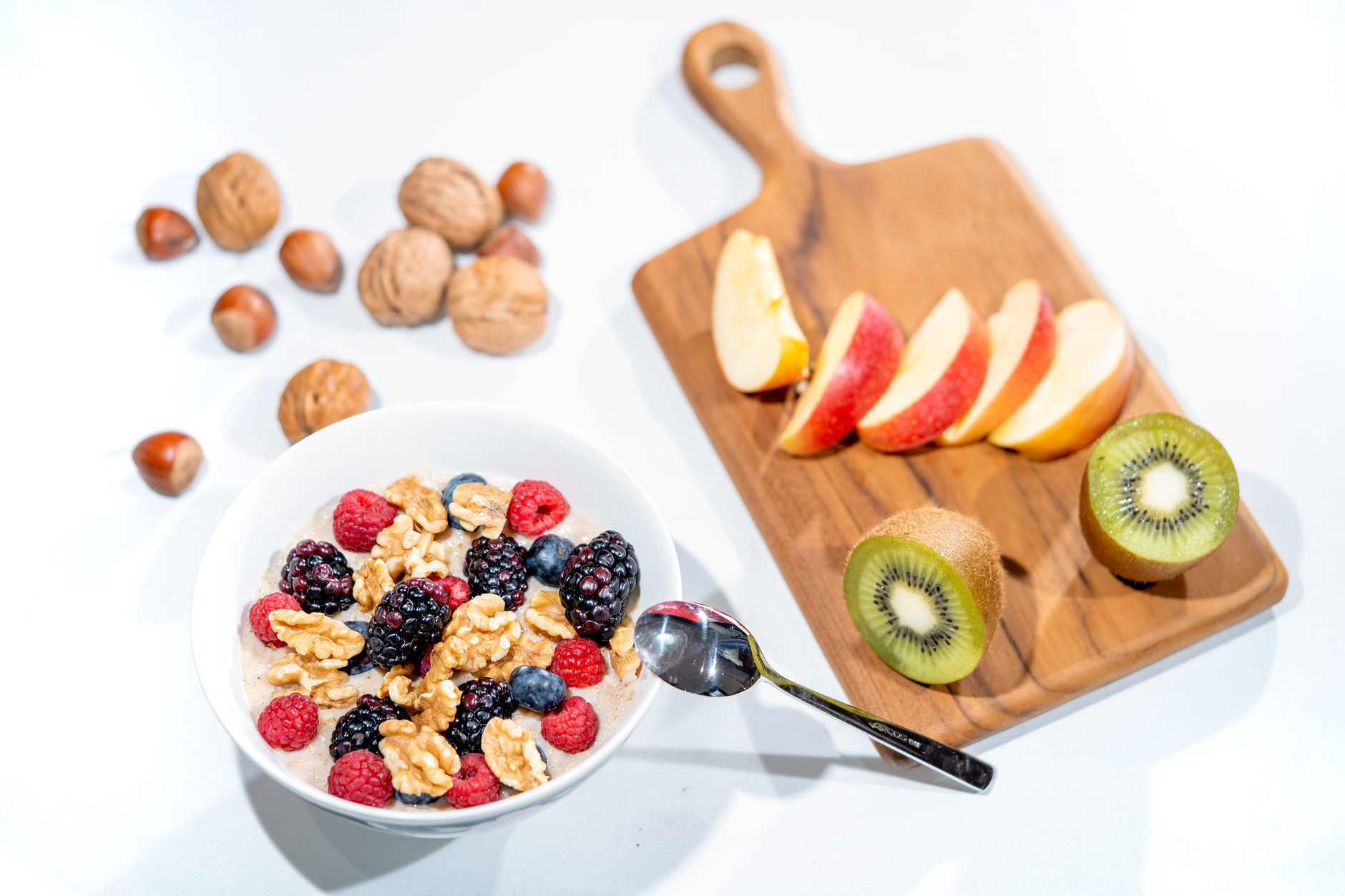
- Oats: A great breakfast option; try oatmeal topped with fruits.
- Barley: Consider adding barley to soups and stews.
- Beans and Legumes: Incorporate lentils or chickpeas into salads and main dishes.
- Fruits: Apples, pears, citrus fruits, and berries are all rich in fiber. Eating them raw or in smoothies can be refreshing.
- Vegetables: Carrots, Brussels sprouts, and sweet potatoes offer substantial fiber content.
Healthy Fats
Replacing saturated and trans fats with healthier unsaturated fats can significantly lower cholesterol levels. Here are some sources of healthy fats:
- Avocados: Rich in monounsaturated fats and can easily be added to salads or spread on whole-grain toast.
- Nuts: Almonds, walnuts, and pistachios are nutrient-dense options that make a perfect snack. Keep portions moderate due to their high-calorie content.
- Seeds: Flaxseeds and chia seeds are excellent for fiber and healthy fats. Try adding them to smoothies, yogurt, or oatmeal.
- Olive Oil: Use extra virgin olive oil in salad dressings and cooking to replace butter and margarine.
Antioxidant-Rich Foods
Foods high in antioxidants can improve overall health, including heart health. Antioxidants prevent oxidative stress, which is linked to high cholesterol levels. Incorporate these foods into your diet:
- Berries: Blueberries, strawberries, and blackberries are perfect for snacks or desserts.
- Dark Chocolate: Select cocoa with at least 70% cacao. Consume it in moderation as a treat.
- Green Tea: Another beverage high in antioxidants that may help lower cholesterol.
- Turmeric: Known for its anti-inflammatory properties, it can be added to curries or smoothies.
Foods Containing Plant Sterols and Stanols
Plant sterols and stanols are substances found in plants that can block the absorption of cholesterol in the intestines. Many companies fortify foods with them. Consider adding these to your diet:
- Fortified Margarines: Some margarines are enriched with plant sterols and can be used instead of butter.
- Fortified Juices: Certain orange juices have added plant sterols for heart health.
- Snack Bars: Look for snack bars that contain a blend of plant sterols.
Whole Grains
Whole grains contain more nutrients and fiber than refined grains, making them a healthier choice for cholesterol management. Here are some options to consider:
- Brown Rice: A versatile grain that can be used as a side or in stir-fries.
- Quinoa: A protein-rich grain that makes a great base for salads or bowls.
- Whole Wheat Bread: Choose whole grain or whole wheat varieties for sandwiches and toast.
- Whole Grain Pasta: A fantastic substitute for regular pasta, offering more fiber.
Meal Planning for Lowering Cholesterol
Successfully lowering cholesterol often requires thoughtful meal planning. Here’s how to create meals that thrive on heart-healthy foods:
Sample Meal Plan
| Meal | Suggestions |
|---|---|
| Breakfast | Oatmeal topped with berries and a sprinkle of chia seeds |
| Snack | A handful of walnuts or almonds; a piece of fruit |
| Lunch | Quinoa salad with chickpeas, diced cucumbers, tomatoes, and a lemon-olive oil dressing |
| Snack | Carrot sticks with hummus |
| Dinner | Grilled salmon with a side of steamed Brussels sprouts and brown rice |
| Dessert | Dark chocolate square or mixed berries |
Cooking Techniques to Maintain Heart-Healthy Foods
How you prepare and cook foods can impact their health benefits. Here are some heart-healthy cooking techniques to consider:
- Grilling: A great way to cook lean meats and vegetables with minimal added fat.
- Baking: Opt for baking over frying whenever possible.
- Steaming: Preserves nutrients in vegetables while keeping them tender.
- Sautéing: Use a small amount of healthy oil to sauté vegetables or proteins for added flavor without excess calories.
Practical Tips for Lowering Cholesterol
Here are additional tips to assist in your journey toward lower cholesterol:
- Read Labels: Look for food products low in saturated fat and high in fiber.
- Control Portions: Moderation is key. Even healthy foods can contribute to weight gain if eaten in large quantities.
- Stay Hydrated: Drinking plenty of water can support overall health and well-being.
- Plan Regular Meals: This prevents impulsive eating that often leads to unhealthy choices.
- Limit Processed Foods: Processed snacks, fatty meats, and sugary foods can hinder cholesterol reduction efforts.
Common Mistakes When Trying to Lower Cholesterol
While striving for a heart-healthy diet, avoid these pitfalls:
- Focusing Only on Reducing Fat: It’s important to replace unhealthy fats with healthier options, not just reduce all fat intake.
- Neglecting Whole Foods: Processed foods may be labeled low in cholesterol but can be high in sugars and unhealthy fats.
- Ignoring Fiber: Ensure you consume a variety of fiber sources daily, aiming for 25-30 grams.
- Overeating Healthy Foods: A healthy diet must also keep calorie intake in check.
Storing and Reheating Heart-Healthy Foods
Proper storage ensures that foods retain their nutrients and safety. Here are some guidelines:
- Store Whole Grains: Keep in a cool, dry place in an airtight container to prevent rancidity.
- Keep Fruits and Vegetables Fresh: Store in the refrigerator; use crisper drawers for optimal moisture levels.
- Heart-Healthy Proteins: Freeze meats and fish if not consumed within a few days to prevent spoilage.
- Reheating Foods: Use low heat to reheat grains and proteins gently to maintain texture and prevent drying.
Conclusion
A diet rich in heart-healthy foods can significantly lower cholesterol levels, promoting overall health. Incorporate a variety of soluble fibers, healthy fats, antioxidant-rich options, and whole grains into your meals. With thoughtful meal planning and cooking techniques, you can create delicious meals that support your heart health.
Explore related recipes, cooking tips, or food guides for more ideas. Consider checking out our chia pudding recipe for a nutritious breakfast or snack option, and also read about the benefits of chia seeds for your overall health.