
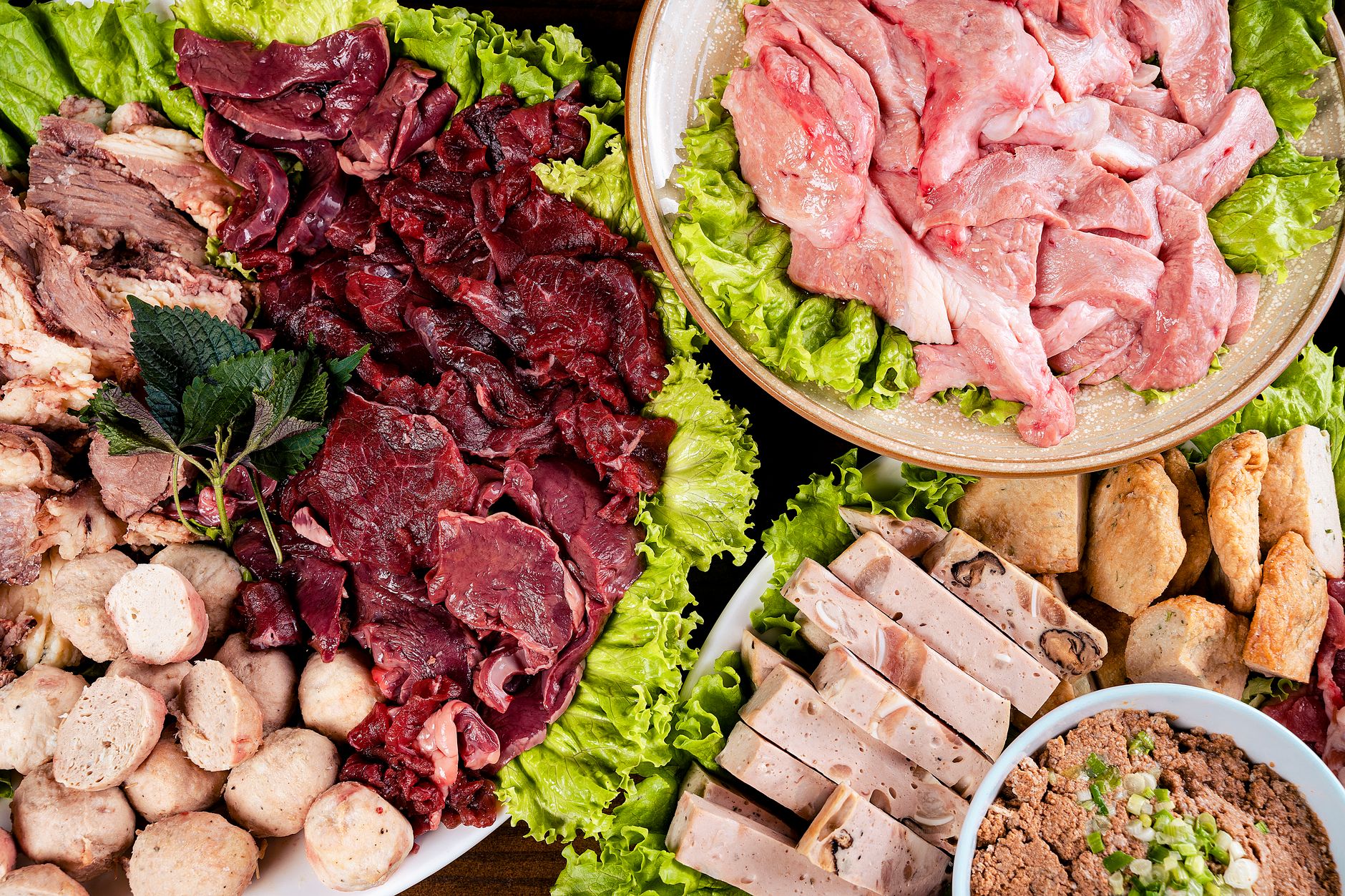
The Carnivore Diet, also known as the all-meat diet, focuses exclusively on animal products, allowing little to no carbohydrates. This diet is marked by its emphasis on high amounts of protein and fats, typically including various meats, fish, and animal-derived foods. For those looking to understand more about what the Carnivore Diet consists of, its nutrition profile, and portion guidelines, this detailed guide will provide you with essential information.
Adopting the Carnivore Diet can have implications for your cooking habits, meal planning, and grocery shopping. Understanding the main components, nutritional considerations, and serving sizes will help you navigate this dietary lifestyle effectively.
What Does the Carnivore Diet Consist of?
The Carnivore Diet primarily consists of various animal products. The key components include:
- Beef (steaks, ground beef, roasts, and organ meats)
- Pork (chops, bacon, and ribs)
- Poultry (chicken, turkey, and eggs)
- Fish and seafood (salmon, tuna, shellfish)
- Dairy products (cheese, butter, and heavy cream, if tolerated)
Nutrition Overview
The Carnivore Diet is centered around high protein and high fat, with minimal carbohydrates. Understanding the nutritional value of these foods is vital for anyone considering this diet.
Macronutrient Breakdown
- Protein: Animal products are excellent sources of protein, which supports muscle maintenance and repair. Cuts of meat like filet mignon and ground beef often provide around 20-30 grams of protein per serving.
- Fats: Saturated fat from meats is a key energy source in the Carnivore Diet. Foods like ribeye steak are notably high in fat, typically containing around 25 grams or more per serving.
- Carbohydrates: The diet is virtually carbohydrate-free, which can lead to various metabolic changes in the body, such as entering a state of ketosis.
Vitamins and Minerals
- Vitamin B12: Essential for red blood cell formation and nerve function, predominantly found in animal products.
- Iron: Heme iron, which is highly bioavailable, is abundant in red meat.
- Omega-3 fatty acids: Found in fatty fish, these are important for heart and brain health.
- Vitamin D: Contributes to bone health and immune function, often found in fish and dairy.
Portion Guidelines
Determining appropriate portion sizes is critical for balancing nutrient intake on the Carnivore Diet. Here’s a general guide to help you portion your meals:
Meat Portions
- Beef: Aim for about 6 to 8 ounces of red meat per meal. Adjust portion sizes based on your physical activity levels.
- Pork: Similar to beef, 6 to 8 ounces of pork is recommended per serving.
- Poultry: You can include 4 to 6 ounces of chicken or turkey, ensuring it is well cooked.
- Fish: A 4 to 6-ounce serving of fish or shellfish is generally ideal. Fatty fish is preferable for its omega-3 content.
Dairy Portions
If incorporating dairy, consume sparingly. A general guideline would be 1 to 2 ounces of cheese or 2 tablespoons of heavy cream per serving, based on tolerance and dietary preferences.
Eggs
Eggs are nutritious and versatile. Aim for about two to four eggs in a typical meal, depending on your appetite and nutritional needs.
Meal Planning on the Carnivore Diet
Adopting the Carnivore Diet requires careful meal planning to ensure you’re consuming a balanced array of nutrients while adhering to the all-meat framework. Here’s how to go about it:
Sample Weekly Meal Plan
| Day | Breakfast | Lunch | Dinner |
|---|---|---|---|
| Monday | Scrambled eggs with bacon | Grilled chicken thighs | Ribeye steak with bone marrow |
| Tuesday | Omelet with cheese | Fish with lemon butter sauce | Pork belly |
| Wednesday | Steak and eggs | Ground beef patties | Roasted chicken |
| Thursday | Bacon and eggs | Buffalo wings | Salmon fillets |
| Friday | Sausage and eggs | Beef jerky | Lamb chops |
| Saturday | Eggs cooked in ghee | Seafood platter | Pork ribs |
| Sunday | Cheese omelet | Meatball stew | Chicken drumsticks |
Shopping List for the Carnivore Diet
When shopping for the Carnivore Diet, focus on quality animal products. Here’s a handy shopping list:
- Ground beef
- Steaks (ribeye, sirloin, filet mignon)
- Poultry (whole chickens, thighs, wings)
- Pork (bacon, chops, roasts)
- Fatty fish (salmon, mackerel, sardines)
- Shellfish (shrimp, crab, lobster)
- Eggs
- Dairy (if included, choose cheese and heavy cream)
Cooking Techniques for the Carnivore Diet
Grilling
Grilling can impart a smoky flavor to your meats. Preheat your grill, season your meat with salt, and grill to your desired doneness. Use a food thermometer for safety, ensuring beef reaches at least 145°F for medium rare.
Roasting
Roasting meat in the oven allows for even cooking. Season your meat well, then roast at 375°F until it reaches the appropriate temperature, generally about 20 minutes per pound for larger cuts.
Searing
Searing uses high heat to create a flavorful crust. Heat a skillet with oil, add your meat, and sear for a few minutes on each side before finishing in the oven if necessary.
Slow Cooking
Using a slow cooker is perfect for tougher cuts of meat. Add your ingredients to the slow cooker, season, and let it cook on low for several hours until it’s tender.
Common Mistakes and Troubleshooting
Starting any new diet can come with its challenges. Here are some common missteps and how to avoid them:
Overlooking Nutritional Balance
While focusing primarily on meat, ensure you’re not skipping out on essential nutrients. Consider incorporating organ meats like liver, which are nutrient-dense.
Ignoring Portion Sizes
Eat mindfully and pay attention to your hunger cues. It may be tempting to overeat meaty dishes, but practicing moderation will yield better results.
Neglecting Cooking Techniques
Experiment with various cooking methods to discover what you enjoy most. Avoid limiting yourself to just one preparation style, which can make meals monotonous.
Storage and Reheating
Properly storing your meat can reduce waste and ensure freshness. Follow these guidelines:
Storage
- Raw meat should be stored in the refrigerator and used within 1-2 days or can be frozen for longer preservation.
- Cooked meat can be stored in an airtight container in the refrigerator for 3-4 days.
Reheating
Reheat meat thoroughly using a microwave, stove, or oven. Ensure it reaches at least 165°F to ensure safety. Avoid reheating multiple times, as this can degrade the quality of the meat.
Conclusion
The Carnivore Diet consists primarily of animal products, emphasizing meat and animal-derived foods while eliminating carbohydrates. Understanding nutrition, portion sizes, meal planning, and cooking techniques will help you thrive on this diet. Consider exploring a carnivore bread recipe for a unique twist and taste of the diet or learn about good substitutes for herbs you might miss.
For more cooking tips and guides, check out our carnivore bread recipe or learn what a good substitute for rosemary might be.