
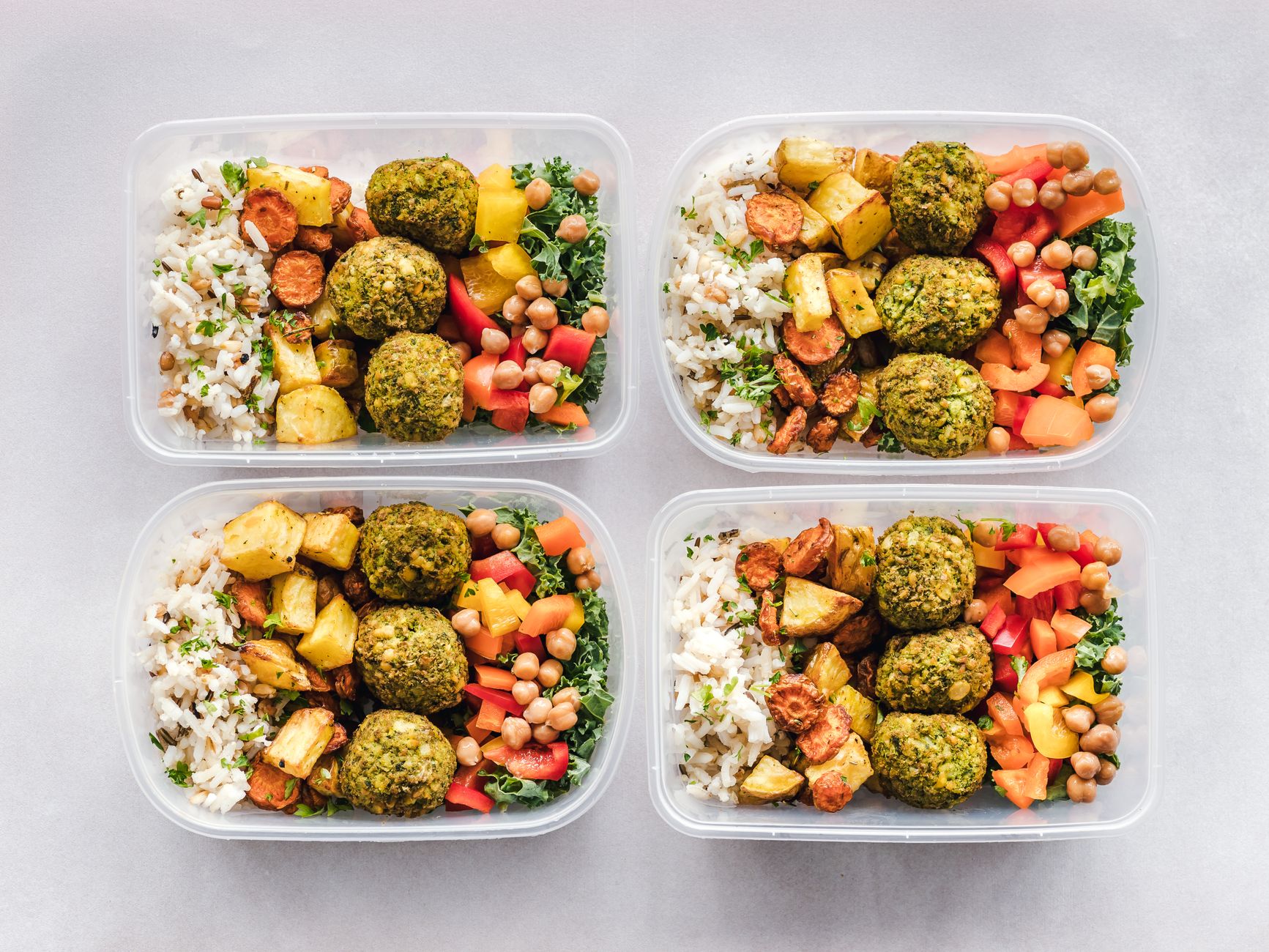
Building muscle requires more than just lifting weights; it also demands a well-rounded diet rich in specific nutrients. The foods you eat can significantly affect your muscle gains, recovery, and overall performance. Understanding which foods build muscle can empower you to make better dietary choices that support your fitness goals.
This article will delve into the best foods for building muscle, highlighting their nutritional profiles, and providing practical serving ideas to incorporate them into your meals. A balanced intake of protein, carbohydrates, and healthy fats is crucial, and we’ll explore how to achieve this through your food selections.
What Foods Build Muscle?
Foods that build muscle generally fall into several categories, primarily those rich in protein, healthy fats, and complex carbohydrates. These foods provide essential amino acids, necessary for muscle repair and growth, along with energy for your workouts.
Protein-Rich Foods
Protein is the primary building block of muscle. To optimize muscle growth, it is essential to include protein-rich foods in your diet. Below are some of the best sources of protein:
1. Lean Meats
- Chicken Breast: Packed with about 31 grams of protein per 100 grams, it’s low in fat and versatile for various dishes.
- Turkey: Similar to chicken, turkey is an excellent source of lean protein with about 29 grams per 100 grams.
- Lean Beef: A great source of iron and zinc, lean beef provides roughly 26 grams of protein per 100 grams.
- Pork Tenderloin: This cut has about 24 grams of protein and is lower in fat compared to other pork options.
2. Fish and Seafood
- Salmon: Rich in omega-3 fatty acids, salmon has about 25 grams of protein per 100 grams and supports heart health.
- Tuna: A favorite among athletes, tuna offers around 30 grams of protein per 100 grams and is low in calories.
- Shrimp: Providing about 24 grams of protein per 100 grams, shrimp is also low in fat and calories.
3. Eggs
Eggs are an excellent source of protein and healthy fats, with about 6 grams of protein per large egg. The yolk contains vitamins and minerals beneficial for muscle recovery.
4. Dairy Products
- Greek Yogurt: This thick yogurt contains approximately 10 grams of protein per 100 grams and can be used in smoothies or as a snack.
- Low-Fat Cottage Cheese: With about 11 grams of protein per 100 grams, it is a great post-workout snack.
- Milk: Both whole and low-fat milk provide about 8 grams of protein per cup, along with calcium for bone health.
5. Plant-Based Proteins
- Lentils: Packed with fiber and protein, lentils contain about 9 grams of protein per half-cup cooked.
- Chickpeas: With approximately 7 grams of protein per half-cup cooked, chickpeas are versatile and can be used in salads, soups, and hummus.
- Quinoa: Besides offering about 8 grams of protein per cup cooked, quinoa is a complete protein, containing all nine essential amino acids.
- Tofu: Providing around 8 grams of protein per half-cup, tofu is a great source for vegetarians and can be used in various dishes.
Healthy Fats for Muscle Growth
Healthy fats help in hormone production and can aid in muscle recovery. Including these fats in your diet ensures that you have energy for your workouts:
1. Nuts and Seeds
- Almonds: These nuts provide about 21 grams of fat per 100 grams, along with protein and fiber.
- Chia Seeds: Packed with omega-3 fatty acids, chia seeds contain about 31 grams of fat per 100 grams and are also high in fiber.
- Flaxseeds: Another excellent source of omega-3s, these seeds contain about 42 grams of fat per 100 grams.
2. Avocado
Avocados are rich in monounsaturated fats and contain about 15 grams of fat per 100 grams. They also provide fiber and potassium, making them an excellent addition to salads and smoothies.
3. Olive Oil
An essential source of healthy fats, olive oil contains about 100 grams of fat per 100 grams. It can be used as a dressing or for cooking, adding flavor and nutritional value.
Complex Carbohydrates for Energy
Carbohydrates are vital for energy, particularly during intense workouts. Including the right types of carbs will help fuel your muscle-building efforts:
1. Whole Grains
- Brown Rice: With about 23 grams of carbs per cooked cup, brown rice is a great source of energy and fiber.
- Quinoa: As previously mentioned, quinoa provides both protein and around 39 grams of carbs per cooked cup.
- Oats: Offering approximately 27 grams of carbs per cooked cup, oats are fantastic for breakfast and can help maintain energy levels throughout the day.
2. Sweet Potatoes
Rich in vitamins and minerals, sweet potatoes provide about 20 grams of carbohydrates per 100 grams. They also contain fiber, which aids digestion.
3. Fruits
- Berries: High in antioxidants, berries provide natural sugars and carbohydrates, making them a healthy snack or addition to smoothies.
- Bananas: With about 23 grams of carbs per medium banana, they are an energy-dense fruit, perfect for pre- or post-workout fuel.
- Apples: A good source of fiber and vitamins, apples offer around 25 grams of carbs per medium apple.
Meal Planning for Muscle Building
Incorporating muscle-building foods into your meals can be made easier with a well-structured meal plan. Here’s how to effectively plan your meals:
1. Assess Your Nutritional Needs
Consider your daily protein and calorie needs, which depend on your age, weight, activity level, and goals. A common guideline for those seeking to build muscle is to aim for 1.6 to 2.2 grams of protein per kilogram of body weight.
2. Create Balanced Meals
Your meals should include a source of protein, healthy fats, and complex carbohydrates. A sample meal might be grilled chicken (protein), quinoa (carbohydrates), and sautéed vegetables in olive oil (healthy fats).
3. Meal Prep Ideas
Preparing meals in advance can help streamline the process:
- Cook batches of lean meats, such as chicken or turkey, and portion them for the week.
- Prepare grains like rice or quinoa in large quantities and store them in the refrigerator for easy access.
- Roast a variety of vegetables with olive oil and seasonings to serve alongside your proteins and carbs.
4. Snack Wisely
Healthy snacks throughout the day can keep your energy levels up and prevent overeating. Consider options like:
- Greek yogurt with berries
- Protein shakes or smoothies
- Hummus with carrot and cucumber sticks
- Almonds or mixed nuts
Common Mistakes to Avoid
While incorporating muscle-building foods into your diet, be mindful of these common pitfalls:
- **Neglecting Protein Intake:** Ensure you consume enough protein throughout the day, not just post-workout.
- **Ignoring Meal Timing:** Distributing protein intake evenly across meals can be beneficial for muscle repair.
- **Relying on Processed Foods:** Choose whole, nutrient-dense foods over processed options, which often contain unhealthy additives.
Serving Ideas for Muscle-Building Foods
Here are creative ways to incorporate these foods into your meals:
Breakfast
- Prepare a protein-packed smoothie with Greek yogurt, spinach, protein powder, and your choice of fruit.
- Make an omelet with eggs, spinach, mushrooms, and a sprinkle of cheese.
- Top overnight oats with almond butter, sliced bananas, and chia seeds.
Lunch
- Create a salad with grilled chicken, quinoa, a variety of colorful vegetables, and an olive oil dressing.
- Prepare a whole-grain wrap with turkey, avocado, and mixed greens.
- Serve brown rice with stir-fried shrimp and vegetables.
Dinner
- Grill salmon and serve it with sweet potato wedges and steamed broccoli.
- Cook a hearty stew with lentils, vegetables, and lean beef.
- Bake tofu with a mix of vegetables and serve it atop brown rice.
Snacks
- Mix nuts and dried fruit for a quick energy boost.
- Spread hummus on whole-grain crackers or veggies for a nutritious snack.
- Make protein cookies with oats, nut butter, and a protein source of your choice.
Storing and Reheating Muscle-Building Foods
Proper food storage helps maintain the freshness and safety of your meals:
- Store cooked meats in airtight containers in the fridge for up to four days.
- Cooked grains can be stored in the refrigerator for up to five days; ensure they cool before sealing.
- Most cooked vegetables can be stored for three to five days; reheat them gently to maintain texture.
When reheating, ensure that food reaches a safe temperature of 165°F (75°C) to avoid any foodborne illness. Use a food thermometer to confirm the correct temperature.
Summary and Next Steps
Building muscle requires a thoughtful approach to nutrition, focusing on protein, healthy fats, and complex carbohydrates. By incorporating these food choices into balanced meals and snacks, you can effectively support your muscle growth and overall health.
For those looking for delicious ways to add protein to your diet, explore our protein brownies recipe or try making protein cookies for a delightful snack that also supports your fitness goals.