
Iodine is an essential mineral crucial for maintaining a healthy metabolism and supporting thyroid function. Many people, however, might not know which foods are particularly rich in iodine. This guide explores iodine-rich foods, their culinary uses, and ways to ensure you get enough of this vital nutrient in your diet.
While certain foods naturally contain iodine, others can be fortified with it. Understanding these sources can help you maintain adequate iodine levels and contribute to overall well-being.
What Foods Are Rich in Iodine?
Foods rich in iodine include seafood, dairy products, grains, and certain fruits and vegetables. Including these foods in your diet can help meet daily iodine needs, which varies based on age, sex, and life stage.
Seafood as a Primary Iodine Source
Seafood is one of the best natural sources of iodine, largely because seawater contains the mineral. Here are some iodine-rich seafood options:
- Fish: Cod, tuna, and shrimp are excellent sources. For a meal, consider baking a cod fillet with lemon and herbs.
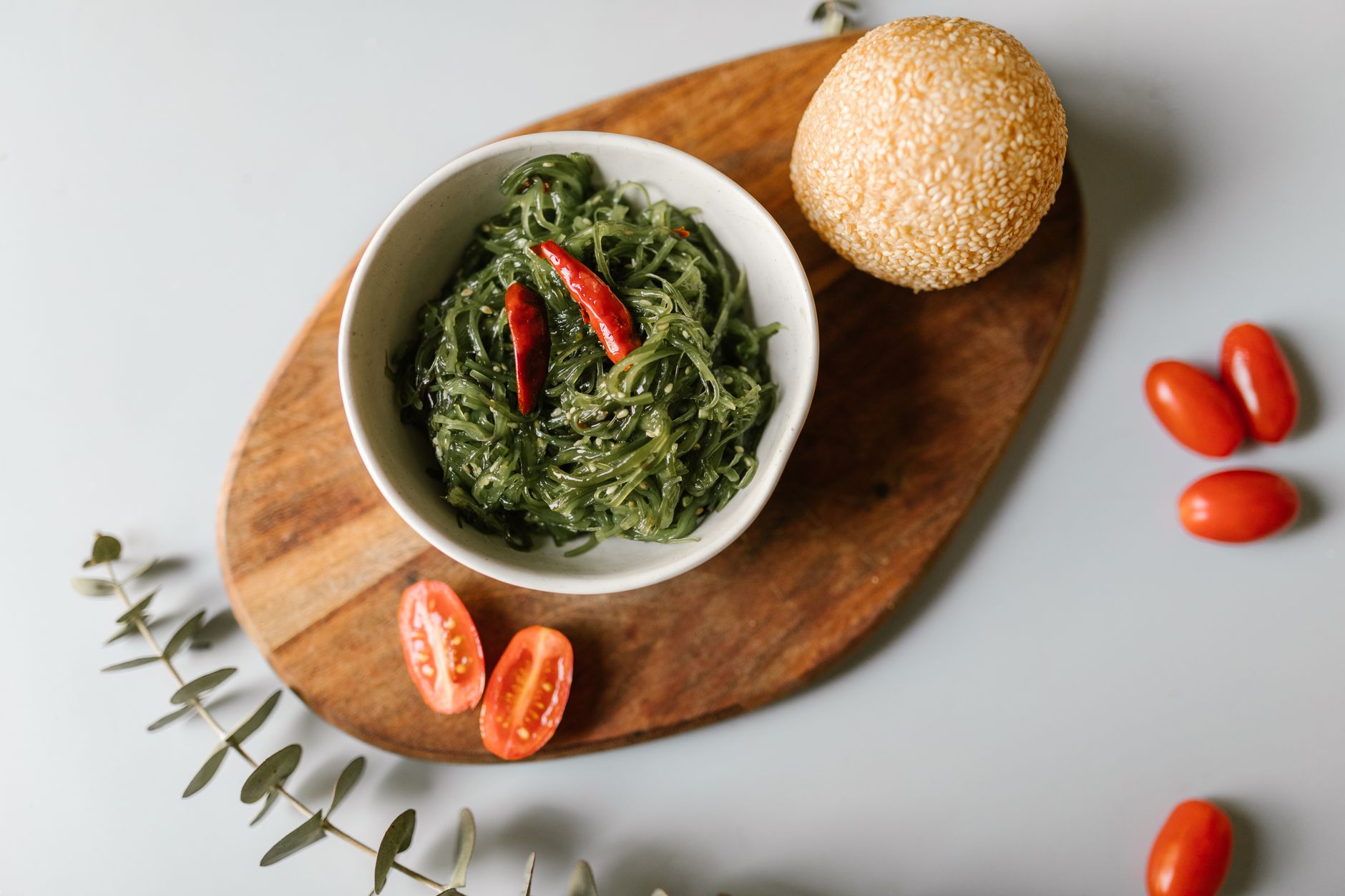
- Seaweed: Varieties such as nori, wakame, and kelp are among the richest sources of iodine. Seaweed salads or sushi are delicious ways to incorporate these into your meals.
- Shrimp: This crustacean provides a significant iodine boost and can be added to stir-fries, salads, or served as a savory dish.
Dairy Products and Iodine
Dairy products can also contribute to your iodine intake. This is primarily due to the iodine supplementation of animal feed in some regions. Options include:
- Milk: A standard glass of milk contains a good amount of iodine. You can enjoy it alone or use it in smoothies and cereals.
- Cheese: Cheddar and mozzarella are particularly high in iodine. Add them to sandwiches or salads to enhance flavor and nutrition.
- Yogurt: Both regular and Greek yogurt provide a healthy dose of iodine. Enjoy yogurt as a snack or mix it with fruits and nuts for a nutritious breakfast.
Grains and Their Iodine Content
While grains aren’t as significant sources of iodine as seafood or dairy, they can still contribute to your intake, especially when grown in iodine-rich soil.
- Whole Wheat Bread: Look for whole grain varieties which may contain more iodine. These can form the base of sandwiches or be toasted for breakfast.
- Oats: Instant oats may contain added iodine. Consider making oatmeal topped with your favorite fruits and a sprinkle of nuts.
Fruits and Vegetables with Iodine
Many fruits and vegetables contain trace amounts of iodine, although they are not the primary sources. Nevertheless, including a variety of them can help contribute to your overall intake.
- Potatoes: Specifically, potato skins hold iodine. Enjoy roasted or mashed potatoes for a comforting side dish.
- Strawberries: These fruits contain small amounts of iodine. Incorporate them into smoothies or desserts.
- Cranberries: Another fruit option that contains iodine, they can add flavor to salads and sauces.
Fortified Foods
Some foods have iodine added through fortification processes. These include:
- The Iodized Salt: This is perhaps the most well-known iodine source. Use it in day-to-day cooking in place of regular salt.
- Cereals: Many breakfast cereals are fortified with iodine. Check labels for those that provide a significant percentage of the daily value.
Daily Iodine Requirements
Iodine needs can vary depending on several factors. The recommended daily allowance (RDA) for adults is about 150 micrograms per day. Pregnant and breastfeeding women require more, with the recommendations being around 220 and 290 micrograms, respectively. Ensure you are meeting these daily requirements through dietary choices.
Cooking and Storage Tips for Iodine-Rich Foods
To maximize the iodine content in your meals, consider these cooking and storage tips:
- Cook Seafood Wisely: Avoid overcooking seafood to preserve nutrients. Steam or bake rather than fry.
- Store Seaweed Properly: Keep dried seaweed in a cool, dark place to maintain its iodine content.
- Use Iodized Salt Wisely: Consistently use iodized salt for seasoning and cooking, especially if your other iodine sources are limited.
Common Mistakes About Iodine
While trying to add iodine to your diet, beware of some common pitfalls:
- Reliance on Supplements: While iodine supplements can be helpful, they should not replace food sources unless recommended by a healthcare provider.
- Ignoring Packaging Labels: Not all food sources are created equal; check for iodine fortification, especially in processed foods.
Meal Planning with Iodine-Rich Foods
Incorporating iodine-rich foods into your meal planning can be straightforward. Here’s a simple weekly outline to bolster your iodine intake:
Sample Menu
- Breakfast: Oatmeal made with milk topped with strawberries.
- Lunch: Sushi rolls with nori, cucumber, and crab or avocado.
- Dinner: Baked cod with roasted potatoes and asparagus.
- Snack: Yogurt with mixed nuts and honey.
Exploring Regional Cuisines for Iodine
Many regional cuisines feature iodine-rich ingredients that can enhance both flavor and nutrition in your meals. Here’s a brief look at several:
- Japanese Cuisine: Seaweed is a staple in sushi and miso soup, both rich in iodine.
- Korean Cuisine: Dishes often incorporate seaweed and seafood, providing ample iodine sources such as in seaweed soup.
- Scandinavian Cuisine: Fish is prevalent in various forms, including pickled herring, which is high in iodine and flavor.
Conclusion
Understanding which foods are rich in iodine can help you maintain a balanced diet and meet your nutritional needs. Seafood, dairy, grains, and fortified foods are some of the best sources to consider. Incorporating these foods into your meals not only enhances flavor but also supports your health.
For more tips on ingredient substitutions or to learn about herring, explore our guides on rosemary substitutes and herring preparation.