
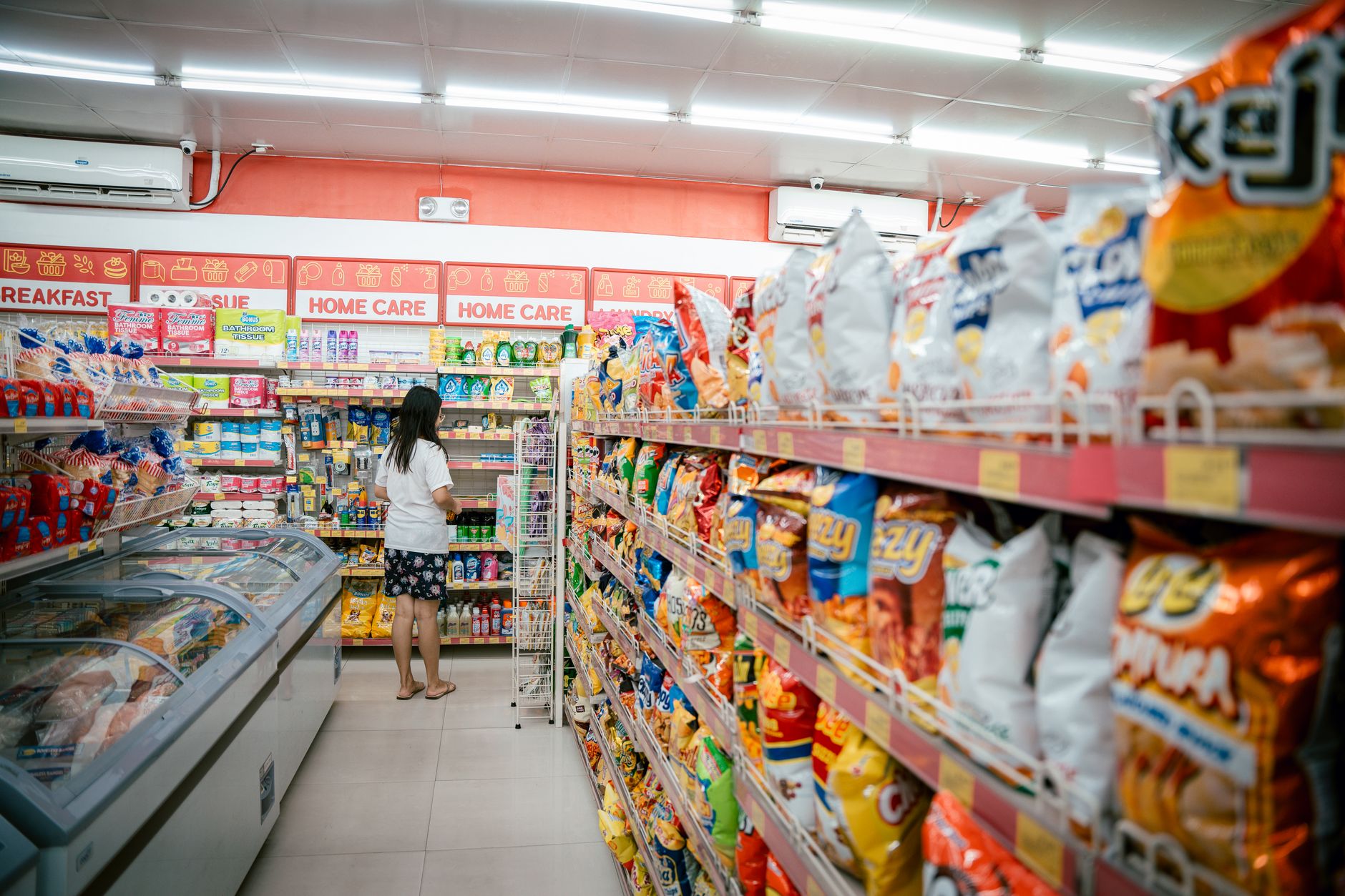
Understanding processed foods can help you make informed dietary choices. Processed foods vary widely in how they are made and the ingredients used, impacting their nutritional content. This guide explores different levels of food processing, their implications, and how to incorporate them into your meals.
From minimally processed items to heavily processed convenience foods, each type serves a unique role in our diets. Let’s dive into the world of processed foods, discovering what they are, their uses, and how to effectively include them in your meal planning.
What Foods Are Processed?
Processed foods are any food items that have been altered from their original state through methods like cooking, canning, freezing, or packaging. They range from minimally processed natural foods, such as frozen fruits and vegetables, to highly processed items, like snacks and ready-to-eat meals. Understanding the types of processed foods is key to navigating their presence in our diets.
Levels of Food Processing
1. Minimally Processed Foods
Minimally processed foods are those that have undergone minimal alteration. They retain most of their natural characteristics and nutritional value. Examples include:
- Frozen fruits and vegetables
- Pre-washed salad greens
- Roasted nuts
- Whole grains like brown rice or quinoa
These foods are typically preserved using methods such as freezing and canning, which maintain their nutrients while extending shelf life. They are convenient and generally healthy additions to any meal.
2. Processed Culinary Ingredients
Processed culinary ingredients are extracted or modified foods that serve as building blocks for home-cooked dishes. Common examples include:
- Oils (olive oil, vegetable oil)
- Sugar and syrups (honey, syrup, molasses)
- Salt and pickled foods (pickles, sauerkraut)
- Flours (wheat flour, cornstarch)
While these ingredients are processed, they are essential for cooking and baking, allowing for a variety of flavors and textures in home-cooked meals.
3. Processed Foods
This category includes foods that have been altered significantly but still contain recognizable components. Examples include:
- Canned beans and vegetables with added salt
- Pasteurized juice
- Cheese and yogurt
- Whole grain bread
These foods can be part of a healthy diet when consumed in moderation. They often enhance meals by adding flavor, convenience, and nutritional value.
4. Ultra-Processed Foods
Ultra-processed foods undergo extensive processing and often contain additives like preservatives, flavorings, and artificial colors. These include:
- Soft drinks and sweetened beverages
- Chips and snack cakes
- Instant noodles and ready-to-eat meals
- Processed meats (hot dogs, deli meats)
These foods tend to be high in sugar, salt, and unhealthy fats, contributing to health issues when consumed in excess. It is advisable to limit their intake and focus on more whole, minimally processed options.
Benefits and Uses of Processed Foods
Processed foods can offer several benefits in terms of convenience and cost-effectiveness. Here are some key advantages:
1. Convenience
Large-scale food processing allows for quicker cooking times and easier meal preparation. Ready-to-cook and pre-packaged foods save time during busy weekdays, making it easier to put together meals without extensive preparation.
2. Food Safety
Processing methods such as pasteurization and canning enhance food safety by eliminating harmful microorganisms. Foods like canned tomatoes and pickles have extended shelf lives due to these processes, reducing food waste.
3. Nutritional Preservation
While some nutrients may be lost during the processing of foods, many minimally processed items retain their essential vitamins and minerals. For example, frozen vegetables are often harvested and processed at their peak ripeness, preserving their nutritional content.
4. Affordability
Processed foods can be more affordable than fresh options, especially when fruits and vegetables are out of season. Items like canned beans, frozen berries, or pasta offer nutrient-rich options that fit within budget constraints.
Common Processed Foods and Serving Ideas
Here’s a closer look at some common processed foods, how they are made, and ideas for serving them.
Canned Vegetables
Canned vegetables are often cooked and preserved in liquid. They can be used in soups, stews, and casseroles. Look for low-sodium options to reduce salt intake.
- Serve canned corn in a salad with diced bell peppers and vinaigrette.
- Use canned black beans to create a quick taco filling by mixing with cumin, onions, and cheddar cheese.
Frozen Fruits
Frozen fruits are typically flash-frozen at their peak ripeness. They work well in smoothies, desserts, or as toppings.
- Blend frozen berries with yogurt and a banana for a nutritious smoothie.
- Use frozen mango in a fruit salsa with red onion and cilantro.
Whole Grain Bread
Whole grain bread is made from whole grains and retains more nutrients than refined bread. It serves as a base for various meals.
- Make sandwiches filled with vegetables, deli meats, or nut butter.
- Toast slices for breakfast topped with avocado and poached eggs.
Instant Oatmeal
Instant oatmeal is processed for convenience, often flavored or sweetened. Look for plain versions to control sugar intake.
- Prepare instant oatmeal with water or milk and top with fresh fruits and nuts.
- Use it as an ingredient in energy bites with nut butter and chia seeds.
Processed Meats
Processed meats are often smoked, salted, or cured for preservation. Moderation is key when consuming these products.
- Include turkey or chicken deli meat in wraps with vegetables and hummus.
- Use sliced ham in quiches or breakfast casseroles.
Choosing Processed Foods Wisely
To navigate the world of processed foods effectively, here are some strategies:
1. Read Labels
Pay attention to nutrition labels and ingredient lists. Look for options with minimal ingredients and lower levels of added sugars, sodium, and unhealthy fats. The fewer the ingredients, the better.
2. Opt for Whole Food Alternatives
When cooking, consider swapping out highly processed components for whole food alternatives. For example, use fresh fruits instead of sugary snacks or prepare your sauces rather than buying pre-made ones.
3. Limit Ultra-Processed Foods
Reduce consumption of ultra-processed foods high in additives and preservatives. Focus instead on incorporating more whole and minimally processed foods into your diet.
4. Balance and Moderation
Processed foods can fit into a healthy lifestyle when consumed in moderation. Strive for a balance between whole foods and processed options in your meals.
Storing Processed Foods
Proper storage of processed foods can help maintain their quality and safety. Here are some guidelines:
1. Canned Goods
Store canned goods in a cool, dry place. Once opened, transfer to a non-metal container and refrigerate. Most canned goods can last on the shelf for several years if unopened.
2. Frozen Foods
Keep frozen foods at a consistent temperature below 0°F (-18°C). After opening, reseal bags tightly to prevent freezer burn, and consume within a few months for the best quality.
3. Packaged Foods
Follow the expiration dates found on packaged foods. Once opened, use them within a week or as indicated on the packaging. Store them in a cool, dark place to maintain freshness.
Common Misconceptions About Processed Foods
Processed foods often face negative stigmas. However, the reality is more nuanced:
1. All Processed Foods Are Bad
Not all processed foods are unhealthy. As mentioned earlier, minimally processed options can provide convenience and essential nutrients.
2. Fresh Is Always Better
While fresh foods are advantageous, frozen and canned items can also be nutritious. In many cases, they are processed at their peak freshness, retaining more nutrients than out-of-season produce.
3. Cooking from Scratch Is Always Healthier
While cooking from scratch can be healthier, it is also time-consuming. Processed foods can save time without compromising nutrition, especially when they are whole or minimally processed.
Conclusion
Understanding what foods are processed and how to choose wisely can help you maintain a balanced diet. Embracing a mix of whole, minimally processed, and moderate amounts of more heavily processed foods can simplify meal planning and enhance the overall quality of your diet.
For more insights into ingredients and food preparation, explore our guides on ingredient substitutions and the composition of different natural sweeteners like molasses. You can check what is a good substitute for rosemary and learn what molasses is made from. Together, these resources will assist you in making more informed choices in the kitchen.