
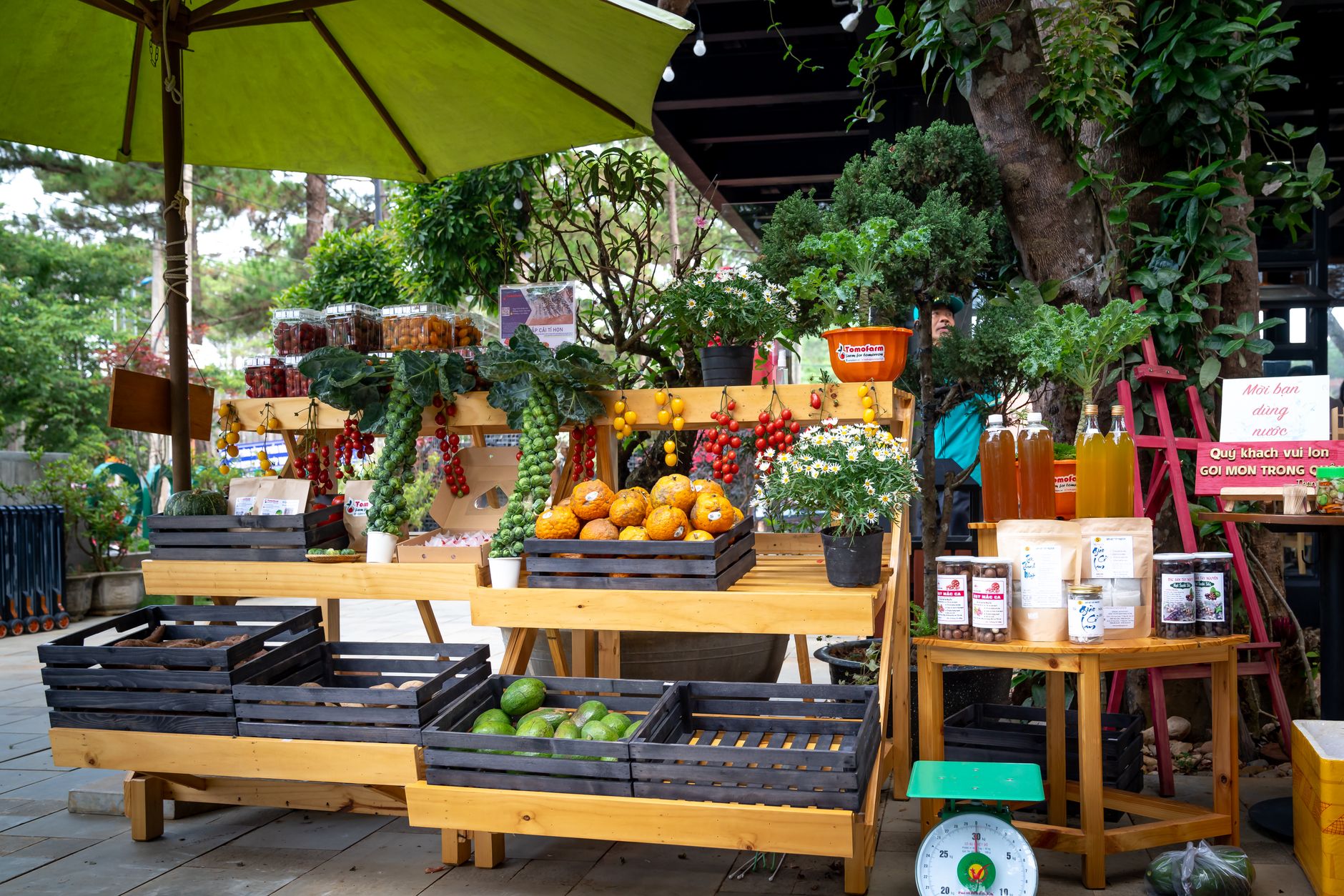
In a world where convenience often reigns supreme, many individuals are opting for unprocessed foods to enhance their diets. Unprocessed foods are fresh and not subjected to industrial processing, making them ideal for those seeking a more natural approach to eating. This article will explore various categories of unprocessed foods, their benefits, and practical uses in the kitchen.
From fruits and vegetables to whole grains and legumes, unprocessed foods offer a wealth of flavors, textures, and nutrients. Understanding what foods fall into this category can help you make thoughtful dietary choices and improve your eating habits.
What Foods Are Not Processed?
Unprocessed foods are simply defined as whole food items that haven’t been subject to any processing or refinement. Examples include fresh fruits, vegetables, whole grains, nuts, seeds, and certain animal products. These foods retain their natural flavors and nutrients, providing unadulterated sources of energy and health benefits.
Categories of Unprocessed Foods
Fruits
- Apples
- Bananas
- Blueberries
- Oranges
- Avocados
Fruits in their natural form are one of the easiest ways to incorporate unprocessed foods into your diet. They are rich in vitamins, minerals, and fiber. Choose whole fruits rather than juices for maximum health benefits.
Vegetables
- Spinach
- Carrots
- Broccoli
- Zucchini
- Bell Peppers
Fresh vegetables can be eaten raw in salads or cooked lightly to preserve their nutrients. Dark leafy greens are particularly beneficial for their high levels of iron and calcium.
Whole Grains
- Quinoa
- Brown rice
- Oats
- Barley
- Buckwheat
Whole grains are unrefined and still contain the bran, germ, and endosperm. This means they provide complex carbohydrates, fiber, and essential nutrients. They can be used in a variety of dishes such as salads, soups, and breakfasts.
Nuts and Seeds
- Almonds
- Walnuts
- Chia seeds
- Flaxseeds
- Pumpkin seeds
Nuts and seeds provide healthy fats, protein, and fiber. They can be used in baking, sprinkled on salads, or consumed as snacks.
Legumes
- Lentils
- Chickpeas
- Black beans
- Kidney beans
- Pinto beans
Legumes are an excellent source of protein and are high in fiber. They can enhance soups, salads, and grain bowls while being a fulfilling meat alternative.
Animal Products
- Fresh eggs
- Unprocessed meat (chicken, beef, pork)
- Fish (salmon, tilapia)
Animal products can include fresh eggs, meat, and fish that have not been cured, smoked, or heavily processed. They provide high-quality protein and essential nutrients like omega-3 fatty acids found in fish.
Benefits of Unprocessed Foods
The switch to unprocessed foods can result in numerous health benefits. These foods are often richer in vitamins and minerals while containing fewer additives, preservatives, and unhealthy fats. Examples of potential benefits include:
- Improved Digestive Health: High fiber content in fruits, vegetables, and whole grains promotes gut health.
- Weight Management: Unprocessed foods tend to be low in calories yet high in nutrition, making them satiating.
- Enhanced Energy Levels: Whole foods provide steady energy without the sugar spikes associated with processed foods.
- Reduced Risk of Chronic Diseases: Diets rich in unprocessed foods can lower the risk of conditions such as heart disease and diabetes.
Practical Kitchen Uses for Unprocessed Foods
Meal Prep Ideas
Incorporating unprocessed foods into your meal prep can simplify your cooking routine and enhance your overall nutrition. Here are strategies to utilize unprocessed foods effectively:
- Batch Cooking: Prepare large quantities of unprocessed foods like grains and legumes to use throughout the week.
- Mix-and-Match Bowls: Create meal bowls with a variety of unprocessed ingredients, such as quinoa, roasted vegetables, nuts, and a protein source.
- Salads: Make fresh salads using a mix of vegetables, fruits, nuts, and whole grains for quick, nutritious meals.
Storage Tips
Proper storage is essential to maintain the quality of unprocessed foods.
- Fruits and Vegetables: Store in the refrigerator to keep fresh. Some vegetables can be stored in a cool, dark place.
- Whole Grains: Keep in airtight containers in a cool, dry place to prevent spoilage.
- Nuts and Seeds: Store in the refrigerator or freezer to increase shelf life and prevent rancidity.
Common Mistakes to Avoid with Unprocessed Foods
Making the switch to unprocessed foods can come with challenges. Here are some common pitfalls to avoid:
- Skipping Variety: Eating the same unprocessed foods repeatedly can lead to nutrient deficiencies. Aim for a colorful plate.
- Neglecting Preparation: Unprocessed foods often require proper cooking techniques. Learn how to prepare grains and legumes to maximize their benefits.
- Overlooking Labels: Some products marketed as health foods can still contain additives. Always check ingredient lists.
Practical Substitutions
If you’re used to consuming processed foods, here are some easy swaps you can make:
- Instead of white rice, try brown rice or quinoa.
- Replace white bread with whole grain or sprouted bread.
- Swap sugary snacks for fresh fruit or raw nuts.
Incorporating Unprocessed Foods into Your Diet
Transitioning to a diet filled with unprocessed foods may feel overwhelming at first, but starting small can lead to lasting changes. Here’s how to successfully integrate these foods into your routine:
- Start with Breakfast: Use whole grains like oats or brown rice for a nutritious start to your day.
- Embrace Lost Nutrients: Focus on the nutrients offered by unprocessed foods by increasing your consumption of vegetables and fruits at every meal.
- Experiment with Recipes: Find simple recipes that highlight unprocessed ingredients you enjoy. Dishes like smoothies, salads, and grain bowls can showcase their natural flavors.
Simple Recipe: Quinoa Salad with Fresh Vegetables
This recipe showcases the natural flavors of unprocessed ingredients while being a quick and nutritious meal option.
Yield: 4 servings | Total Time: 25 minutes
Ingredients
- 1 cup quinoa, rinsed
- 2 cups water
- 1 cup cherry tomatoes, halved
- 1 bell pepper, diced
- 1 cucumber, diced
- 1/4 cup fresh parsley, chopped
- Juice of 1 lemon
- 2 tbsp olive oil
- Salt and pepper to taste
Essential Equipment
- Medium pot
- Mixing bowl
- Whisk
- Measuring cups and spoons
Method
- In a medium pot, bring the water to a boil. Add the quinoa and a pinch of salt, then reduce heat to low. Cover and simmer for 15 minutes or until the water is absorbed.
- Remove quinoa from heat and let it sit covered for 5 minutes. Fluff with a fork.
- In a mixing bowl, combine the cherry tomatoes, bell pepper, cucumber, and parsley.
- In a small bowl, whisk together the lemon juice, olive oil, salt, and pepper.
- Add the cooked quinoa to the vegetable mixture. Drizzle with dressing and toss to combine.
- Serve chilled or at room temperature.
This quinoa salad is customizable; feel free to replace or add any of your favorite unprocessed vegetables.
Summary
Embracing unprocessed foods can dramatically improve your overall health and well-being. By incorporating fresh fruits and vegetables, whole grains, and clean sources of protein, you can enjoy a vibrant and satisfying diet. Start small, explore new recipes, and make these foods a central part of your meals.
For more information on unprocessed foods, you may find it useful to check out guides on sourdough methods at What is Sourdough? or try your hand at making hummus without tahini for a delicious and healthy dip option.