
Managing blood pressure can often be influenced by dietary choices, making it essential to know which foods help in maintaining healthy levels. By incorporating specific items rich in vital nutrients, you can support your overall heart health and blood pressure. In this article, we’ll explore various foods beneficial for blood pressure, easy ways to include them in your diet, and helpful portion suggestions.
From fruits and vegetables to whole grains and lean proteins, eating a balanced diet has a significant impact on blood pressure regulation. Understanding how these foods work and how you can prepare them can empower you to make better food choices that align with your health goals.
What Foods Are Good for Blood Pressure?
Foods that are good for blood pressure are typically low in sodium, rich in potassium, magnesium, and fiber, and include a variety of vitamins and minerals. Some of the best food groups to consider include:
- Fruits
- Vegetables
- Whole grains
- Lean proteins
- Nuts and seeds
- Fatty fish
Fruits to Help Control Blood Pressure
Fruits vary significantly in their health benefits, but several stand out when it comes to managing blood pressure.
Bananas
Bananas are rich in potassium, a mineral known to help control blood pressure by balancing sodium levels in the body. One medium banana holds around 422 mg of potassium.
Berries
Blueberries, strawberries, and raspberries provide antioxidants and compounds called flavonoids. These compounds have been linked with lower blood pressure levels. A serving of berries typically equals around 1 cup of fresh fruit.
Oranges
Oranges are not only refreshing but also a source of vitamin C and potassium. One medium orange contains about 237 mg of potassium.
Watermelon
This hydrating fruit contains an amino acid called citrulline, which can help improve blood circulation and lower blood pressure. Aim for 1-2 cups of watermelon slices per serving.
Vegetables That Promote Healthy Blood Pressure
Vegetables are essential for lowering blood pressure. Here are some key players:
Leafy Greens
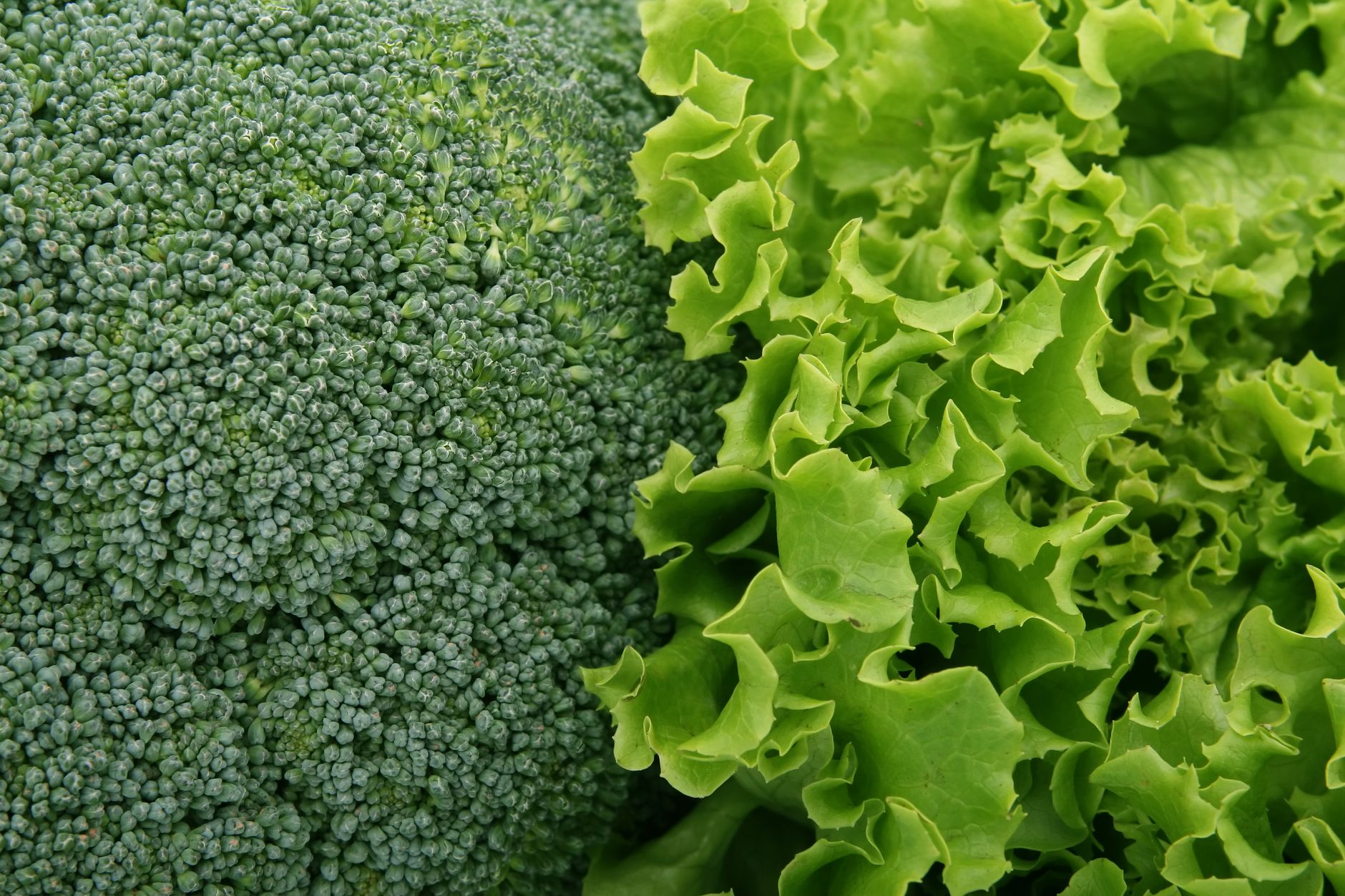
Spinach, kale, and Swiss chard are excellent sources of potassium, magnesium, and nitrates, all of which contribute to lower blood pressure. Incorporate at least 1-2 cups of leafy greens into your daily meals.
Beets
Beets are high in nitric oxide, which can help expand blood vessels and improve blood flow. Drinking beet juice or roasting whole beets can be beneficial, with one cup of cooked beets providing around 442 mg of potassium.
Garlic
Garlic can enhance nitric oxide levels and provide a host of cardiovascular benefits. Fresh garlic is most potent; one clove per day can contribute positively to your diet.
Whole Grains for Blood Pressure Control
Whole grains are a staple of any healthy diet, and they also play a role in managing blood pressure.
Oats
Oats contain beta-glucans, which can help lower cholesterol levels and reduce blood pressure. A serving consists of about 1 cup of cooked oats, which provides fiber and other essential nutrients.
Quinoa
Quinoa is a complete protein source rich in magnesium, making it a delightful choice for your main meals. A typical serving size is about 1 cup cooked, which offers 118 mg of magnesium.
Brown Rice
Brown rice is a good source of potassium and fiber, promoting overall heart health. A serving size of 1 cup cooked provides around 84 mg of potassium.
Lean Proteins That Support Blood Pressure Management
Incorporating lean proteins can help reduce cholesterol and maintain a healthy weight, contributing to overall cardiovascular health.
Skinless Poultry
Skinless chicken or turkey provides high-quality protein without excessive saturated fats. A typical serving of 3-4 ounces is an appropriate portion.
Legumes
Beans, lentils, and chickpeas are excellent sources of protein and fiber, making them great for blood pressure management. A standard serving size is around 1 cup of cooked legumes.
Fatty Fish
Fish like salmon, mackerel, and sardines are loaded with omega-3 fatty acids, which are known for lowering blood pressure and improving heart health. A serving of fatty fish is usually 3-4 ounces.
Nuts and Seeds for Blood Pressure Health
Nuts and seeds are nutrient-dense and can help improve heart health when consumed in moderation.
Almonds
Almonds provide healthy fats, magnesium, and fiber, all of which can contribute to heart health. A handful, or about 1 ounce (23 almonds), is a healthy snack.
Chia Seeds
Chia seeds are packed with omega-3 fatty acids, fiber, and protein. A serving size is approximately 2 tablespoons, which can be easily added to smoothies, salads, or yogurt.
Flaxseeds
Flaxseeds are a good source of lignans and omega-3 fatty acids. Ground flaxseeds can be added to smoothies or used in baking, with a common serving size of 1 tablespoon.
Meal Planning Tips for Blood Pressure Control
Implementing these foods into your diet can be straightforward with some meal planning. Here are practical tips:
Create Balanced Meals
Try to create meals that include a variety of the foods mentioned. For instance, a lunch could consist of a spinach salad topped with grilled chicken, berries, and walnuts.
Portions Matter
Be mindful of portion sizes when preparing meals. Ensure you have a balanced plate, with half vegetables, a quarter protein, and a quarter whole grains.
Snack Wisely
Choose healthy snacks that incorporate fruits, nuts, and seeds. For example, a banana with a tablespoon of almond butter is a nutritious on-the-go snack.
Practical Cooking Techniques for Blood Pressure-Friendly Meals
The way you prepare your food can also impact its healthfulness. Here are some cooking techniques to consider:
Steaming
Steaming vegetables helps retain their nutrients compared to boiling. Aim to steam leafy greens and cruciferous vegetables for vibrant flavors and textures.
Grilling or Baking
Grilling or baking protein sources can reduce the need for added fats compared to frying. This method enhances flavors while keeping meals calorie-conscious.
Spices and Herbs
Using spices and herbs can add flavor without extra sodium, which is crucial for managing blood pressure. Try garlic, basil, rosemary, and dill to invigorate your dishes.
Common Dietary Mistakes and How to Avoid Them
When adjusting your diet to improve blood pressure, it’s easy to fall into common pitfalls. Here’s how to avoid them:
Skipping Breakfast
Skipping meals, especially breakfast, can lead to unhealthy snacking later in the day. Ensure you start your day with a nutritious meal that includes whole grains, fruits, and proteins.
Underestimating Portion Sizes
It’s important to be conscious of portion sizes. Use measuring cups or a kitchen scale to ensure you’re serving appropriate amounts of grains, proteins, and fats.
Choosing Processed Foods
Limit the intake of processed foods, which are often high in sodium and unhealthy fats. Focus on whole, unprocessed foods to keep your diet heart-healthy.
Storage and Preparation Tips for Fresh Ingredients
Keeping your ingredients fresh and enjoyable is key to sticking to your blood pressure-friendly diet.
Store Fruits and Vegetables Properly
Fruits like bananas should be stored at room temperature, while many vegetables do best in the fridge. Make sure to wash them before use to enhance freshness.
Pre-Prep Your Meals
Preparing meals in advance can save time during weekdays. Wash and chop vegetables or cook grains ahead of time to streamline your cooking process.
Incorporate Leftovers Wisely
Make use of leftovers in creative ways, such as adding them to soups, salads, or wraps, which can help minimize food waste and maintain an interesting meal rotation.
Managing blood pressure through diet is an achievable goal by focusing on nutritious, whole foods. Incorporating fruits, vegetables, whole grains, lean proteins, and healthy fats will not only support heart health but also lead to vibrant and flavorful meals.
Begin exploring these heart-healthy options in your meals today, and consider experimenting with a delicious chia pudding recipe or learn more about the benefits of chia seeds. These simple steps can lead to beneficial changes in your overall health.