
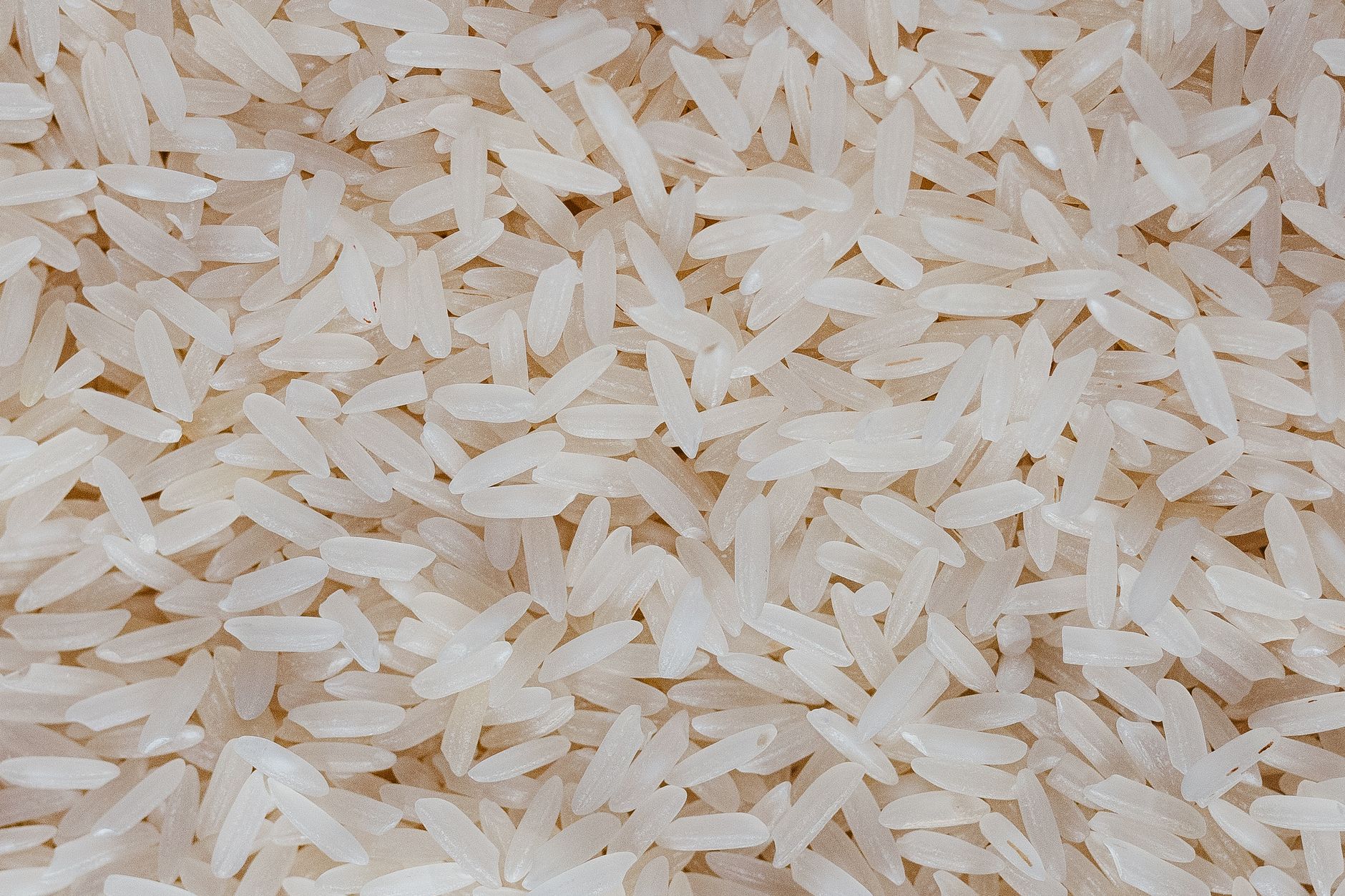
Parboiled rice is a type of rice that has undergone a specific processing method to enhance its nutritional value, flavor, and cooking qualities. This technique involves partially boiling the rice in its husk, allowing it to absorb some nutrients from the bran layer. Understanding the meaning, benefits, and uses of parboiled rice can help you make informed culinary choices.
In this article, we will explore the origins of parboiled rice, its preparation methods, nutritional advantages, and how it differs from other rice varieties. Whether you’re looking to incorporate it into your meals or simply wish to expand your culinary knowledge, this guide offers valuable insights.
What Does Parboiled Rice Mean?
Parboiled rice, sometimes referred to as converted rice, is rice that has been partially cooked in its husk. This process causes some of the nutrients from the husk and bran to move into the starchy endosperm, making the rice more nutritious. The texture becomes firmer and less sticky compared to regular white rice, and it’s often preferred for dishes where individual grains need to remain separate.
History and Origins of Parboiled Rice
The technique of parboiling rice has ancient roots, particularly in regions of Asia and Africa. It is believed that the method was developed as a preservation technique, as parboiling makes rice less prone to spoilage. Historically, parboiled rice was a staple food in many cultures, particularly in areas where rice was a major crop.
The process of parboiling allows for rice to be stored for longer periods without losing nutritional quality. Over time, the practice evolved, and parboiled rice became popular due to its enhanced cooking properties and nutritional benefits. Today, it is widely used in various cuisines around the world, including Indian, Nigerian, and Thai cooking.
Understanding the Parboiling Process
The parboiling process involves three main steps: soaking, steaming, and drying. Here’s a detailed overview of each stage:
- Soaking: The rice is soaked in water to soften the grains. This initial soaking can take several hours, depending on the type of rice and the desired end texture.
- Steaming: After soaking, the rice is steamed while still in its husk. This step allows the heat to penetrate the grains, causing the starches to gelatinize and some nutrients to migrate from the bran layer into the endosperm.
- Drying: Finally, the rice is dried to remove excess moisture. This makes the rice easy to store and prepares it for cooking.
Overall, this meticulous process not only enhances the rice’s nutritional profile but also gives it a unique texture that appeals to many chefs and home cooks.
Nutritional Benefits of Parboiled Rice
One of the significant advantages of parboiled rice is its improved nutritional content compared to regular white rice. During the parboiling process, essential vitamins and minerals are absorbed into the rice. Here are some key nutritional benefits:
- Higher Fiber Content: Parboiled rice retains more fiber from the bran layer, making it a healthier option for those looking to increase their dietary fiber intake.
- Enhanced Vitamins: The steaming process helps to retain more of the B vitamins, such as niacin and thiamine, essential for energy metabolism.
- Lower Glycemic Index: Parboiled rice typically has a lower glycemic index compared to white rice, which means it may result in a slower rise in blood sugar levels.
Cooking with Parboiled Rice
When it comes to cooking parboiled rice, the method is similar to that of other rice varieties, but it’s essential to keep a few things in mind for best results. Here’s a guide to cooking parboiled rice properly:
Ingredients Needed
- 1 cup of parboiled rice
- 2 cups of water or broth
- Salt (optional, to taste)
Essential Equipment
- A medium-sized pot with a lid
- A measuring cup
- A fork for fluffing the rice
Step-by-Step Cooking Method
- Measure the rice: Use 1 cup of parboiled rice to get about 3 cups of cooked rice.
- Rinse the rice: Rinse the rice under cold water until the water runs clear to remove excess starch and impurities.
- Boil water: In a pot, bring 2 cups of water or broth to a rolling boil. Add a pinch of salt if desired.
- Add rice: Once the water is boiling, add the rinsed parboiled rice to the pot. Stir to ensure the rice is submerged.
- Reduce heat: Lower the heat to a simmer and cover the pot with the lid.
- Cook: Let the rice simmer for about 20-25 minutes or until the liquid is absorbed. Avoid removing the lid during cooking, as this releases steam.
- Fluff and serve: Once the cooking time is complete, remove the pot from heat and let it sit for 5-10 minutes before fluffing the rice with a fork and serving.
Flavor and Texture Profile of Parboiled Rice
Parboiled rice has a unique flavor and texture that sets it apart from other rice types. It tends to have a slightly nutty taste, thanks to the retention of more nutrients during processing. The texture is firm and fluffy, and individual grains remain separate when cooked correctly, making it a preferred choice for pilafs, biryanis, and other mixed dishes.
Common Uses and Regional Dishes
Parboiled rice is versatile and can be used in a variety of dishes across different cuisines. Here are some common uses and popular dishes that feature parboiled rice:
1. Indian Cuisine
In Indian cuisine, parboiled rice is often used in biryanis, where the firmer texture allows the rice to hold its shape amidst spices and meats. It’s also commonly used in various savory rice dishes and to serve alongside curries.
2. Nigerian Jollof Rice
Jollof rice, a beloved West African dish, often utilizes parboiled rice for its ability to absorb spices and flavors without becoming mushy. The vibrant mix of tomatoes, onions, and peppers pairs beautifully with parboiled rice.
3. Thai Jasmine Rice Dishes
While jasmine rice is the preferred choice in many Thai recipes, parboiled rice can still be used in Thai curries and stir-fries, providing a sturdy base that complements rich sauces.
Parboiled Rice vs. Other Rice Varieties
It’s essential to distinguish parboiled rice from other popular rice types, such as white rice, brown rice, and wild rice. Here’s a comparison to highlight the differences:
| Rice Type | Nutritional Content | Cooking Time | Texture |
|---|---|---|---|
| Parboiled Rice | Higher fiber and nutrients | 20-25 minutes | Fluffy, separate grains |
| White Rice | Lower fiber, enriched | 15-20 minutes | Soft, sticky |
| Brown Rice | High fiber, nutrients retained | 40-50 minutes | Chewy, nutty |
| Wild Rice | High protein and fiber | 45-60 minutes | Chewy, earthy |
Storage and Shelf Life of Parboiled Rice
Proper storing is essential for maintaining the quality of parboiled rice. Here’s how to store it correctly:
Uncooked Parboiled Rice
- Store in a cool, dry place in an airtight container to protect against moisture and pests.
- When stored correctly, uncooked parboiled rice can last indefinitely, although it’s best used within two years for optimal flavor.
Cooked Parboiled Rice
- Store any leftover cooked rice in an airtight container in the refrigerator.
- Cooked parboiled rice is best consumed within 3-4 days but can be frozen for up to six months for longer storage.
Common Mistakes to Avoid When Cooking Parboiled Rice
Cooking parboiled rice may seem straightforward, but there are some common pitfalls that you should avoid to ensure the best results:
- Skipping the rinsing step: Always rinse the rice before cooking to remove excess starch and impurities.
- Using incorrect water ratios: Use a 1:2 rice-to-water ratio for best results; too much water can lead to mushiness.
- Lifting the lid too soon: Avoid removing the lid during cooking, as this releases steam crucial for proper cooking.
- Not letting it rest: Allowing the rice to sit after cooking helps it firm up and makes it easier to fluff.
Practical Substitutions for Parboiled Rice
If you find yourself out of parboiled rice or want to try something different, here are some potential substitutions and considerations:
- Brown Rice: A healthier alternative with more fiber, but requires a longer cooking time (40-50 minutes).
- White Rice: Offers a softer texture and quicker cooking time (15-20 minutes), but has a lower nutritional profile.
- Quinoa: A high-protein option that cooks in about 15 minutes, offering a different flavor and texture profile.
When using substitutions, be aware of how the texture and cooking time may change the final dish. Adjust water ratios and cooking times accordingly to achieve optimal results.
Where to Buy Parboiled Rice
Parboiled rice can be found in most grocery stores, often located in the rice or grain aisle. It is available in various package sizes, as well as in bulk. When purchasing parboiled rice, look for reputable brands to ensure quality, and consider organic options if desired.
Frequently Asked Questions
Can I use parboiled rice for sushi?
Parboiled rice is not recommended for sushi as it does not have the sticky texture required for forming sushi rolls. Instead, use short-grain or sushi rice specifically designed for that purpose.
Is parboiled rice gluten-free?
Yes, parboiled rice is naturally gluten-free, making it a suitable choice for those with gluten intolerances or preferences.
How does parboiled rice compare in price to other rice types?
Generally, parboiled rice may be slightly more expensive than white rice but often cheaper than specialty varieties like organic or heirloom rice. It remains an economical choice while providing enhanced nutritional benefits.
In summary, understanding what parboiled rice means and how it fits into your meals can elevate your cooking experience. Its unique characteristics make it a beneficial addition to a variety of dishes. Whether you choose to try it in Indian biryanis, Nigerian jollof rice, or simply serve it as a side, parboiled rice is a versatile staple worth exploring. Consider trying this nutritional powerhouse in your next meal!
If you’re interested in exploring delicious uses for rice, check out our recipes for rice pudding or a flavorful Puerto Rican rice recipe.