
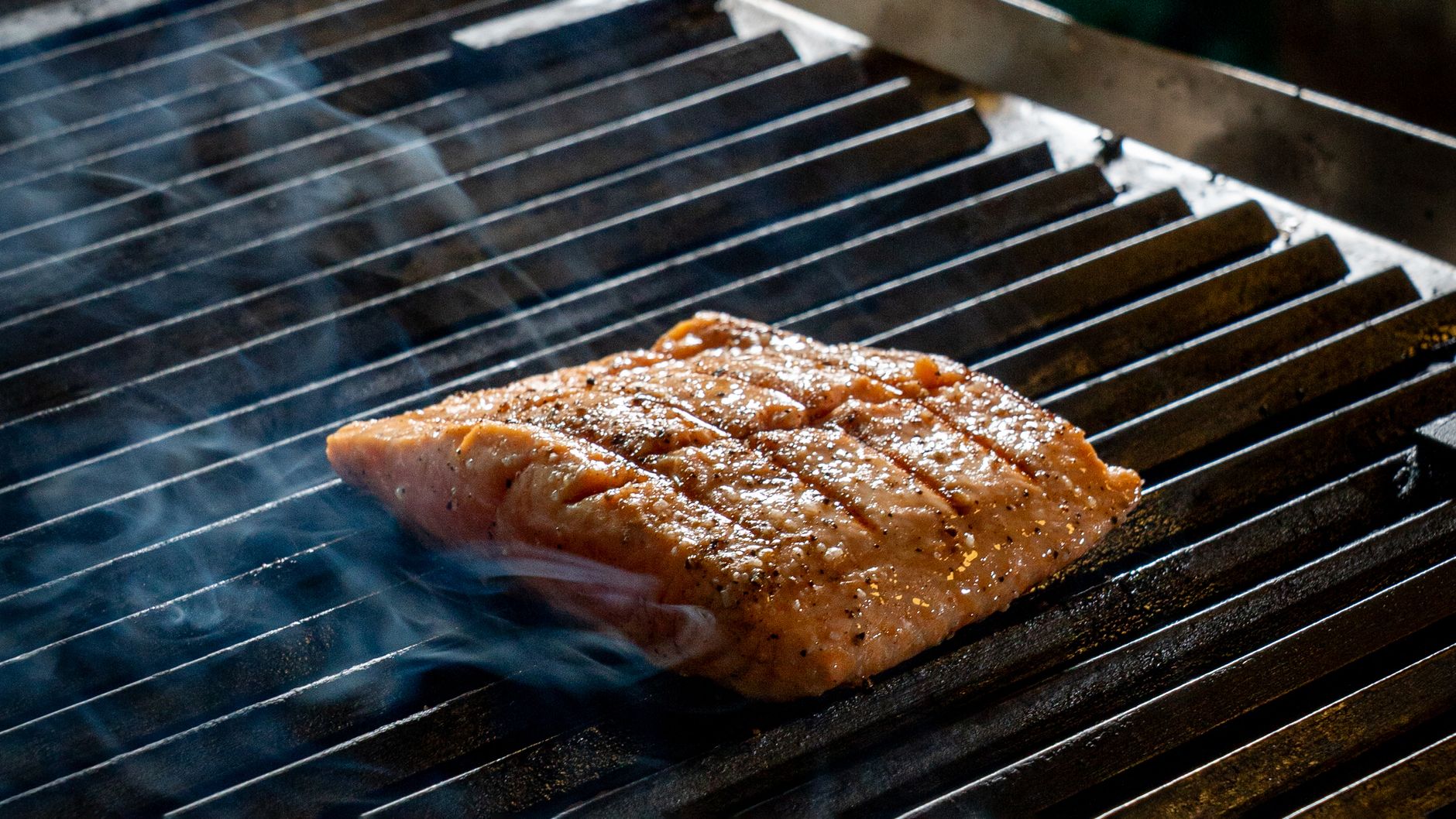
Salmon is a beloved fish known for its rich flavor and delicate texture, making it a popular choice for home cooks and professional chefs alike. However, cooking salmon can be a challenge, as overcooking it can lead to an unappetizing meal. Knowing what overcooked salmon looks like can help you avoid this common cooking pitfall.
In this article, we’ll discuss the visual cues and texture changes of overcooked salmon, how to properly cook it, and what to do with salmon that may have reached that unwanted stage. With the right approach, you can ensure your salmon dishes are always delicious and enjoyable.
What Does Overcooked Salmon Look Like?
Overcooked salmon often exhibits a dry, flaky texture and appears visibly dull or grey instead of having a vibrant pinkish-orange hue. The flesh may separate easily into large flakes rather than remain moist and tender. Additionally, overcooked salmon loses its silky sheen, and the color may shift toward a paler shade.
To best understand these characteristics, it helps to know how salmon should look when cooked correctly. When perfectly cooked, salmon should be opaque yet slightly translucent at the center, with a moist, tender texture. It should also flake easily with a fork while retaining some juiciness.
Signs of Overcooked Salmon
Identifying overcooked salmon involves examining its appearance, texture, and aroma. Here are some common signs that your salmon might be overcooked:
- Dry Appearance: Overcooked salmon often looks dry and lacks any glossy sheen.
- Flaky Texture: The flesh flakes apart easily, but is dry to the touch.
- Color Changes: The vibrant pinkish-orange color fades to a dull grey, potentially indicating a loss of moisture.
- Strong Odor: The fish may give off a strong, unappealing fishy smell, which is a sign of deterioration.
Visual Cues to Watch For
When cooking salmon, keep an eye out for specific visual cues. Under-cooked salmon appears slightly translucent at the center, deep pink in color, and can be easily pressed with a finger without breaking apart. In contrast, overcooked salmon will show a clear shift in color and texture.
Texture Changes
Texture can be the most telling sign of overcooked salmon. The fish should feel moist and slightly firm, but with a gentle flakiness. Overcooked salmon will feel dry and may become paste-like in texture, losing its tender, buttery quality.
How to Properly Cook Salmon
Understanding the correct cooking technique is essential for achieving perfectly cooked salmon. Below are effective methods for cooking salmon along with tips to avoid overcooking.
Cooking Methods
- Grilling: Preheat the grill and cook salmon for about 4-6 minutes per side, depending on thickness.
- Oven Baking: Bake salmon at 375°F (190°C) for 12-15 minutes. Use a food thermometer to ensure the internal temperature reaches 125°F (51°C) for medium-rare.
- Pan-Seering: Cook in a skillet over medium heat, about 4-6 minutes per side, ensuring the skin is crispy without burning.
- Poaching: Gently cook salmon in simmering water or broth for about 10-15 minutes, keeping the temperature low to avoid boiling.
Essential Cooking Tips
To help ensure your salmon is properly cooked, follow these tips:
- Always use a reliable cooking thermometer to check the internal temperature. For best results, aim for 125°F (51°C) for medium-rare or 135°F (57°C) for medium.
- Allow the salmon to rest after cooking for about 5 minutes. This helps redistribute the moisture within the fish.
- Consider brining your salmon before cooking to improve moisture retention.
- Watch the cooking process closely, as salmon can quickly go from perfectly cooked to overcooked.
Common Mistakes When Cooking Salmon
Understanding the common pitfalls can help you cook salmon correctly every time.
- Cooking at Too High Temperatures: High heat can lead to overcooked edges while the center remains undercooked. Use moderate heat for more even cooking.
- Not Using a Thermometer: Trusting visual cues alone can be misleading. A thermometer provides the best accuracy.
- Overcooking for Just a Few Minutes: Salmon can go from perfect to overcooked in seconds. It’s better to check too early than too late.
What to Do with Overcooked Salmon
Even with the best intentions, you may end up with overcooked salmon. If this happens, don’t fret; there are ways to salvage the dish.
Salvaging Techniques
- Flake and Mix: Use flaked overcooked salmon in salads, pasta, or sushi rolls, which can help mask the dryness.
- Make Salmon Cakes: Combine with breadcrumbs, eggs, and spices to form patties, then pan-fry for delicious salmon cakes.
- Add Sauce: Serve with a rich sauce or topping like a creamy dill sauce or salsa verde to help add moisture and flavor.
Storage and Reheating Guidance for Salmon
Proper storage is crucial for maintaining the quality of cooked salmon. Here’s how to store and reheat it safely:
How to Store Cooked Salmon
Once your salmon is cooked, let it cool to room temperature and then wrap it tightly in plastic wrap or aluminum foil. Store it in an airtight container in the refrigerator. Cooked salmon can be safely stored in the fridge for up to 3 days.
How to Reheat Salmon
When reheating salmon, be mindful not to overcook it again. Here are some tips:
- Use the oven: Preheat to 275°F (135°C), place salmon on a baking sheet, and heat for about 15 minutes.
- Use the microwave: Heat on a low power setting in short bursts, checking frequently to avoid drying out.
- Use a skillet: Add a splash of broth or water, cover, and heat over low on the stovetop, checking often.
Variations of Salmon and Their Cooking Needs
Different types of salmon require slightly different cooking methods due to variations in fat content and thickness. Here’s a quick comparison:
| Type of Salmon | Main Characteristics | Recommended Cooking Time |
|---|---|---|
| King Salmon | High-fat content, rich flavor | 4-6 minutes per side |
| Sockeye Salmon | Deep red color, robust flavor | 3-5 minutes per side |
| Coho Salmon | Medium-fat content, mild flavor | 4-5 minutes per side |
| Pink Salmon | Lower fat, lighter flavor | 3-4 minutes per side |
Conclusion
Recognizing what overcooked salmon looks like is essential for any cooking enthusiast who wants to elevate their culinary skills. By understanding the signs of overcooking and learning proper cooking methods, you can ensure that your salmon remains moist and flavorful. If you happen to end up with overcooked salmon, remember that you can still salvage it in various ways.
For more cooking tips and ingredient guides, explore topics like how to tell if salmon is bad or cooking techniques for tilapia. Enjoy your journey in the kitchen!